Separate the devices before discussing a lot
Start with the register’s own device identifiers: tag, panel or lineup reference, manufacturer and model if recorded, and quantity tied to each entry. If several breakers share a description but have different tags or locations, list them separately until records establish they are interchangeable; do not infer interchangeability from appearance. Retain source references such as the asset schedule or existing maintenance record, and note whether a quantity is counted, estimated or simply copied from a document. This lets a buyer assess a mixed lot without concealing uncertainty or overstating the number of identifiable devices.
Keep every voltage class explicit
For each breaker, transcribe only ratings supported by existing records or an exterior nameplate safely visible from an authorized position. Keep nominal system voltage separate from assembly voltage and from any device voltage marking; record continuous-current, frame, trip and interrupting ratings as separate fields when documented. A value missing from the register should remain “unknown,” not be supplied from a neighboring device, family resemblance or assumptions about the electrical system. The buyer considers equipment across all voltage classes, but that does not establish a device’s application, suitability or compatibility with a particular assembly.
Make mixed-rating entries readable
A useful inventory uses one row per distinct device identity or clearly supported group, with quantity, location reference, recorded ratings and evidence source. For example, list a group with a documented voltage class separately from breakers whose class is not recorded; do not roll both into a single total that implies one rating. Preserve the original wording if a source uses an ambiguous label, and flag conflicts between records rather than choosing one value. These distinctions help frame a purchase assessment while leaving disputed, illegible or absent information open for review rather than turning an estimate into a representation.
Set boundaries around condition and exclusions
Existing records may identify whether breakers are listed as installed, spare, removed, obsolete, or associated with a decommissioned asset, but a record is not proof of present condition. Share relevant inventory extracts or available documentation; seller testing is not required, and no testing, measuring, staging or fabrication is needed to request an assessment. Identify items not offered, disputed ownership, or devices whose identity cannot be distinguished, so they are not assumed to be part of an agreed lot. An offer is individually assessed, and an inquiry does not commit the buyer to accept any particular breaker.
Share exterior information without unsafe access
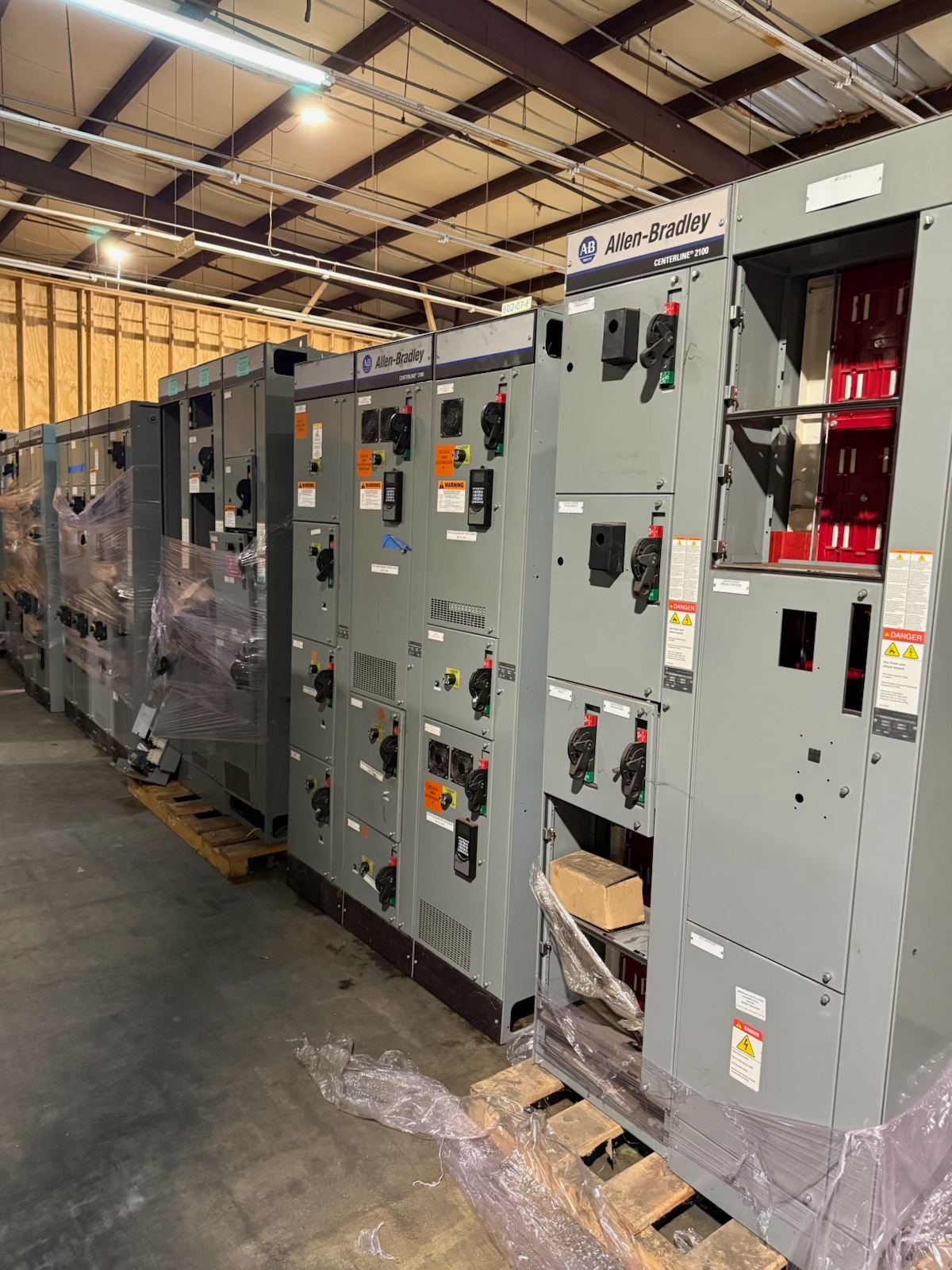
If photographs would clarify an entry, provide only images of safely accessible equipment exteriors or exterior labels and nameplates, taken from site-authorized safe positions. Do not open a cabinet, remove a cover, reach inside or approach equipment to get a better view. Never approach, touch, open, operate, test, disconnect, remove or move equipment that is energized or potentially energized. Any electrical work or access involving electrical equipment must be performed only by qualified, authorized personnel under site rules. If safe exterior documentation is unavailable, leave the rating or identity unknown and rely on existing records.
Agree on scope and removal responsibilities
For an agreed purchase, the buyer covers necessary crane, rigging, disconnects, loading, freight and hauling as agreed for that purchase; the seller does not hire or pay a removal crew. Confirm the included breaker identities, quantities, site access conditions, responsibilities and schedule before work is arranged. Electrical disconnects and related electrical work are for qualified, authorized personnel under site rules, not an invitation for unqualified staff to prepare equipment. The purchase scope does not include unrelated demolition or hazardous-material remediation. Whether a specific lot can be purchased depends on its individual assessment and agreed logistics.
Request a review without promising an outcome
Send the separated inventory, relevant existing records and any safe exterior photographs through an agreed contact process. The buyer makes cash offers and pays upfront for purchases accepted by agreement; do not treat an initial review as a guaranteed offer, acceptance or pickup date. Each offer and acceptance is assessed individually, with no price or timing guarantee. The same inventory approach can help with surplus equipment from a data center or a shut-down power plant, although each lot still needs individual review. Keep unknown ratings and quantities visible until the parties agree on the actual scope.