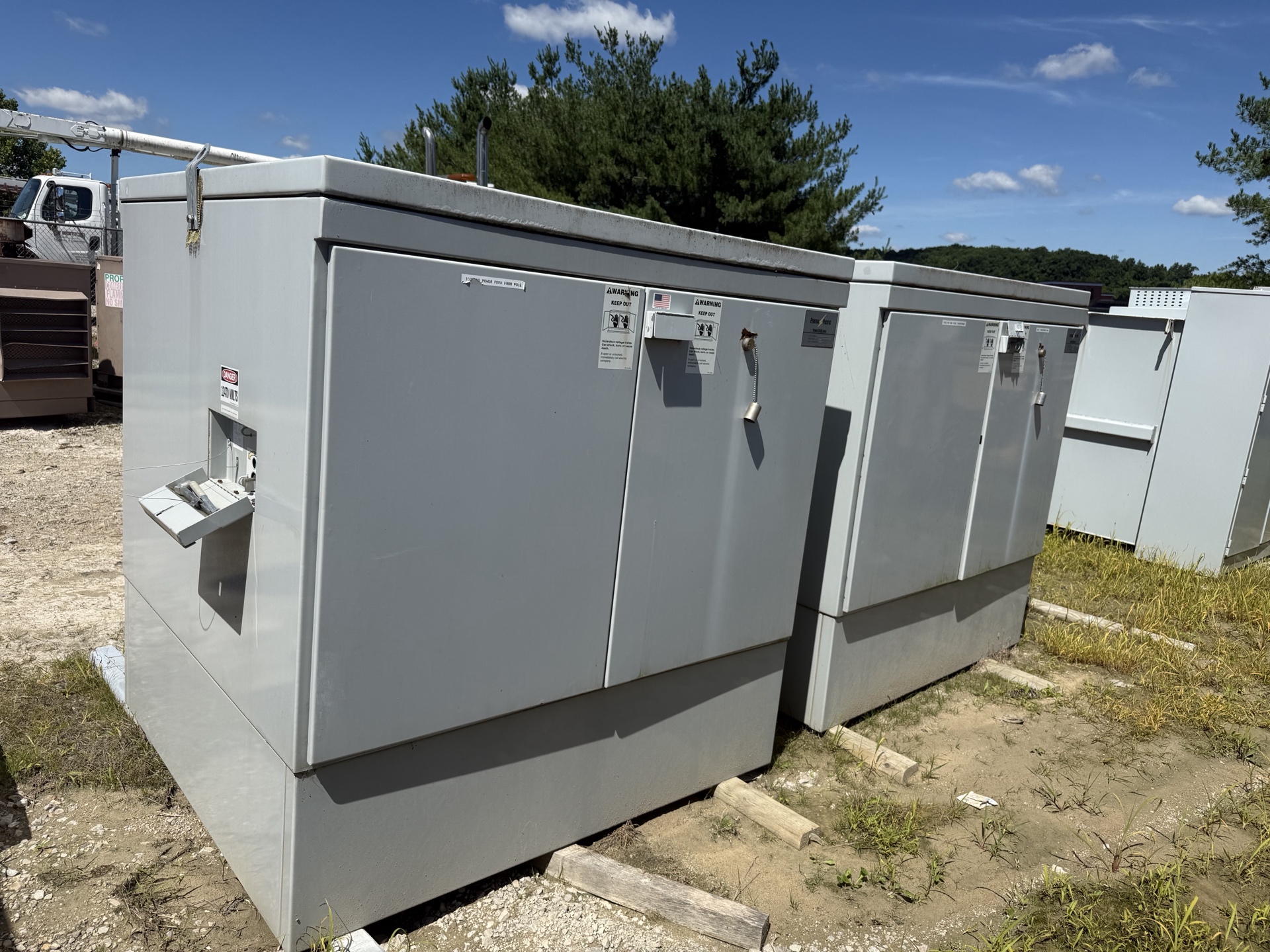
Start by identifying what the 400 A marking belongs to
On a switchboard, a 400 A marking on the assembly or bus describes a different element from a marking on its main breaker. A standalone breaker marked 400 A is a device, not a complete 400 A switchboard. Record the exact wording and where it appears: equipment nameplate, breaker face, or another safely visible label. If those markings differ, preserve both rather than choosing one as the rating. A 400 A bus does not establish that a particular main breaker is present, and a breaker marking alone does not establish the assembly’s bus rating.
Decide whether the asset is an assembly or a device
A surplus switchboard may include a lineup, main section, distribution sections and installed devices; a standalone device may be a breaker removed from an assembly. Those are distinct sale descriptions, even when both show 400 A. For example, a seller might have a board nameplate marked 400 A and a separately stored breaker marked 400 A. Document whether the offer concerns the complete board, an identified section, or the individual breaker. Do not treat a loose device as a complete assembly, or assume an assembly includes every section shown in an old drawing.
Separate breaker frame, trip and rating markings
Transcribe breaker markings exactly, including any visible frame designation and trip marking. The frame identifies a device characteristic; the trip marking identifies a separate protective-device designation. Neither should be substituted for the other or silently rewritten as “400 A breaker.” A device could display a frame marking that differs from its trip marking, while a 400 A bus is yet another separate item. Record punctuation, units and any legible suffixes. If a label cannot be read from a safe position, note it as unreadable rather than estimating from appearance or a partial number.
Account for missing sections and incomplete lineups
Missing sections can change what is actually being offered. A switchboard once shown as a multi-section lineup might now consist of only its main section, or a section may be absent from the available inventory. List the sections physically included, using visible section labels where available, and identify known omissions separately. Do not describe the original lineup as complete merely because its nameplate remains. A useful record might say “400 A assembly marking; main section present; distribution sections not included,” if that is what can be verified safely. Incomplete status supports clear review; it does not determine compatibility or acceptance.
Build a safe record from accessible markings
Capture exact nameplate and device-face text only when it is safely accessible from an authorized position. Photographs should show exterior markings without approaching, opening, touching, testing or moving equipment; never take a photograph that requires interaction with energized gear. Include an overall exterior view only if it can be obtained safely, and label which text belongs to which component. Add known inventory facts, such as whether loose breakers or sections are included, while separating direct observations from records or recollections. Qualified authorized personnel must handle any electrical work under site rules.
Keep the buying review separate from electrical conclusions
A documented 400 A marking does not establish expected load, suitability for another installation, compatibility with other equipment, or a likely price. Those questions depend on information beyond a headline rating and should not be answered by guessing from a bus or breaker label. We buy equipment across all voltage classes, but voltage and other characteristics are assessed with the particular asset; no voltage class alone establishes acceptance. Sellers do not need to test equipment or prepare it for a rating-based review. Ownership, or authority to sell on the owner’s behalf, must be established.
Clarify transaction and logistics expectations
For equipment that may be considered, offers and acceptance are assessed individually rather than promised from the 400 A marking. We offer cash and pay upfront; the buyer covers freight and hauling, with crane, rigging, disconnects and loading handled as part of the buyer’s logistics where applicable. Sellers are not required to hire crews or conduct testing. Any disconnecting or other electrical work belongs to qualified authorized personnel working under site rules. Keep the inventory description precise—assembly, included sections and device markings—so the asset under discussion is clear before transaction and pickup arrangements are considered.