Start with what “800 A” identifies
On one item, 800 A may appear as a frame rating; on another, it may identify a trip setting or a device’s marked rating. These are not interchangeable descriptions. Record the wording and location of each marking rather than reducing the lot to “800 amp breakers.” For example, a frame marked 800 A paired with a trip unit showing a different value should be described as both markings, not summarized as an 800 A trip. The exact distinction gives a buyer useful information while avoiding an unsupported conclusion about the equipment’s usable load.
Separate assembly, device, frame, and trip data
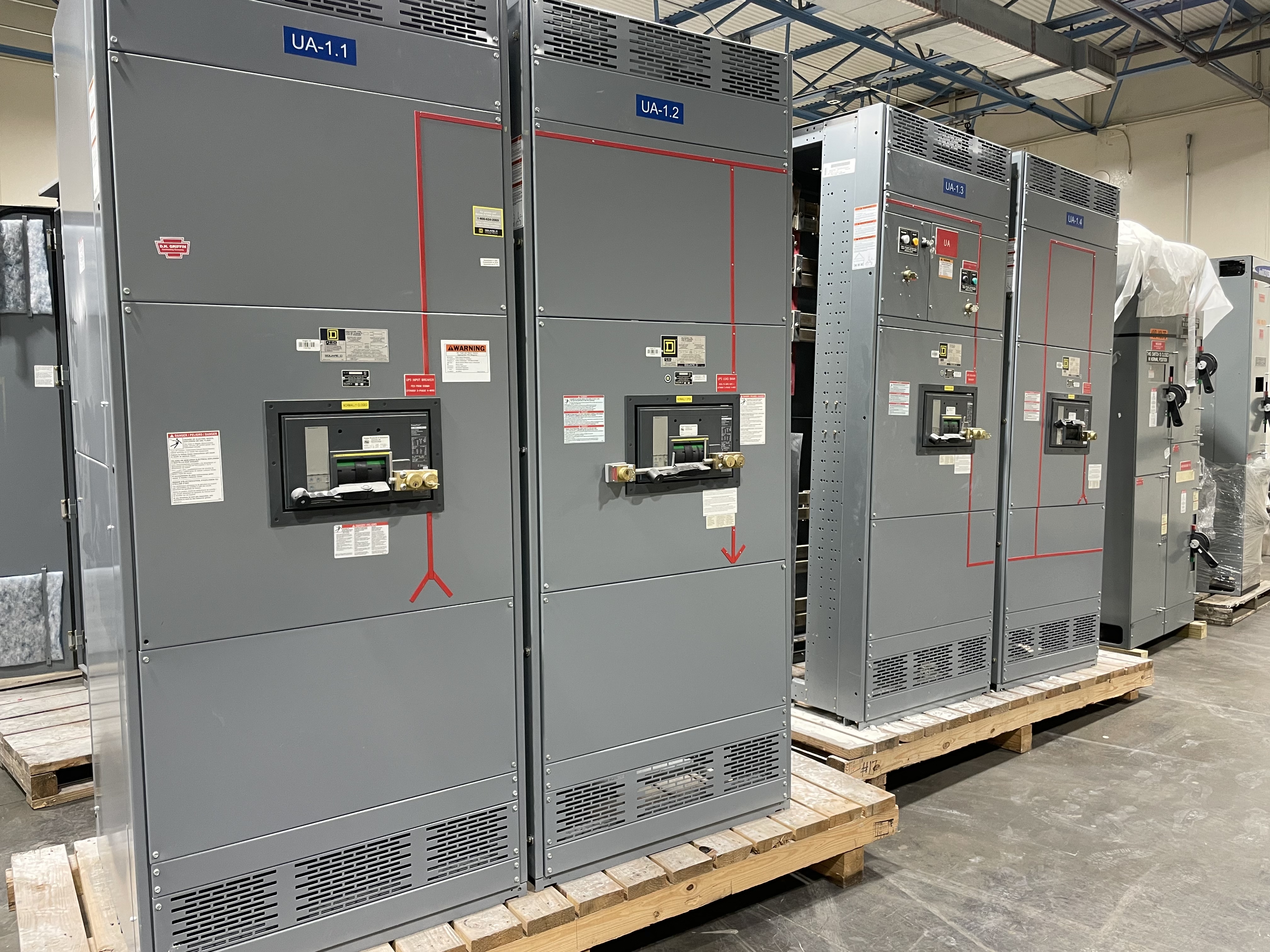
Identify whether the offered item is a complete switchboard or switchgear assembly, a loose breaker, or another component. For each breaker, record the device marking, frame marking, and trip-unit data as separate fields. A trip unit may have its own rating or adjustment information; that does not by itself establish the assembly’s rating or prove a particular operating setting. Note missing, obscured, or unreadable labels plainly instead of filling gaps by inference. If several items are present, keep each description tied to its own equipment identifier so one breaker’s details are not attributed to another.
Capture the manufacturer model exactly
Transcribe the manufacturer name and model or catalog designation exactly as legible, preserving letters, numbers, punctuation, and suffixes. A model string can distinguish devices that look alike, but it does not establish interchangeability, compatibility, or acceptance. Do not normalize a partial marking into a guessed model. If a separate trip unit has its own identifying mark, record that independently from the breaker model. Where labels differ between the breaker and its surrounding assembly, document both and say which surface carries each marking. This creates a more reliable basis for individual review than an assumed product family.
Count units, not just lots
Give a total quantity and a simple item-by-item breakdown. For example, describe three breakers as one with legible frame and trip markings, one with a legible model but an unreadable trip label, and one with its markings unavailable—not as three identical 800 A units. Note whether breakers are installed in an assembly or presented separately, without attempting removal. Quantity and condition of visible identification affect the assessment, but neither guarantees an offer. If a lot includes associated equipment, list it separately rather than silently including it in the breaker count.
Use safe, authorized documentation
Photographs are optional and should show only safely accessible exterior nameplates or equipment from an authorized safe position. Never approach, touch, open, operate, test, disconnect, remove, rack out, or move energized equipment to obtain a marking or image. Electrical work and any access requiring it belong to qualified, authorized personnel following site rules. If a label cannot be read safely, report that limitation and provide information already available in records. No seller testing or preparation is required; do not create a new exposure to improve an inventory description.
Do not infer load, fit, or value from the rating
An 800 A frame marking alone does not establish the load an installation served, the trip unit’s settings, the condition of a breaker, or fit with another assembly. Even a matching manufacturer and apparent rating do not prove compatibility. Keep those questions separate from the transcription record, and do not estimate pricing from amperage alone. We assess assets and any cash offer individually; payment is upfront if a transaction is agreed. We buy used, surplus, and decommissioned equipment across all voltage classes, including equipment from decommissioned data centers and shut-down power plants, without promising acceptance or a particular outcome.
Coordinate the transaction and removal scope
If an offer is agreed, confirm ownership or authority to sell and clarify what equipment is included. The buyer pays freight and covers crane, rigging, disconnects, loading, and hauling as applicable to the assessed transaction; sellers do not need to hire crews or arrange testing. The site’s authorized electrical personnel must perform electrical work under applicable site rules, with no seller handling of energized gear. Scope and logistics depend on the assets and conditions reviewed. Any separate demolition or hazardous-material work is not implied by an equipment purchase and must be addressed independently.