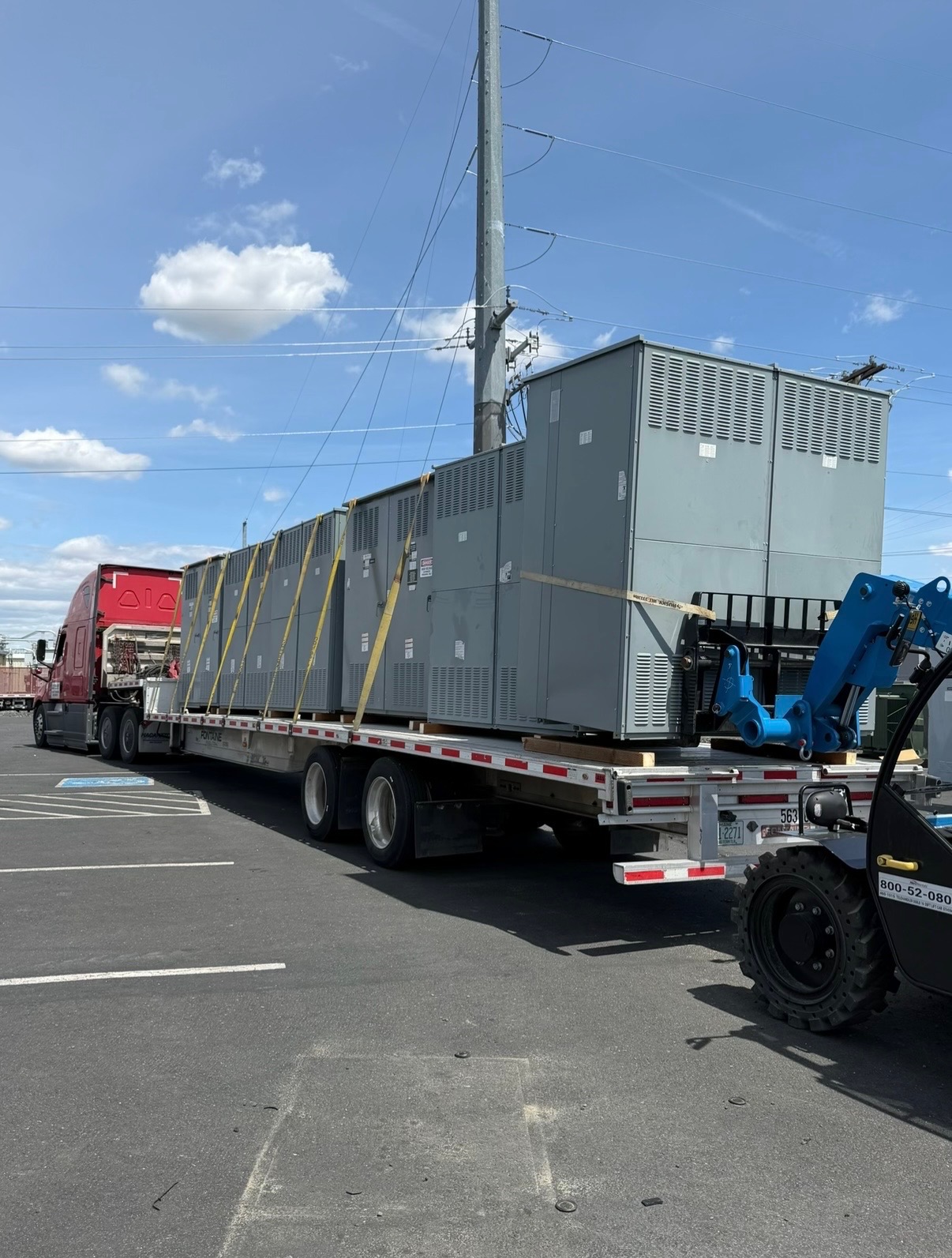
Start with the visible marking, not an assumed product identity
A safely visible ABB name or marking can help describe an item, but it is only one identification clue. Record the wording and location as seen from an authorized, safe position; do not open covers, approach energized equipment, or move anything to find a label. If an exterior nameplate is safely accessible, a clear photograph and a written transcription can help distinguish the marked assembly from nearby equipment. Note whether the marking appears on a cabinet, breaker, or component, and avoid treating those as interchangeable. The buyer evaluates the actual offered asset, not a brand name alone. ABB is referenced for identification only; no affiliation, endorsement, specifications, compatibility, or authorized-dealer relationship is implied.
Keep cancelled-upgrade packaging separate from equipment condition
Original packaging can support identification and may help explain how an item was stored, but it does not prove that equipment is unused, complete, undamaged, or suitable for reuse. Describe the package separately: whether it appears sealed, opened, relabeled, or stored apart from the equipment, based only on safe observation. Then describe the equipment’s known history, such as whether it remained in storage or was installed before the project stopped. For example, a boxed breaker and a separately stored switchgear section should not be represented as one verified package merely because both were reserved for the same upgrade. Preserve labels and paperwork with their corresponding items where practical, without handling anything unsafe.
Make storage history specific and appropriately limited
“Stored condition” is useful only when it says what is known. If equipment sat indoors, outdoors, or in a climate-controlled area, report that history only if someone can substantiate it; otherwise say the storage conditions are unknown. Note visible exterior concerns from a safe position, such as damaged packaging or apparent water exposure, without claiming that internal parts are affected or unaffected. Do not infer operational condition from a clean cabinet, intact wrap, or a low-use claim. A buyer may assess stored surplus individually, and no seller testing is required. Never test, energize, open, touch, or approach equipment to improve a description or obtain photographs; electrical work belongs to qualified, authorized personnel under site rules.
Establish title independently of labels and project records
A cancelled upgrade may leave purchase orders, packing slips, contractor paperwork, or asset records, but those documents do not automatically establish authority to sell. Identify the legal owner and confirm that the person arranging a sale has permission to act for that owner. Keep title documentation separate from packaging records and technical descriptions: a box label identifies a shipment, while an asset register may identify property, and neither alone resolves every ownership question. If multiple parties funded, stored, or installed the equipment, clarify who can authorize a transfer before requesting an offer. Share relevant records securely, redact unrelated sensitive details where appropriate, and do not represent another party’s equipment as yours.
Describe ratings without collapsing distinct electrical terms
When safely visible information is available, transcribe it rather than interpreting it. An assembly’s nominal voltage, a breaker’s voltage rating, a frame designation, a trip setting, and a current rating are different details; one cannot substitute for another. A marking on a component also may not describe the complete assembly. If an exterior nameplate is inaccessible from an authorized safe position, leave that field unknown instead of moving equipment or requesting a closer view. The buyer considers equipment across all voltage classes, but that does not mean every item is acceptable or compatible with a particular installation. No seller testing is needed, and a brand marking or partial rating should not be presented as a performance guarantee.
Request an individual assessment and clarify transfer logistics
Provide an itemized description, safe exterior photographs, known storage history, and available ownership records so an independent buyer can assess the surplus individually. Ask whether a cash offer is available and confirm that any agreed payment is made upfront before transfer; offers and acceptance depend on the specific assets and are not guaranteed. The buyer can cover freight, crane, rigging, disconnects, loading, and hauling as applicable, with scope coordinated for the site. Sellers are not required to test or prepare equipment or hire crews. Any electrical disconnect or other electrical work must be performed by qualified, authorized personnel under site rules; never handle energized equipment, and confirm access and responsibilities before scheduling removal.