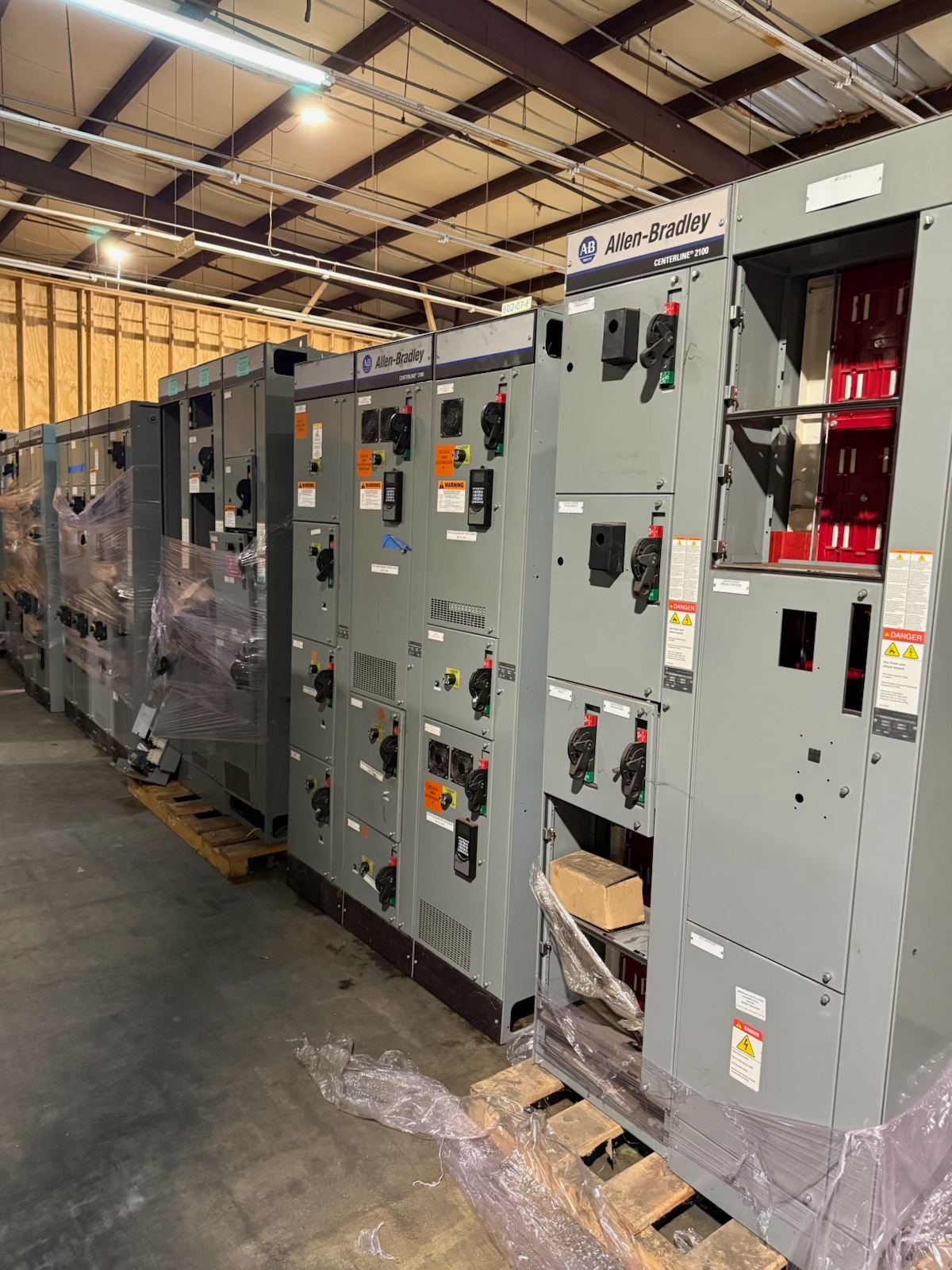
Separate shelf stock from previously installed spares
Start with the history of each item, not its apparent similarity to the next unit. A sealed carton left over from a process changeover is different from a breaker that was installed, removed, and returned to stores, even if both show an Eaton marking. Record whether the item was never installed, installed but not placed in service, or used in an assembly. If the history is uncertain, say so rather than labeling it unused. This distinction gives an independent buyer a more accurate basis for an individual assessment and avoids presenting stored equipment as new without support.
Capture package markings without opening cartons
For packaged stock, transcribe exterior package labels as printed, including identifying numbers, revision or date codes, quantity, and any condition notes. Photograph only packaging and markings that are safely accessible from an authorized position; do not open a carton merely to confirm contents. Note whether the packaging appears intact, resealed, or damaged, without inferring the equipment’s condition from the carton alone. If several cartons differ, keep their records separate. Package markings can help distinguish lots after a changeover, while an exterior Eaton name identifies a brand reference—not provenance, specifications, or proof that the contents match a particular application.
Document installed history and unknowns plainly
For items previously installed, record the former equipment location or function only as known, approximate removal date if available, and whether the unit was stored indoors or outdoors. Do not infer service history from dust, paint, or a familiar label. A visible nameplate may provide additional identification; photograph it only when safely accessible from an authorized safe position. Never approach, open, touch, test, disconnect, or remove equipment to obtain information. If a nameplate cannot be viewed safely, report that it was not recorded. Clear unknowns are more useful than guesses about operation, condition, or remaining life.
Distinguish assembly, breaker, and electrical ratings
Describe what the inventory actually contains: a complete assembly, a separate breaker, or another component. An assembly’s identification does not automatically establish the identity or ratings of a breaker installed within it. Where safely visible, record the separate nameplate information and distinguish nominal voltage from current or interrupting ratings; do not combine figures from different labels or assume they apply to the same item. Brand identification is not evidence of compatibility with equipment already on site. If electrical details cannot be verified from safe exterior markings and existing records, leave them unconfirmed for the buyer’s review.
Group inventory without overstating uniformity
After a process changeover, stores may contain mixed conditions: unopened spares, opened packages, previously installed units, and items with incomplete records. Build a simple schedule with a separate line for each distinct description, package marking, quantity, and known history. Keep uncertain or visibly different items in separate groups rather than treating a pallet as one uniform lot. Include clear exterior photographs only where safe access already exists. This organization helps an independent buyer assess assets individually; it does not guarantee that every item will be accepted or that units grouped together share a rating, condition, or application.
Plan a safe, practical assessment and removal
The seller need not test equipment or prepare it for sale. An independent buyer may assess used, surplus, and decommissioned equipment, including assets from decommissioned data centers and shut-down power plants, across all voltage classes; each asset remains subject to individual review. Electrical work—including isolation and disconnection—must be performed by qualified, authorized personnel under site rules. Depending on the agreed scope and site conditions, the buyer covers crane, rigging, disconnects, loading, freight, and hauling. Do not move or handle equipment for photographs or inventory. Any removal plan must respect access controls and site safety requirements.
Compare the offer with the documented scope
Once the inventory and access conditions are understood, the buyer can consider a cash offer with upfront payment, subject to individual assessment and agreed terms. Compare the offer against the described lot: unused packaged stock, previously installed spares, mixed inventory, and unverified items may be assessed differently. Confirm what quantity and equipment the offer covers, who coordinates authorized electrical work, and how freight and removal responsibilities are handled. Do not assume an Eaton marking guarantees a particular price, acceptance, or timetable. The seller must own the equipment or have authority to sell it; accurate records help both sides define the transaction clearly.