Confirm authority before discussing a transfer
If a public entity in Appling County is considering surplus switchgear, first establish who may authorize its sale and what internal approvals or disposal procedures apply. Requirements can differ between owners, so do not assume that a department representative can commit the entity or that a particular process is required. Identify the responsible asset, facilities, procurement, or finance contacts, as applicable, and document the approval path before setting a removal date. A buyer can assess equipment and make an offer, but that does not replace the owner’s review. Clarify who may share asset information, receive an offer, approve terms, and sign transfer documents. Keep proposed sale terms conditional until authorized decision-makers have confirmed the entity can proceed.
Build an inventory that supports a fair assessment
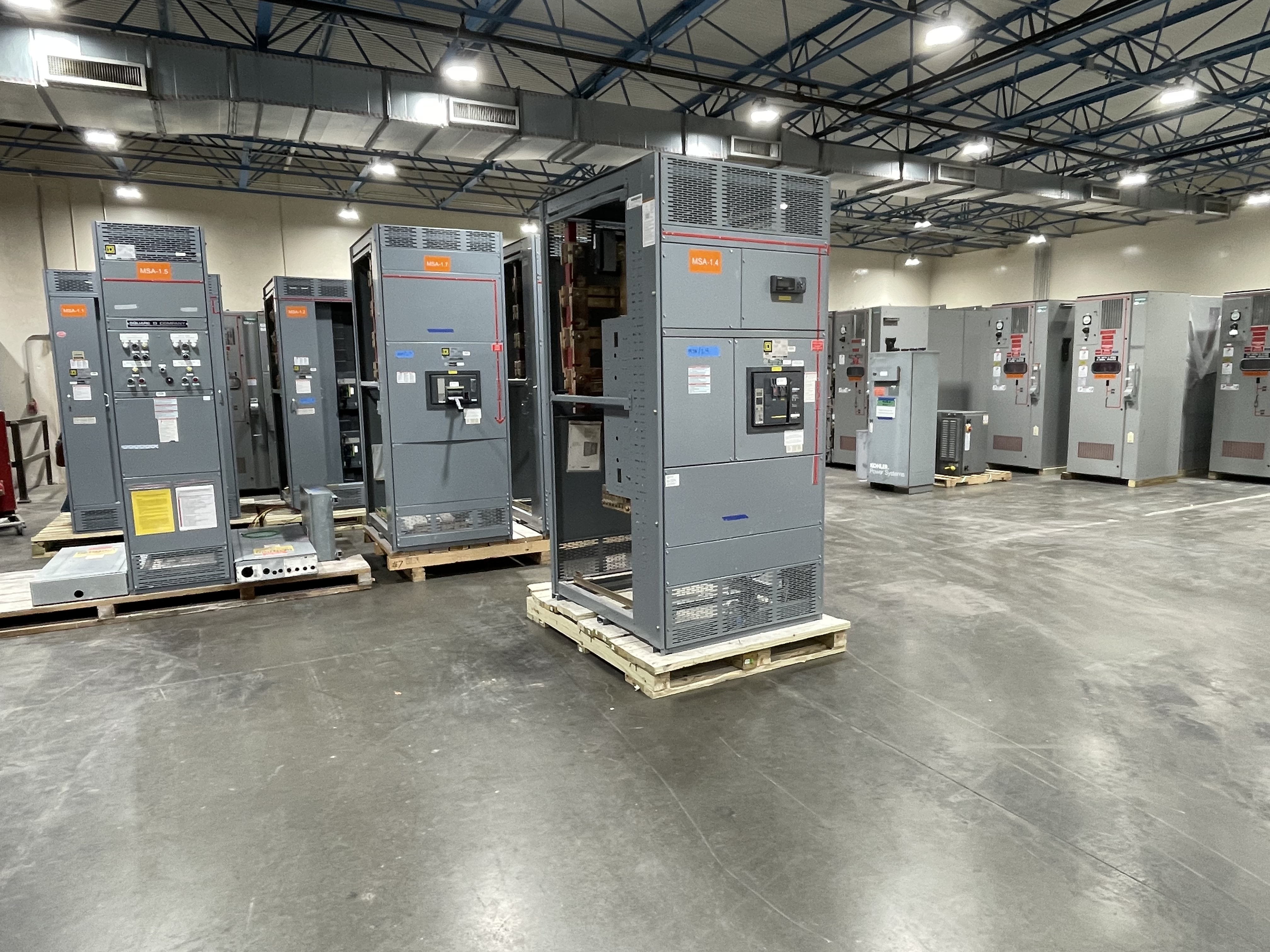
Before seeking an offer, prepare a practical inventory using records already available: manufacturer, equipment type, assembly identification, known breaker details, approximate quantity, and any recorded nominal voltage or ratings. Distinguish the switchgear assembly from individual breakers; a breaker’s frame and trip details are not interchangeable, and neither alone describes every rating of the installed equipment. Note whether records are incomplete rather than filling gaps with assumptions. Safe photographs may show exterior nameplates or equipment from an authorized, safely accessible position only. Do not open doors or approach equipment for a better image. This information helps a buyer assess the specific inventory; it does not establish acceptance, compatibility, or value before individual review.
Compare offer terms, not just the headline amount
When an offer is presented, compare its stated amount with the proposed scope and responsibilities. Ask whether the offer covers the identified equipment, what assumptions it makes about quantity and condition, and which removal and transportation costs the buyer will bear. This buyer offers cash and pays upfront under agreed transaction terms; confirm the payment point and the entity’s required documentation before authorizing transfer. A higher nominal offer may not be the better choice if scope exclusions or unclear logistics leave the owner with costs or unresolved obligations. Conversely, a lower offer may be easier to evaluate if responsibilities are explicit. Have authorized reviewers compare written terms consistently, rather than relying on informal estimates or an unverified condition description.
Set removal boundaries and site responsibilities
Removal planning should state who is responsible for disconnects, crane and rigging work, loading, freight, and hauling. The buyer covers these logistics under the agreed scope, but the site owner should confirm access constraints, operating hours, staging limits, and any protection or coordination requirements that apply. Electrical work must be performed by qualified, authorized personnel under site rules. Do not ask unqualified staff to disconnect, move, or prepare equipment, and do not treat a proposed pickup plan as permission to begin work. Agree on boundaries in writing: what equipment is included, where the buyer’s work begins, what site access is authorized, and how changes will be approved. Keep unrelated demolition or remediation outside the scope unless separately arranged.
Resolve condition questions without seller testing
A public owner may have maintenance records, past inspection reports, or inventory notes, but need not arrange testing for a sale assessment. The buyer purchases surplus switchgear without requiring seller testing or seller preparation. Share existing records only when authorized, distinguish documented facts from recollection, and identify known gaps so an offer is based on transparent information. Buying across all voltage classes does not mean every configuration or condition will be accepted; assets and offers are assessed individually. If records list a nominal voltage, preserve the source and avoid presenting it as a complete description of breaker or assembly ratings. No one should operate, open, touch, test, disconnect, remove, or handle energized equipment to answer an inquiry.
Document the decision and close out access
Before scheduling collection, preserve the entity’s approval record, accepted written offer, equipment inventory, payment terms, scope of work, and names of authorized site contacts. Record any exclusions and the agreed process for resolving a mismatch between listed and accessible assets. If access or timing changes, pause and obtain approval through the owner’s established channels rather than allowing an informal request to expand the work. Once collection is authorized, coordinate the buyer’s crew with the site’s access and safety rules; do not allow photographs, inspection, or handling that would put people near energized equipment. After pickup, retain the transfer and payment documentation required by the entity. These steps support a traceable disposition without presuming a specific procedure or outcome.