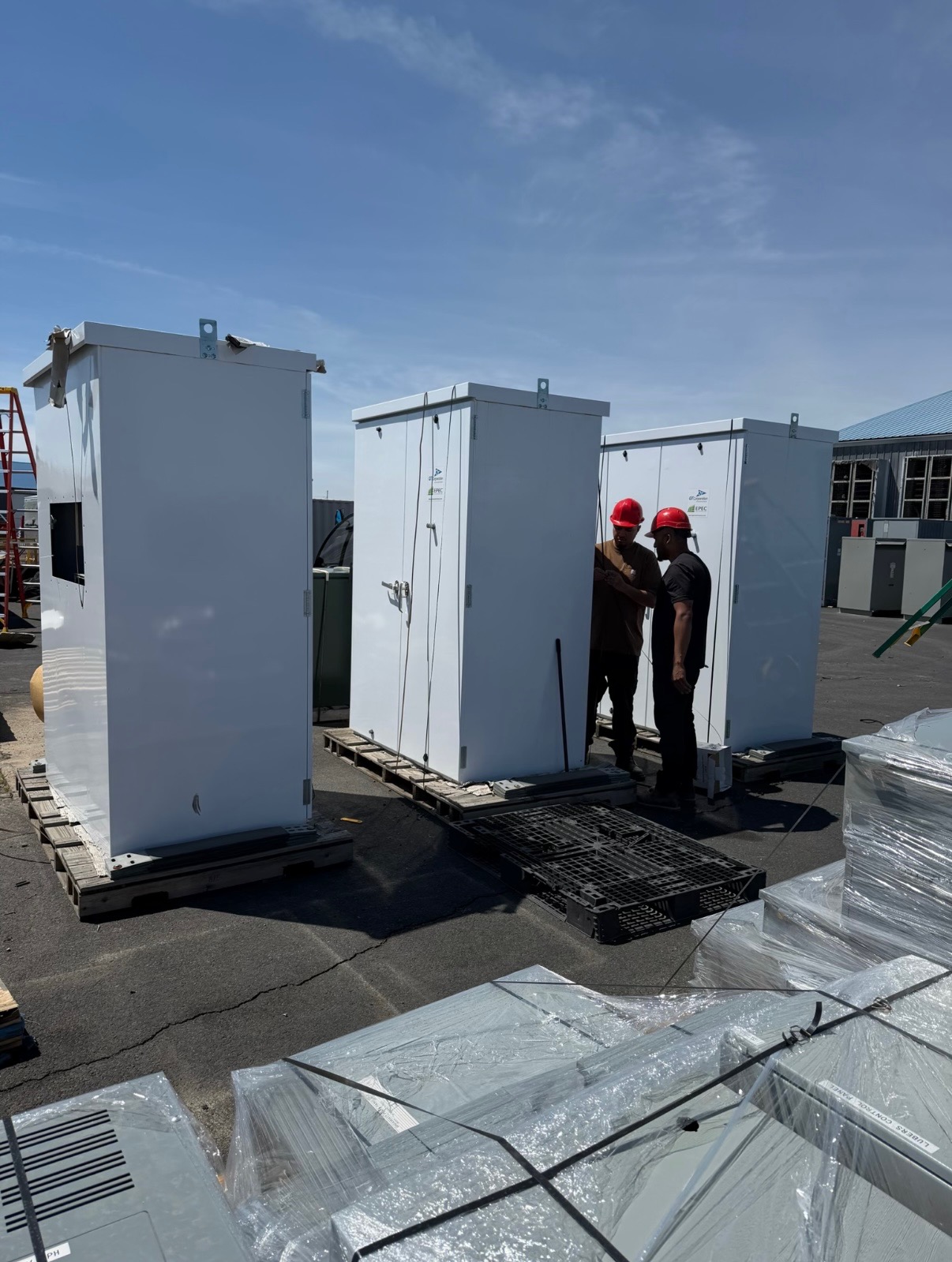
Set the boundary between electrical removal and demolition
Before discussing pickup, define the switchgear scope separately from structural demolition. For example, if a redevelopment contractor plans to remove a wall or roof near a lineup, agree which party controls that area and whether the electrical equipment must be released first. The sequence may preserve access for an authorized electrical contractor, or demolition may need to wait until the electrical scope is complete. Neither party should assume the other has authority to disconnect or remove equipment. Put the boundary, responsible parties, and required approvals in writing before scheduling an evaluation or pickup.
Identify who controls access and release
A property owner, redevelopment manager, demolition contractor, utility representative, and electrical contractor may have different roles. Ask who can authorize access for an exterior visual review, who controls the work area, and who can release the equipment for sale. If a lease, lien, or project contract affects ownership or control, resolve that authority before accepting an offer. The seller must own the equipment or have authority to sell it. Record the approving person and any access restrictions so a buyer’s assessment does not get mistaken for permission to enter, disconnect, or handle gear.
Use the release date to sequence decisions
A target demolition date is not necessarily the date switchgear can safely be removed. The release may depend on qualified electrical work, site approvals, other trades, or a shutdown schedule. Ask which milestone makes the equipment available and who confirms that milestone. If the date is uncertain, share a realistic window rather than promising a fixed pickup day. This distinction can help compare an offer with the cost or disruption of holding the area, while recognizing that an assessment or offer does not guarantee acceptance, price, or a particular schedule.
Provide useful information without testing equipment
For an initial assessment, share what records are available: equipment type, approximate lineup or section count, known condition, and any readable exterior nameplate details. Safe photographs should show only exterior nameplates and equipment from an authorized, safely accessible position. Do not approach, open, operate, test, disconnect, or move energized equipment to obtain information. No seller testing or preparation is required. If records are incomplete, say so; do not infer a rating from appearance. A qualified authorized person must handle electrical work under site rules, including determining whether and how equipment can be made safe.
Distinguish ratings and assembly details
Switchgear value and fit for assessment depend on more than a broad voltage label. A lineup assembly may include breakers with different frame or trip details, and a nominal voltage is not interchangeable with every equipment rating. If documentation exists, identify the assembly and breaker information separately rather than collapsing everything into “the switchgear rating.” Do not remove covers or access internal parts to fill gaps. A buyer can consider equipment across all voltage classes, but that does not mean every configuration will be accepted or valued alike; each asset and offer is assessed individually.
Coordinate removal responsibility and site logistics
Clarify the planned removal boundary, access route, staging limits, and any site controls before the release date. In this buying arrangement, the buyer covers crane, rigging, disconnects, loading, freight, and hauling; the seller is not required to hire a crew or perform testing. Still, the parties need to coordinate when the area is authorized for work and who grants access. Electrical disconnects and other electrical tasks belong to qualified authorized personnel following site rules. A redevelopment plan should keep structural demolition and equipment removal distinct, even when contractors share a gate or work window.
Compare offers against the redevelopment sequence
Once authority, information, and timing are clear, compare any cash offer with the practical value of releasing the area on the proposed terms. Payment is upfront, but an offer remains subject to individual assessment and is not a promise of acceptance or a particular amount. Ask what equipment the offer covers and whether the described scope matches the assets intended for release. If a data center or power plant has been decommissioned, identify the relevant equipment without implying that a particular site or project exists in Baker County. Confirm the seller’s authority and release conditions before treating the transaction as complete.