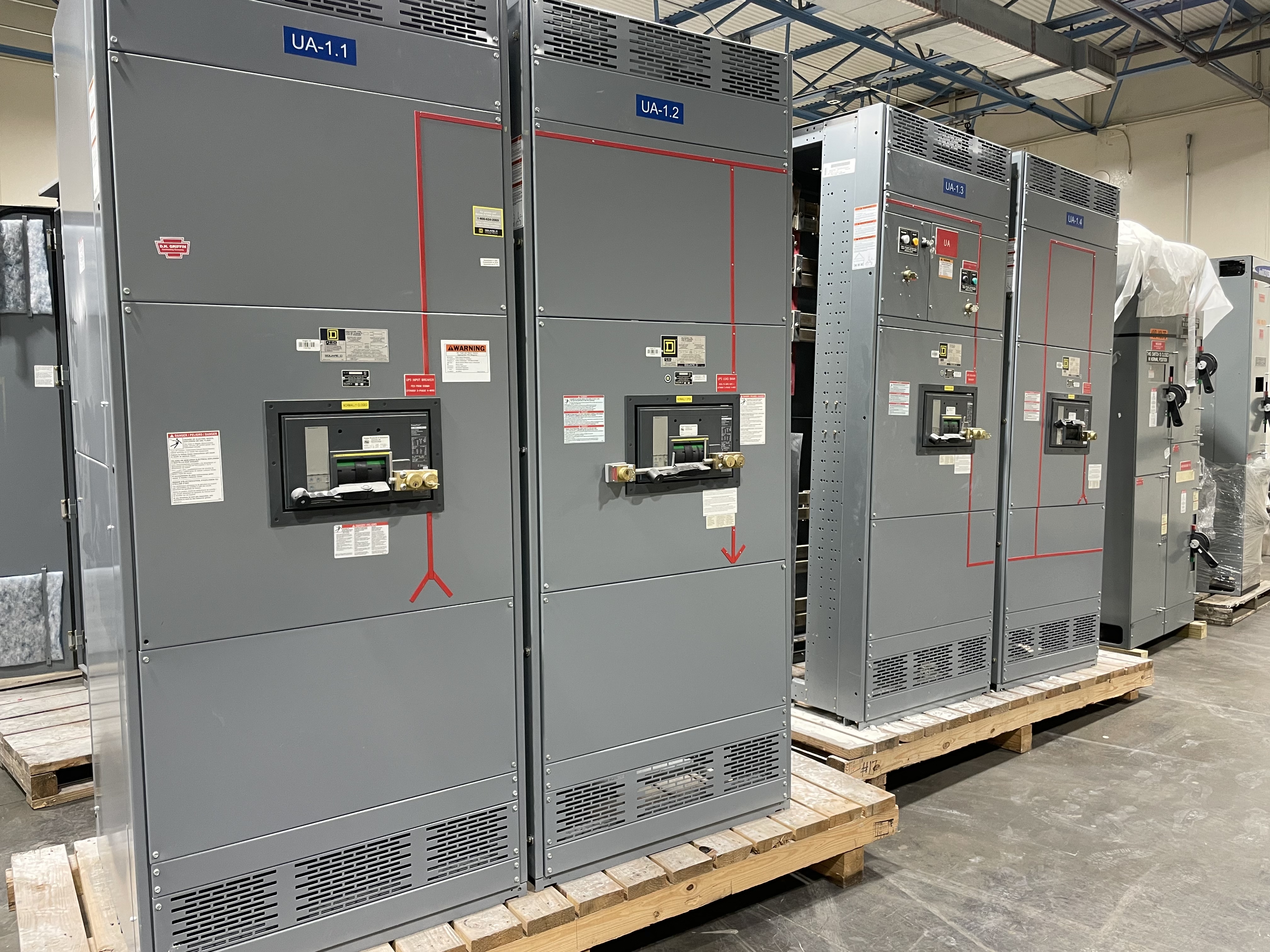
Separate visible sections from assumed circuits
If a distribution board is being cataloged before a possible sale, record only what can be confirmed from safely accessible exterior labels and existing documentation. A label identifying a main section and several feeder sections supports those descriptions; it does not establish which rooms, machines, or other panels the feeders serve. For example, “feeder 3” is a defensible inventory note if that marking is visible, while “feeds the west production line” is not unless reliable records say so. This restraint makes the inventory more useful, not less: it tells a buyer what is known, marks the gaps, and avoids presenting an inference as equipment fact.
Choose evidence that does not create exposure
Decide what to document by asking whether the information is already available or safely visible—not whether someone can get a better view by interacting with the gear. Useful material may include existing schedules, prior inventory sheets, and clear photographs of exterior nameplates or labels taken from authorized safe positions. Do not approach, open, touch, test, disconnect, or move equipment to improve a photograph or read a hidden marking. If a label cannot be safely seen, note that it is unavailable. Qualified, authorized personnel must perform any electrical work under the site’s rules; cataloging for a sale is not a reason to cross those boundaries.
Keep board, breaker, and rating details distinct
Inventory descriptions should distinguish the assembly from the devices installed in it. A board nameplate may identify the distribution assembly, while breaker labels may identify individual devices; neither necessarily documents downstream loads. Where visible markings or existing records provide them, keep nominal voltage, current or interrupting ratings, breaker frame, and trip details in separate fields rather than treating them as interchangeable. Do not infer a board rating from one breaker, or a breaker’s trip setting from its frame marking. A buyer can assess documented details alongside condition and completeness, but uncertain or illegible information should remain marked unknown rather than “filled in” by assumption.
Balance completeness against time spent compiling records
A short, accurate inventory can be more practical than delaying a sale while trying to reconstruct every feeder destination. If records are readily available, identify which document supports a section label and share it with the inventory. If a schedule is missing, say so; do not create a circuit map from memory or attach uncertain descriptions to feeders. Include the visible manufacturer and catalog information only when legible, and distinguish installed devices from spare or removed components if existing records establish that difference. The tradeoff is straightforward: more verified context can help an individual assessment, but speculative detail adds confusion without proving what the board serves.
Discuss access and removal before evaluating logistics
If the property owner or authorized representative is considering a sale, clarify access constraints early: where the equipment is, what site rules apply, and whether the assembly remains installed. Do not have unqualified staff prepare it for pickup. Electrical disconnects and other electrical work belong to qualified, authorized personnel under site requirements. Depending on the individual asset and access conditions, the buyer may cover crane service, rigging, disconnects, loading, freight, and hauling. Those responsibilities should be discussed rather than assumed, since equipment size, route, loading conditions, and site controls can affect the plan. Do not promise that every assembly can be accepted or removed under a particular arrangement.
Request an assessment without testing or overclaiming
When requesting an assessment, provide the verified inventory, safely obtained exterior photographs, available records, known access limits, and confirmation that the seller owns the equipment or has authority to sell it. No seller testing or preparation is required. The buyer purchases used, surplus, and decommissioned electrical equipment across all voltage classes, including equipment from decommissioned data centers and shut-down power plants; each asset and offer is evaluated individually. If the equipment is suitable for an offer, terms can include cash paid upfront, with buyer-paid freight discussed as part of the specific logistics. Neither acceptance, price, nor timing is guaranteed, so keep the description factual and avoid promising a result to stakeholders.