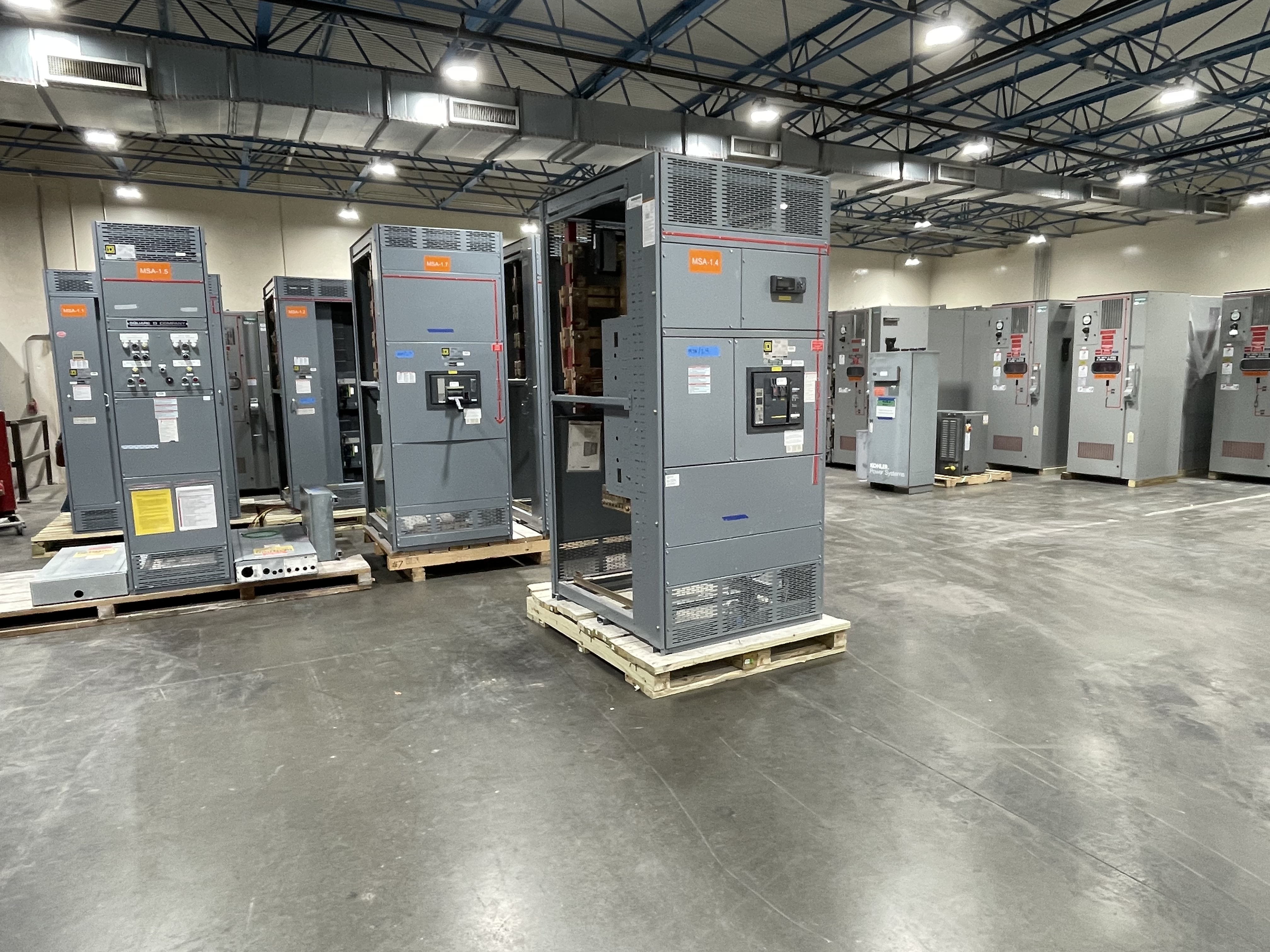
Separate proposed lots from release-ready assets
A schedule may group a lineup as one proposed lot while listing separate handover dates for its sections, associated devices or site areas. Treat those entries as planning information, not proof that either lot is cleared for sale or removal. Ask the site’s authorized representative to identify which equipment is included in each proposed phase, who controls it, and what conditions govern release. A buyer can consider lots separately or together, subject to individual assessment and acceptance. If a phase changes, the purchase scope and logistics may need reassessment. Keep the schedule’s exact asset descriptions and dates; do not infer that a planned handover grants access or permission to disconnect equipment.
Use Schneider markings without assuming product details
Record the wording visible on safely accessible exterior labels and nameplates, along with any corresponding asset or lineup identifiers already held in site records. “Schneider-marked” describes a marking, not an affiliation, product lineage, compatibility finding or complete technical specification. Existing drawings, inventories and maintenance records can help associate a label with a proposed lot, but note whether each document is current and which phase it addresses. Do not fill gaps by guessing. If a rating is documented, preserve its stated category: nominal system voltage, assembly voltage, continuous current, device frame, trip rating and interrupting rating are distinct values. Report a value only where an existing record supports it.
Build the assessment from records already available
Useful records may include equipment schedules, single-line diagrams, ownership or surplus authorization, prior inventory, and planned release dates. Share what exists; a seller need not arrange testing, measurements, fabrication, staging or equipment preparation to request an assessment. No seller testing is required. If records disagree about identification, quantity or phase, flag the conflict rather than choosing the more favorable entry. Note any known exclusions, such as equipment retained for another phase, items outside the seller’s authority, or components not included in the proposed lot. The buyer reviews each opportunity individually, and a submitted schedule does not guarantee an offer, acceptance or particular payment or removal date.
Make the physical handover conditional and safe
Do not approach, touch, operate, test, open, disconnect, remove or move equipment that is energized or potentially energized. Any electrical work must be handled only by qualified, authorized personnel under applicable site rules and site control. For visual reference, provide photographs only of safely accessible equipment exteriors and exterior labels or nameplates, taken from positions authorized by the site. Never open a cabinet or photograph its interior. Access, isolation status and any approved work sequence remain site decisions; an offer is not authorization to enter an area or perform work. If safe access or release is not established, defer the handover discussion until the responsible site personnel approve it.
Coordinate two phases without shifting removal costs
After the lineup purchase is agreed, the buyer funds necessary crane and rigging support, electrical disconnects, loading, hauling and freight. The seller does not hire or pay a removal crew. Confirm with authorized site contacts which phase can be released, the permitted work window, access conditions and any site-required coordination before scheduling resources. A split handover can affect mobilization and transport planning, so the buyer and seller should confirm the accepted lot and sequence in writing. These arrangements concern the purchased equipment only; they do not include unrelated demolition or hazardous-material remediation. No schedule or acceptance is assured until the particular purchase and its logistics are agreed.
Request a cash offer with clear boundaries
The independent buyer purchases equipment of all voltage classes, including used, surplus and decommissioned assets from shut-down power plants and decommissioned data centers. Cash offers are assessed individually, and the buyer pays upfront for agreed purchases. That does not mean every Schneider-marked lineup, accessory or phase will be accepted, or that a proposed date is guaranteed. A useful inquiry identifies the proposed lots, planned handover phases, exact available markings, records on hand, known exclusions and an authorized contact for release coordination. Send only safe exterior photographs. The resulting assessment can identify what remains uncertain before either party agrees to scope and handover logistics.