Define the offered asset before requesting an assessment
Use the closeout schedule to identify the panel assembly being offered, then distinguish it from attached controls, monitoring devices, wiring, software, field instruments or other equipment whose ownership is unresolved. Do not assume physical attachment means an item transfers with the panel. A concise written scope can list confirmed inclusions, explicit exclusions and items pending owner approval. If ownership cannot be established, mark the item unconfirmed rather than including it in the offer request. This supports a focused assessment without suggesting the buyer accepts every component. The buyer considers Schneider-marked panels independently and makes no manufacturer affiliation, endorsement, product-line or compatibility claim.
Use existing records, not seller testing
Useful supporting material may include the closeout schedule, asset register, available purchase or transfer records, prior maintenance documents and existing drawings or photographs. Share only records the seller is authorized to disclose. Report label wording as it appears; do not convert an incomplete marking into a model, origin or rating claim. If existing records state nominal system voltage, assembly voltage, continuous current, device frame, trip rating or interrupting rating, keep each value separate and identify its source. Do not infer one value from another. No seller testing, measuring, fabrication or preparation is required to request an assessment; missing information can simply remain unknown.
Keep the condition review within safe limits
Optional photos must be taken from site-authorized safe positions and show only accessible equipment exteriors or exterior labels and nameplates. Keep cabinets closed and never photograph inside. Leave energized or potentially energized gear alone: do not approach, touch, open, operate, test, disconnect, remove or move it. Qualified, authorized personnel alone perform electrical work, including any isolation or disconnection, under site rules. A photograph or record is not a safety clearance, condition certification or confirmation that equipment is ready for removal. If the equipment’s status or safe access is uncertain, follow site procedures and leave it undisturbed.
Set exclusions and ownership questions in writing
Before an offer is considered, identify what the seller can convey and what must remain in place. This matters when controls are mounted on, wired to or managed alongside a panel but belong to another party, serve continuing operations or are covered by a separate contract. List those controls as excluded or unconfirmed until authorized ownership records resolve the question. Also note any site restrictions, access limits and items expressly outside the proposed purchase. An assessment is not acceptance, and unresolved scope can affect whether an offer is possible. The buyer does not undertake unrelated demolition or hazardous-material remediation as part of a panel purchase.
Agree on purchase and removal responsibilities
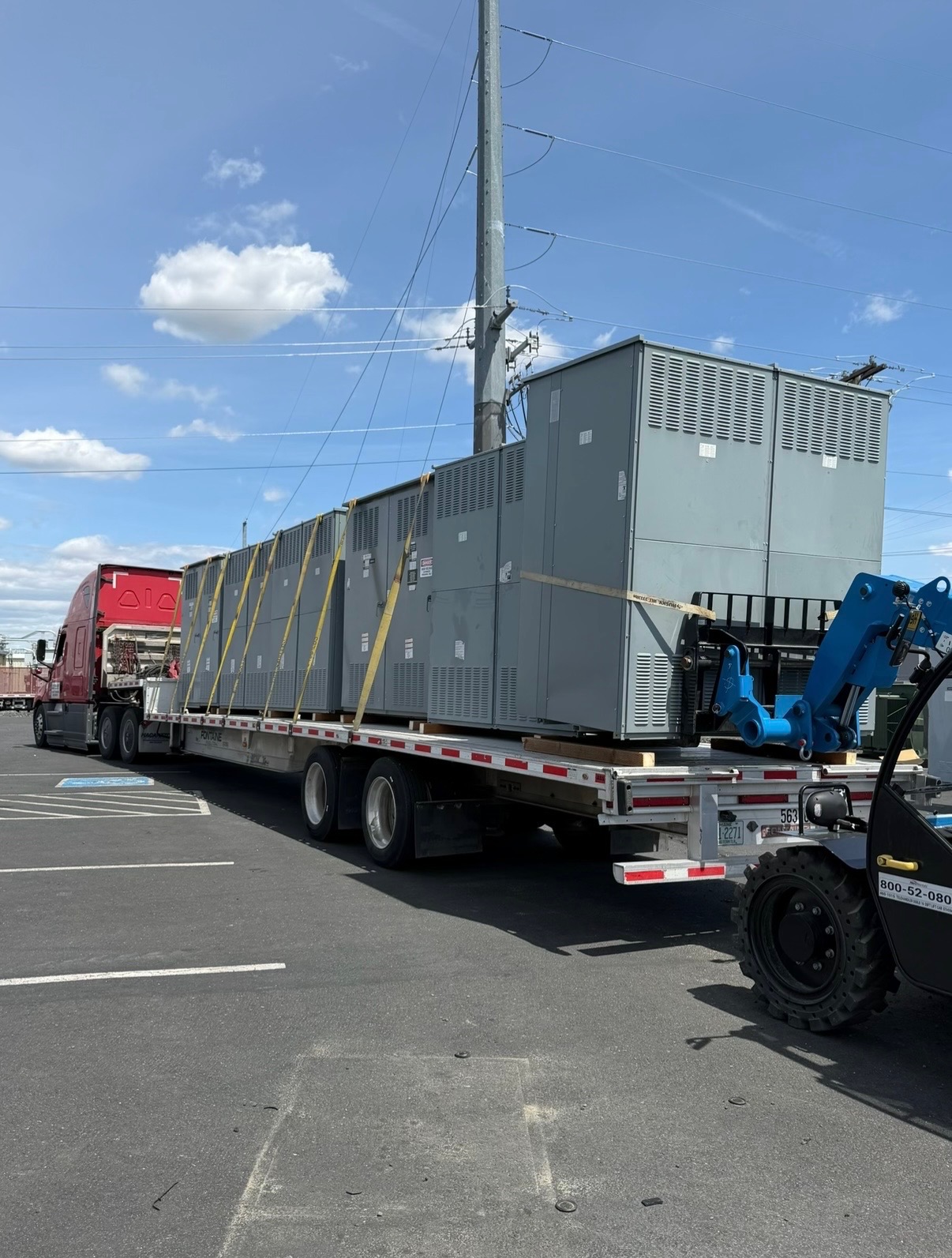
The buyer makes cash offers and pays upfront for agreed purchases, but each asset, scope and acceptance is individually assessed; neither a price nor a removal date is guaranteed. For an agreed purchase, the buyer covers the necessary crane, rigging, disconnects, loading, freight and hauling under the agreed arrangement. The seller does not hire or pay a removal crew. This allocation applies to the agreed purchase scope, not unrelated site work or demolition. Before scheduling, confirm ownership, access permissions, site rules, sequencing and responsibility for any work outside the purchase. Do not treat an offer discussion as authorization to begin electrical or removal work.
Plan a controlled handover across voltage classes
Marietta-area sellers may request consideration for equipment from many settings; the buyer purchases equipment of all voltage classes, including equipment from decommissioned data centers and shut-down power plants. That does not establish suitability, condition or acceptance of a particular Schneider-marked assembly. Coordinate any agreed handover with the site’s authorized personnel, who control access and perform electrical work under applicable site rules. Keep excluded or unconfirmed controls out of the transfer unless ownership and scope are resolved in writing. The seller need not test or stage the panel. Final logistics, purchase terms and timing depend on the individually assessed agreement and safe, authorized site access.