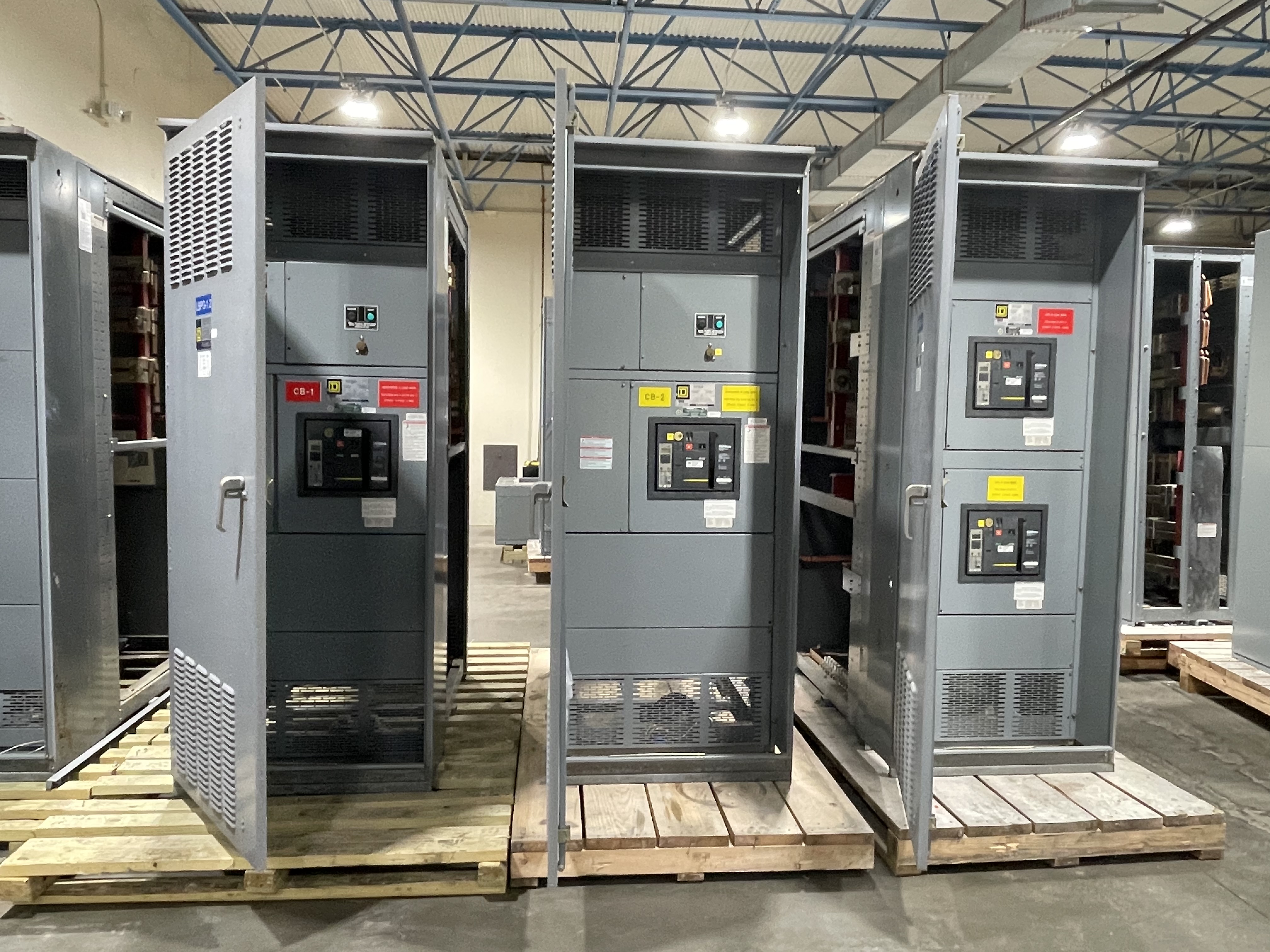
Keep both room references in the handback
A building handback might identify a room by its current tenant, floor plan, or function, while an electrical inventory uses a switchgear-room label, asset code, or older drawing reference. Record both names exactly as written, along with the document source and date if known. Ask the site contact whether the labels refer to the same space or different locations, and request clarification through site records rather than an equipment walkdown. Do not discard a label just because it seems outdated. Preserving both references helps a buyer compare documents without asking the seller to approach, identify, or handle equipment. Any Bacon County opportunity remains subject to individual review.
Build an inventory from records already available
Useful starting material can include existing asset lists, prior work-order records, drawings, handback schedules, and exterior nameplate information already documented by authorized personnel. Separate confirmed entries from uncertain ones: note the recorded room name, asset identifier, manufacturer or model only when documented, and whether the entry is incomplete or unverified. Do not fill gaps by guessing from appearance or by commissioning seller testing. A buyer can review used equipment across all voltage classes, but that does not establish suitability, compatibility, or acceptance of any specific asset. The buyer also considers equipment from decommissioned data centers and shut-down power plants; those sources do not imply a particular Bacon County facility or project.
Report ratings carefully—and leave gaps visible
Where existing records support ratings, keep distinct fields for nominal system voltage, assembly or equipment voltage, and continuous current. List device frame, trip setting or rating, and interrupting rating separately only when each value is documented for the relevant device. These figures describe different things and should not be combined into a single “rating” or used to infer compatibility. If a record is missing, unclear, or inconsistent, mark it unknown and let the buyer assess whether more information is needed. Sellers do not need to test, measure, open a cabinet, or obtain new readings to request an assessment. Never approach or handle energized or potentially energized equipment to confirm a record.
Share exterior photos only when safe and authorized
Photos are optional and should be limited to safely accessible equipment exteriors and exterior labels or nameplates, taken from positions the site authorizes as safe. Follow site rules and do not enter restricted areas, approach equipment, or take a photo that requires touching it, opening a cabinet, or changing its condition. Never photograph the interior of a cabinet or take interior images with a door open. If safe exterior documentation is unavailable, use existing records or ask the site contact what information can be shared instead. A buyer can begin a review without seller testing, measurements, staging, or preparation; an incomplete photo set is not a reason to take an unsafe step.
Agree removal responsibilities before scheduling
For an agreed purchase, the buyer covers necessary crane, rigging, disconnects, loading, freight, and hauling as part of the agreed arrangements; the seller does not hire or pay a crew for that removal. Confirm the proposed scope, access coordination, timing, site approvals, and handover point with authorized site representatives before work is scheduled. All electrical work must be performed only by qualified, authorized personnel under applicable site rules. Sellers must not disconnect, remove, lift, stage, move, or handle equipment, whether it appears idle or not. A purchase assessment is not a demolition contract and does not include unrelated building work or hazardous-material remediation.
Compare offers with a clear handover record
An independent buyer makes cash offers and pays upfront for purchases agreed by both parties. Each asset and proposed transaction is assessed individually, so an inquiry does not guarantee an offer, acceptance, price, or schedule. Before handover, reconcile the agreed asset list against the preserved room names and available records, and have the site contact resolve any location ambiguity through authorized documentation. Identify exclusions or unresolved items explicitly rather than assuming they are included. There is no requirement for the seller to prepare or test equipment, and no seller-paid removal crew is needed for an agreed purchase. A possible Bacon County decision should proceed only when scope, access, responsibilities, and acceptance are clear to both parties.