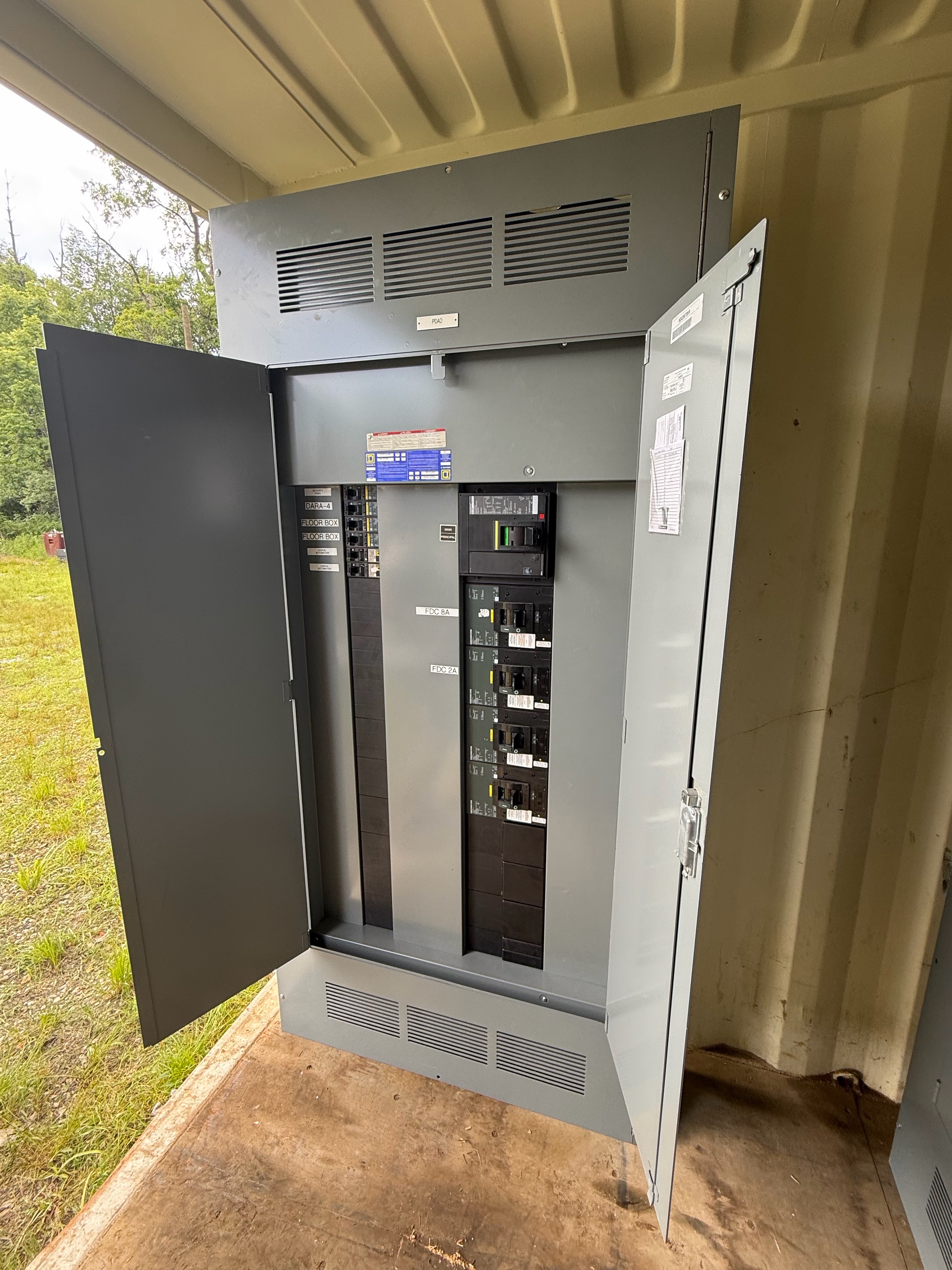
Turn the spreadsheet entry into a defined scope
A single asset line may represent an entire motor control lineup, several connected sections, or a record-keeping shorthand. Start with the existing section count and any available asset list, drawings, photographs, or removal history. State clearly whether the proposed sale includes every identified section or only specified portions. Avoid treating a spreadsheet description as proof of contents, completeness, operating condition, or ownership. A buyer assessment can consider the written scope alongside available records; it does not require you to inspect or test equipment. If the documentation leaves the physical extent uncertain, flag that uncertainty and let any offer specify what is included.
Keep spare controls outside the deal unless included
Spare starters, buckets, or other controls may be associated with a lineup in records without being part of the intended transfer. List such items as exclusions unless they are expressly included in the proposed scope. This distinction helps prevent a mismatch between the recorded section count and the equipment being offered, while avoiding assumptions about whether components are removable or interchangeable. Use existing inventories and descriptions where available; do not open cabinets or handle equipment to confirm contents. The assessment can address only what the proposed transaction actually covers. Any change to the included sections or spares should be documented and reviewed before acceptance.
Use exact markings and keep ratings separate
Report brand and model wording exactly as shown in existing records or on safely accessible exterior labels and nameplates. A Square D marking identifies the recorded marking only; it does not establish affiliation, product lineage, compatibility, or technical suitability. If documents state electrical values, preserve their labels: nominal system voltage, assembly voltage, continuous current, device frame, trip rating, and interrupting rating are distinct items, not interchangeable descriptions. Do not infer a missing value or reconcile conflicting records by guesswork. A purchase assessment can note what is documented and what remains unknown, without asking the seller to measure, test, or produce a new technical schedule.
Share records and safe exterior images
Useful existing information may include section counts, asset tags, exterior nameplate details, available drawings, and a written list of inclusions and exclusions. Optional images should be limited to safely accessible equipment exteriors and exterior nameplates or labels, viewed from site-authorized safe positions. Do not open cabinets or photograph their interiors. Leave energized or potentially energized equipment alone; never approach, touch, open, operate, test, disconnect, remove or move it. If access or electrical status is uncertain, leave the equipment alone and follow site procedures. Electrical work, if required for an agreed transaction, is for qualified, authorized personnel working under site rules.
Plan removal responsibilities before acceptance
For an agreed purchase, the buyer covers the necessary crane, rigging, disconnects, loading, freight, and hauling as set out in the transaction. The seller does not hire or pay a removal crew. Scope and site access should be agreed in advance, with any required electrical work handled only by qualified, authorized personnel under site rules. A purchase does not include unrelated demolition or hazardous-material remediation. No seller testing, measurements, staging, or equipment preparation is required to request an assessment. Do not arrange or attempt removal yourself; potentially energized equipment must not be handled, and site authorization governs all access and work.
Request an offer without assuming acceptance
Send the location, the existing section count, the records supporting the asset description, and a clear list of included equipment and expressly excluded spare controls. The independent buyer assesses used and surplus electrical equipment across all voltage classes, including equipment from decommissioned data centers and shut-down power plants. Cash offers are made for purchases the buyer agrees to, with payment upfront under the agreed terms. Each offer and acceptance is assessed individually; neither a particular asset’s acceptance, price, nor timing is guaranteed. If the scope, records, or removal terms change, they need review before the purchase is finalized.