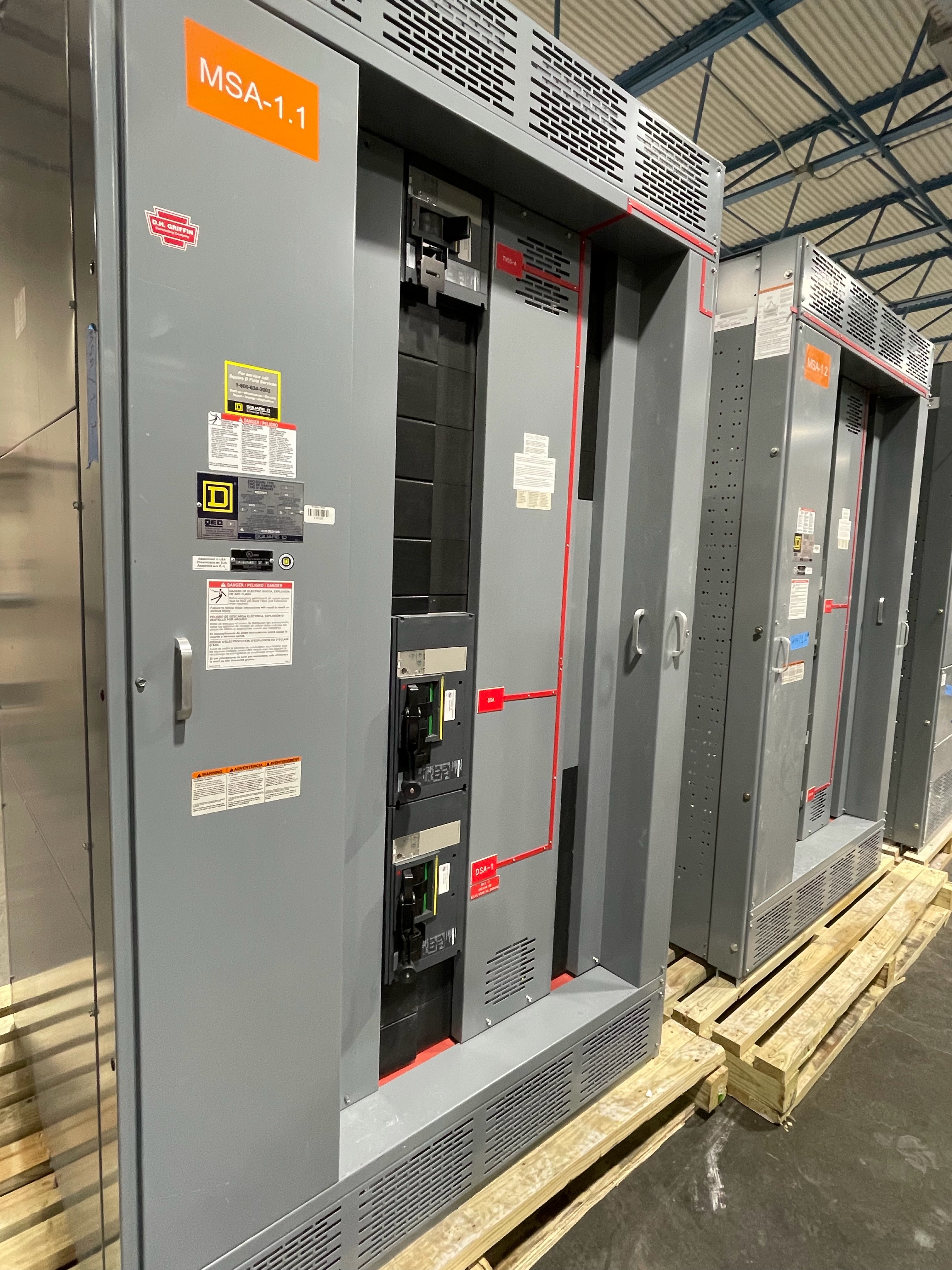
Define the retirement boundary before requesting an offer
Paralleling gear coordinates generator sources, but a retirement package can mean different things at different sites. Identify the switchgear or lineup proposed for purchase separately from generators, engine-mounted or remote controls, protective relays, cables, fuel equipment, and other backup-system assets. State whether each is included, excluded, or not yet determined; do not treat attached or adjacent equipment as automatically included. The site must first decide what can be released without impairing backup capacity needed for occupied areas, critical loads, or ongoing operations. A buyer’s assessment is not site authorization to isolate or remove equipment. Electrical work and release decisions remain with qualified, authorized personnel under site rules.
Use records to describe—not guess at—equipment
Useful existing records may include equipment schedules, one-line diagrams, asset lists, nameplate data, and available maintenance or decommissioning documents. Share only records the site is authorized to provide, and flag outdated drawings or uncertain identifications. If ratings are documented, keep nominal system voltage distinct from assembly voltage, continuous-current rating, device frame, trip rating, and interrupting rating; one value cannot stand in for another. Do not infer specifications from appearance or assume the lineup will suit another system. Missing, conflicting, or unavailable records can be noted as unknown. No seller testing, measuring, opening, or additional preparation is required to request a purchase assessment.
Consider what affects a used gear assessment
Assessment may depend on the proposed scope, documented identity and ratings, apparent exterior condition, completeness of the offered assets, and the practical limits of safe removal. A retired lineup with its controls included is a different offer scope from switchgear alone; generator inclusion must be explicit rather than assumed. Evidence of obsolescence or a prior operating role does not establish present condition, remaining life, or compatibility elsewhere. We make case-by-case cash offers for agreed purchases, with no guaranteed price, acceptance, or timing. The business buys used, surplus, and decommissioned equipment across all voltage classes; an individual item or package is not automatically accepted.
Make safe access the limit of any visual information
Photographs are optional and should show only safely accessible equipment exteriors or exterior labels and nameplates, taken from site-authorized safe positions. Never open a cabinet or take internal photographs. Do not approach, touch, operate, test, disconnect, remove, or move energized or potentially energized equipment to improve an assessment. If safe access is uncertain, omit the photograph and use existing records instead. Only qualified, authorized personnel may perform electrical work, and only under applicable site rules and release procedures. These boundaries protect the facility’s remaining backup systems and do not require a seller to prepare equipment for the buyer.
Agree on scope, payment, and removal responsibilities
For an agreed purchase, the buyer pays upfront and covers necessary crane, rigging, disconnects, loading, freight, and hauling, as defined in the agreement. The seller does not hire or pay a removal crew. Confirm in writing which assets are included, which remain in place, who controls site access, and what release conditions must be met before handover. Disconnects and all other electrical work must be performed by qualified, authorized personnel under site rules; the buyer’s logistics responsibilities do not override site authority. Each offer and acceptance is individually assessed; neither an offer amount nor a removal date is guaranteed.
Plan a handover without widening the project
Ask the site’s authorized decommissioning contact to establish an approved handover boundary and coordinate any required outage, access, escorts, and removal window. Keep equipment needed for surviving backup service outside that boundary unless separately reviewed and approved. A purchase agreement covers only its stated assets and logistics; it does not imply acceptance of every adjacent component, building demolition, or hazardous-material remediation. If the scope changes or an asset cannot be safely released, pause handover and obtain the required site decision rather than moving it. A clear boundary helps everyone coordinate the agreed equipment handover without adding unapproved work.
DECOMMISSIONING / THE COMPLETE SERVICE
From shut-down site to paid seller.
We buy electrical switchgear from decommissioned data centers and shut-down power plants. We handle all rigging and logistics: crane, rigging, disconnects, loading, freight and hauling are on us. Qualified personnel handle electrical disconnects and isolation according to site safety procedures. The seller does nothing but get paid.
We make cash offers, pay upfront, require no testing from the seller, and buy all voltage classes. Share the site and equipment details you know; photos are helpful only when they can be taken safely. Never open or touch energized equipment or disturb a live installation.