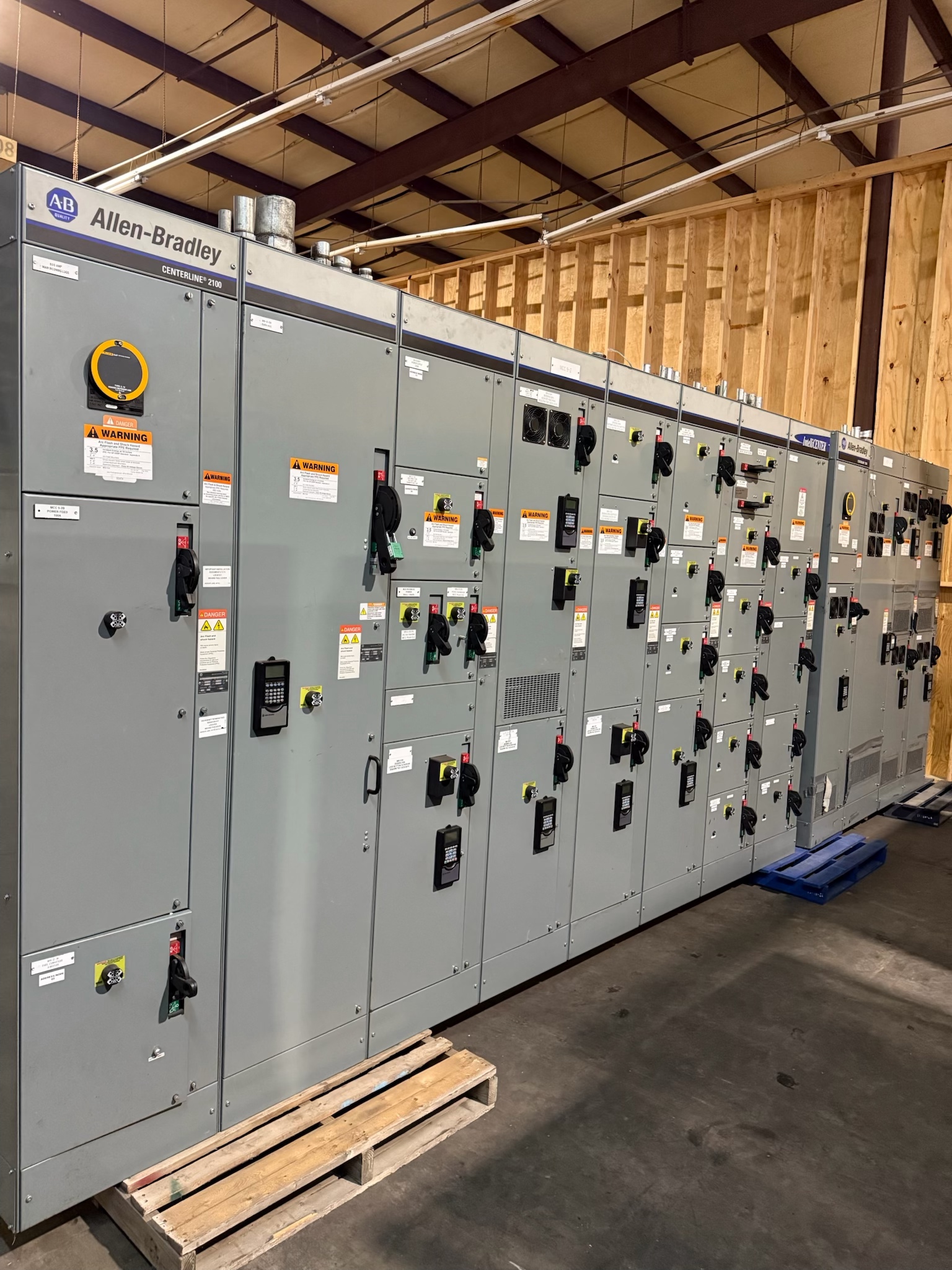
Keep the project reference separate from equipment ratings
A project description can help identify an opportunity, but it does not establish the ratings of every included item. A stated 2,400 V system value may describe nominal system voltage; equipment nameplate voltage is a separate record. Likewise, a 1,200 A reference could relate to an assembly, a device, or another project parameter. Treat each as unverified until supported by records tied to the specific equipment. Do not infer voltage class, compatibility, or availability from the project title, and do not combine ratings from separate documents into a single specification.
Read each rating in its own context
For a purchase assessment, distinguish nominal system voltage from equipment nameplate voltage and assembly continuous-current rating. Record breaker frame and trip markings separately; neither should be substituted for the other or treated as the assembly rating. Interrupting rating is also distinct and should be reported only when documented for the relevant device. A starter’s documentation does not automatically establish the switchgear lineup’s ratings, and one component’s label does not validate another component. Existing nameplate records, equipment schedules, drawings, and maintenance files can help clarify scope without asking the seller to measure or test anything.
Use available records and identify gaps plainly
Useful existing materials may include exterior nameplate information, single-line diagrams, equipment schedules, purchase or maintenance records, and project turnover documents. Keep each record linked to the item or section it describes; note when the relationship is uncertain. If records disagree, preserve the discrepancy rather than choosing the higher or more convenient value. Missing data is an unknown, not a reason to create a rating or presume compatibility. The buyer considers the available information individually and may request clarification about scope, condition, ownership, or access before deciding whether to make an offer.
Describe scope, exclusions, and starter boundaries
List the equipment being considered as clearly as existing records allow: for example, a lineup, identified sections, or separately documented starters. Distinguish included assets from retained, excluded, or unverified items, and flag missing components or uncertain boundaries. Do not assume that a motor-control project reference means every starter is included or that all equipment belongs to one assembly. The assessment is for equipment within an agreed purchase scope; it is not a commitment to accept every item on site. It also does not include unrelated demolition or hazardous-material remediation.
Share information without unsafe inspection
No seller testing is required to request an assessment. If images are useful and permitted, use site-authorized safe positions to photograph only accessible equipment exteriors and exterior labels or nameplates. Leave cabinets closed and never photograph their interiors. Energized or potentially energized equipment must not be approached, touched, opened, operated, tested, disconnected, removed or moved. All electrical work must be performed only by qualified, authorized personnel under site rules. If the equipment cannot be viewed safely from an authorized position, rely on existing records and arrange any access through the responsible site personnel.
Agree removal responsibilities before scheduling
For an agreed purchase, the buyer covers necessary crane service, rigging, disconnects, loading, freight, and hauling within the agreed scope. The seller does not hire or pay a removal crew. Confirm access conditions, site procedures, scheduling contacts, asset boundaries, and responsibility for any required approvals before logistics are arranged; do not treat an assessment as authorization to perform electrical work. Work remains subject to site rules and qualified, authorized personnel. Removal planning applies to the purchased equipment only and does not imply building demolition, site restoration, or remediation of hazardous materials.
Request an individual offer, not a rating-based promise
Provide the location in Georgia, a concise scope description, the records already available, known exclusions, and safe exterior photographs if authorized. The buyer purchases used, surplus, and decommissioned equipment across all voltage classes, including equipment from decommissioned data centers and shut-down power plants. For an agreed purchase, the buyer makes a cash offer and pays upfront. Each offer and acceptance is assessed individually; ratings alone do not establish an offer, acceptance, or timeline, and no price or timing is guaranteed. Share only information authorized for release by the site or equipment owner.