Define the retired path before discussing equipment
“UPS distribution” can refer to different assets along a protected power path: for example, a distribution board, panel, bypass assembly, or associated switchboard. Identify what is actually being considered using existing asset lists, one-line diagrams, labels, or retirement documents, if available. Those records can help distinguish outgoing distribution equipment from the UPS itself, battery cabinets, and upstream or downstream gear. A shared enclosure or unclear boundary is a reason to describe the uncertainty, not to assume every connected component is included. Each asset is assessed individually; submitting information does not guarantee an offer or acceptance.
Separate distribution from UPS units and batteries
The focus here is outgoing distribution equipment associated with a retired UPS path, not an assumption that the UPS, batteries, or complete electrical room are part of the purchase. Switchgear may also be excluded unless it is separately identified and assessed. A list should use the site’s existing equipment names and note which items are explicitly in scope, excluded, or uncertain. Do not ask site staff to open cabinets or inspect internal components to settle a boundary question. If records do not resolve it, share that limitation for review; the buyer may decline assets or propose terms only for an agreed scope.
Use records without turning ratings into guesses
Useful existing information may include equipment schedules, drawings, retirement inventories, exterior nameplate details, and prior service records already held by the site. Keep distinct any documented nominal system voltage, assembly or equipment voltage, continuous-current rating, device frame, trip setting or rating, and interrupting rating; these are not interchangeable. A missing value should remain unknown rather than be inferred from another label or from the UPS rating. No seller testing, measuring, or fabrication is required to request an assessment. Records may support evaluation, but they do not establish compatibility with another system or guarantee a purchase decision.
Release means authorized isolation, not a seller task
Before any agreed handover, the facility must define and authorize the equipment release under its own electrical safety, access, and work-control rules. All electrical work, including any required isolation or disconnection, must be performed only by qualified, authorized personnel under site rules. A seller must never approach, touch, open, operate, test, disconnect, remove, or move equipment that is energized or potentially energized. Do not treat a retired label, inactive-looking display, or planned shutdown as proof of a safe condition. The buyer’s assessment is not authorization to work, and no seller testing is required.
Protect facility information in photos and records
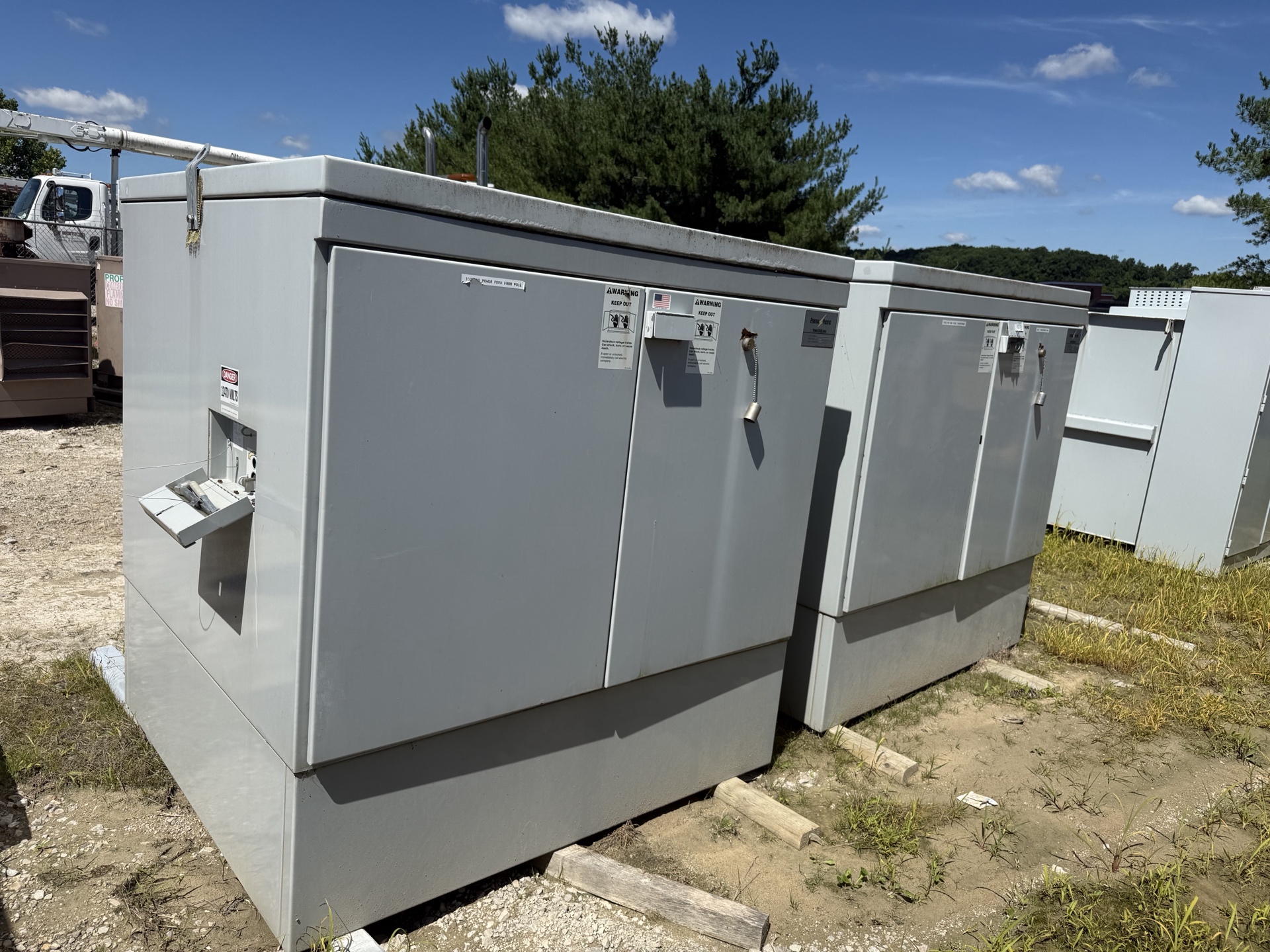
Photos are optional and should show only safely accessible equipment exteriors or exterior labels and nameplates, taken from site-authorized safe positions. Never open a cabinet or provide interior photographs; do not approach equipment to improve a picture. Follow facility approval and privacy rules before sharing any image or document, and avoid exposing access details, security layouts, network information, or other sensitive material. Existing redacted records can be useful where permitted. If a safe, authorized exterior view is unavailable, rely on approved records instead. Do not stage, move, or reposition equipment for photography.
Agree scope and logistics before removal
For an agreed purchase, the buyer covers the necessary crane, rigging, disconnects, loading, freight, and hauling under the agreed scope; the seller does not hire or pay a removal crew. The parties should confirm access permissions, site contacts, work windows, release boundaries, and any facility-specific safety controls before logistics are scheduled. No equipment should be moved until authorized site personnel release it and the agreed arrangements are in place. This purchase process does not include unrelated demolition or hazardous-material remediation. If access, condition, or scope changes, the purchase terms may need reassessment rather than an assumed removal plan.
Review an offer as an individual decision
The buyer makes cash offers and pays upfront for agreed purchases, with the specific terms confirmed for that transaction. Offer value and timing depend on the equipment identified, available records, scope, and logistics; neither a price nor a schedule is guaranteed. A practical request can state the Georgia site location, asset descriptions, known exclusions, available records, and any unresolved release questions without asking staff to test or prepare equipment. Share only information authorized for release. The buyer may make an offer, request clarification based on existing safe information, or decline an asset; no particular equipment is promised acceptance.
DECOMMISSIONING / THE COMPLETE SERVICE
From shut-down site to paid seller.
We buy electrical switchgear from decommissioned data centers and shut-down power plants. We handle all rigging and logistics: crane, rigging, disconnects, loading, freight and hauling are on us. Qualified personnel handle electrical disconnects and isolation according to site safety procedures. The seller does nothing but get paid.
We make cash offers, pay upfront, require no testing from the seller, and buy all voltage classes. Share the site and equipment details you know; photos are helpful only when they can be taken safely. Never open or touch energized equipment or disturb a live installation.