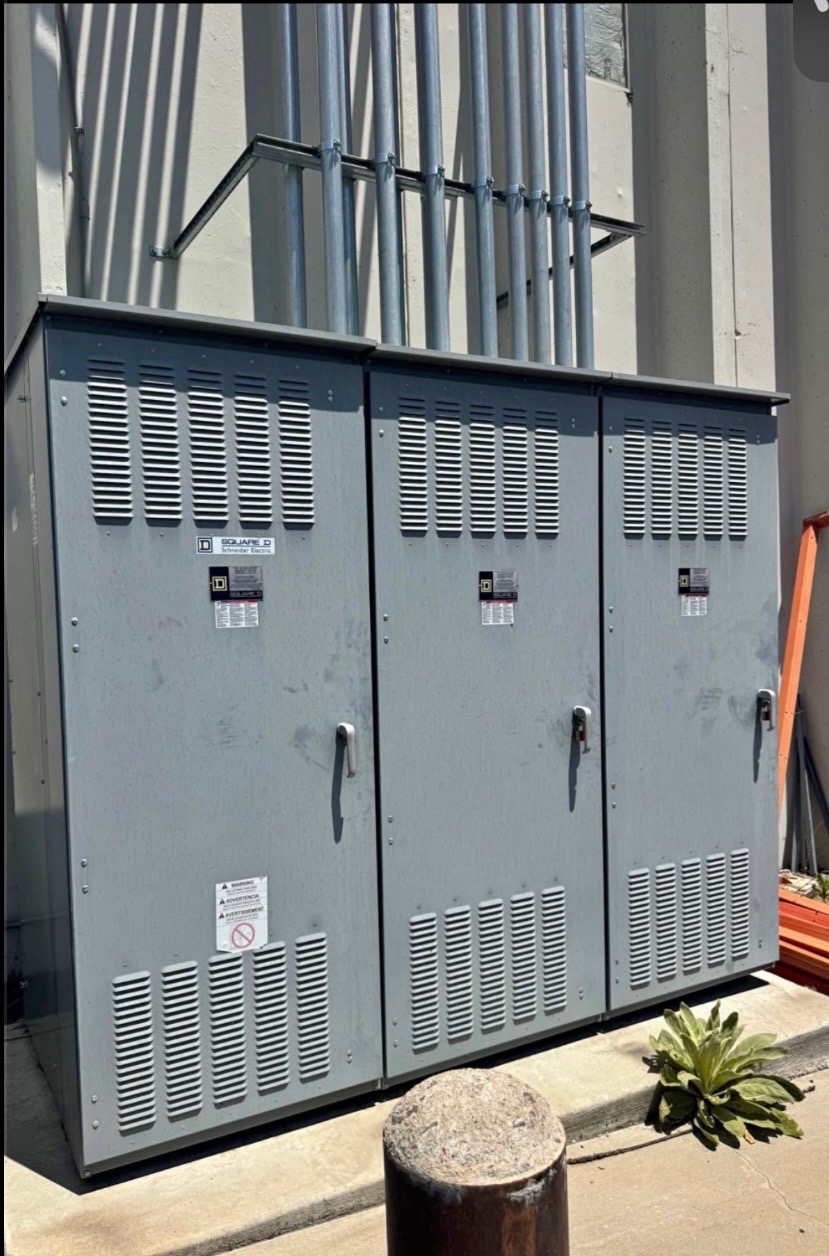
Define the retirement boundary before valuing equipment
Start with the decommissioning scope, not the visual appearance of the lineup. A switchgear assembly beside retired server loads may still support active redundancy, a temporary feed, or equipment scheduled for a later phase. Have the project’s authorized electrical and facilities personnel identify what is retired, what remains in service, and what depends on shared sections or controls. Record boundaries using approved drawings and asset identifiers, not assumptions based on adjacent gear. If a breaker is surplus but its section remains operational, selling that breaker separately may create a different scope from selling the complete assembly. Document the intended sale boundary and exclusions before requesting an assessment.
Protect active redundancy and sequence the handoff
Compare the proposed sale boundary with the facility’s approved transition plan. For example, if one lineup served both a retired room and a remaining critical load, the apparent surplus may not be separable until authorized personnel establish a replacement or revised operating arrangement. This is a planning question, not a reason for an unqualified person to inspect or manipulate equipment. Ask the project lead to confirm dependencies, isolation responsibilities, and the approved point at which the asset is released from operations. Record who authorizes the boundary and when it becomes available for removal. A buyer’s interest does not determine whether equipment is safe to disconnect or no longer needed.
Approve access and safeguard confidential information
Set access rules before arranging a site review or removal. Identify the site contact, permitted hours, escort requirements, security screening, and areas that are out of bounds; share only the information needed to assess the asset. Data-center labels, room layouts, one-line diagrams, and visible identifiers may reveal sensitive operational details. Decide what may be photographed or provided, and use approved redaction or controlled document sharing where appropriate. Photographs should be limited to safely accessible exterior nameplates and equipment, taken from authorized safe positions; no one should approach or handle energized gear to obtain them. Clarify whether a buyer may record asset identifiers and how site confidentiality requirements apply.
Describe the lineup accurately for an individual offer
Provide available records that distinguish the complete assembly from its component breakers and sections. Useful details may include manufacturer and nameplate information, breaker identifiers, bus or frame descriptions, trip-unit information, nominal voltage, and stated ratings—each is a separate characteristic, not a substitute for the others. Do not infer a rating from a breaker label or assume components are interchangeable. If records are incomplete, say so rather than commissioning seller testing; no seller testing is required. The buyer assesses each asset and offer individually, across all voltage classes, without a guarantee of acceptance or price. Ask what information is needed for an initial review and document any known exclusions or missing components.
Coordinate qualified disconnects and the physical route
Before scheduling removal, have qualified, authorized electrical personnel determine and perform the required disconnects under site rules. The seller need not perform electrical work, and no one should touch, open, operate, test, or move energized equipment. Separately map the lineup’s route from its installed position to the loading point: door clearances, turns, floor protection, overhead constraints, staging limits, and vehicle access can affect the plan. Confirm who approves the route and site controls. The buyer covers agreed disconnects, crane, rigging, loading, buyer-paid freight, and hauling as arranged for the assessed scope. This coordination does not include unrelated demolition or hazardous-material remediation.
Set sale authority, payment, and release terms
Only the owner or someone authorized to sell should approve the transaction. Before release, align the written scope with the documented asset boundary, exclusions, access conditions, removal responsibilities, and any confidentiality requirements. Ask how the cash offer and upfront payment are handled, and confirm payment arrangements before equipment is released; offers and logistics depend on individual assessment and are not guaranteed. The buyer purchases used, surplus, and decommissioned electrical equipment, including assets from decommissioned data centers and shut-down power plants. Keep a record of the authorized seller, agreed scope, and release approval. If ownership, operating status, or removal access remains unresolved, settle that issue before committing the lineup to sale.
DECOMMISSIONING / THE COMPLETE SERVICE
From shut-down site to paid seller.
We buy electrical switchgear from decommissioned data centers and shut-down power plants. We handle all rigging and logistics: crane, rigging, disconnects, loading, freight and hauling are on us. Qualified personnel handle electrical disconnects and isolation according to site safety procedures. The seller does nothing but get paid.
We make cash offers, pay upfront, require no testing from the seller, and buy all voltage classes. Share the site and equipment details you know; photos are helpful only when they can be taken safely. Never open or touch energized equipment or disturb a live installation.