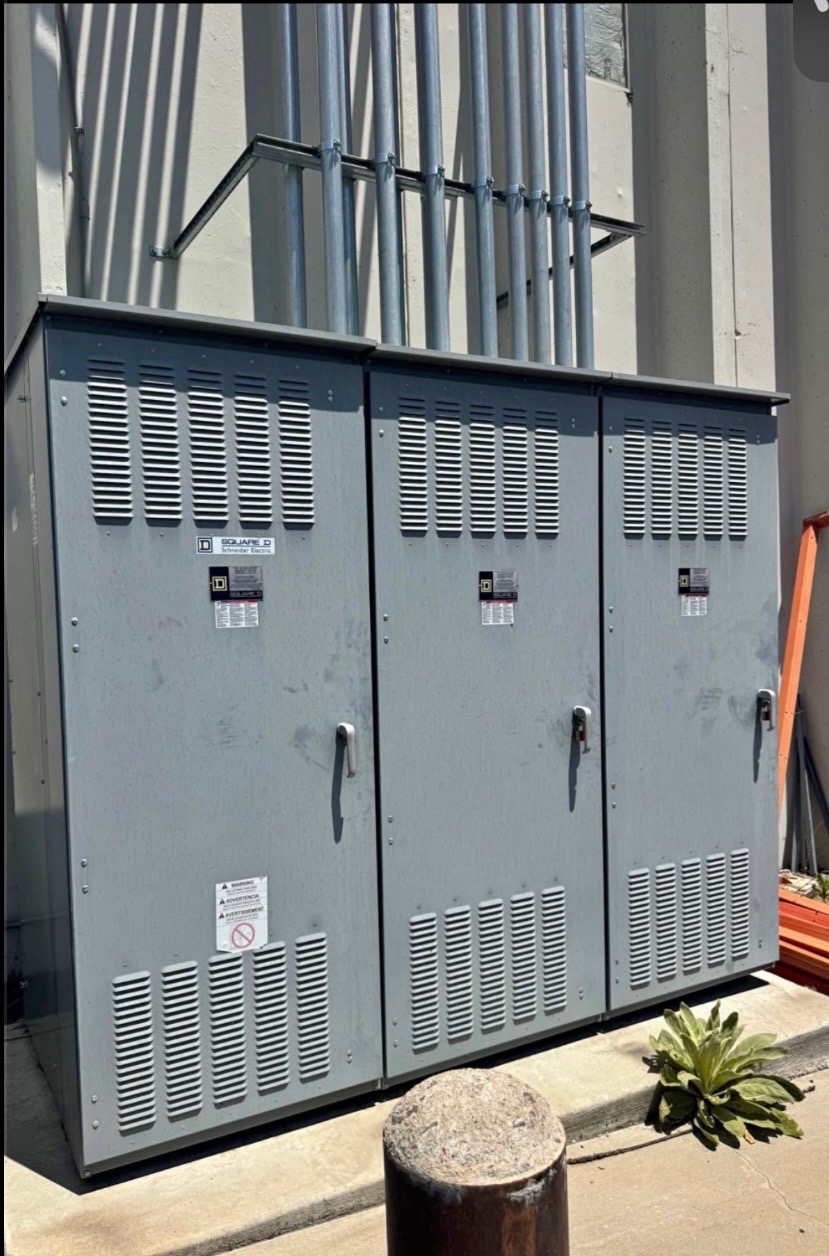
Define the retired path before listing assets
Build an initial asset list around the specific static transfer equipment proposed for sale, identifying its visible location and any associated cabinets or sections by existing labels or records. Distinguish that proposed asset from bypass cabinets, UPS equipment, distribution gear, and customer circuits that may be retained. Do not treat physical proximity, common labeling, or an old one-line diagram as proof that every item shares ownership or is available. The buyer can assess equipment from decommissioned data centers and shut-down power plants, but each proposed purchase is individually reviewed; listing an item does not guarantee acceptance. If boundaries remain uncertain, hold the item out of the proposed release until the owner and authorized site representatives resolve them.
Confirm title and release authority
Identify the legal owner of the equipment and the people authorized to approve its sale and release. Data center assets can involve a property owner, operator, tenant, customer, lender, or equipment lessor, and possession alone may not establish a right to sell. Check existing asset registers, purchase or lease records, decommissioning documents, and contract terms for ownership, liens, confidentiality, and disposal restrictions. Record who may approve the transaction, who controls access, and who can authorize contractor activity under site rules. The buyer needs a clear, independent release for the agreed assets; a sale assessment does not resolve disputes among stakeholders or authorize access to retained equipment, customer information, or restricted areas.
Use records without creating new testing work
Useful existing information may include exterior nameplate details, asset tags, drawings, maintenance records, and decommissioning status. When records state ratings, keep nominal system voltage separate from assembly voltage, continuous current, device frame, trip rating, and interrupting rating; do not infer one from another or assume compatibility. Share only records the owner is permitted to disclose, and mark unknown, unverified, or conflicting details plainly. No seller testing is required to request an assessment. Do not energize, operate, open, or test equipment for the buyer. If photographs are appropriate, take them only from site-authorized safe positions, showing safely accessible equipment exteriors and exterior labels or nameplates; never open a cabinet or photograph its interior.
Protect sensitive information and retained circuits
Static transfer equipment may sit near sensitive operating records, network information, customer identifiers, or diagrams that reveal retained circuits. Decide what can be shared before sending documents or photographs; redact restricted content while keeping relevant asset identification legible where authorized. Establish who may see the material and how it should be transmitted under the owner’s information-security rules. The proposed sale must not be treated as permission to access customer circuits or other retained assets. If a record combines sale candidates with live-site details, ask the authorized information owner to provide an approved excerpt or summary. Do not alter equipment labels, disconnect circuits, or enter controlled areas to improve the assessment package.
Agree on scope, cash terms, and removal responsibilities
For an agreed purchase, the buyer makes a cash offer and pays upfront under the agreed transaction terms. Acceptance, pricing, and timing are assessed individually, with no guaranteed offer or schedule. The written scope should identify the accepted assets, exclusions, release conditions, access windows, and the site contact authorized to coordinate work. Under an agreed purchase, the buyer covers necessary crane, rigging, disconnects, loading, freight, and hauling; the seller does not hire or pay a removal crew. This is not a commitment to buy every listed item, demolish unrelated structures, or remediate hazardous materials. Any required electrical work must be performed only by qualified, authorized personnel under site rules and applicable approvals.
Plan a controlled handover, not seller handling
Before any physical work, the owner and authorized site team should establish the release boundary, safety controls, permitted work window, access route, and responsibilities for site coordination. Never approach, touch, open, operate, test, disconnect, remove, or move equipment that is energized or potentially energized. Do not ask the seller to stage or handle equipment. Electrical work and any approved disconnects are for qualified, authorized personnel under site rules; the buyer’s removal arrangements apply only after an agreed purchase and authorized release. Confirm that retained bypass, UPS, and customer-circuit assets remain protected from the work area. A Georgia assessment can begin with permitted records and safe exterior information, while final logistics remain subject to site approval and the individual agreement.
DECOMMISSIONING / THE COMPLETE SERVICE
From shut-down site to paid seller.
We buy electrical switchgear from decommissioned data centers and shut-down power plants. We handle all rigging and logistics: crane, rigging, disconnects, loading, freight and hauling are on us. Qualified personnel handle electrical disconnects and isolation according to site safety procedures. The seller does nothing but get paid.
We make cash offers, pay upfront, require no testing from the seller, and buy all voltage classes. Share the site and equipment details you know; photos are helpful only when they can be taken safely. Never open or touch energized equipment or disturb a live installation.