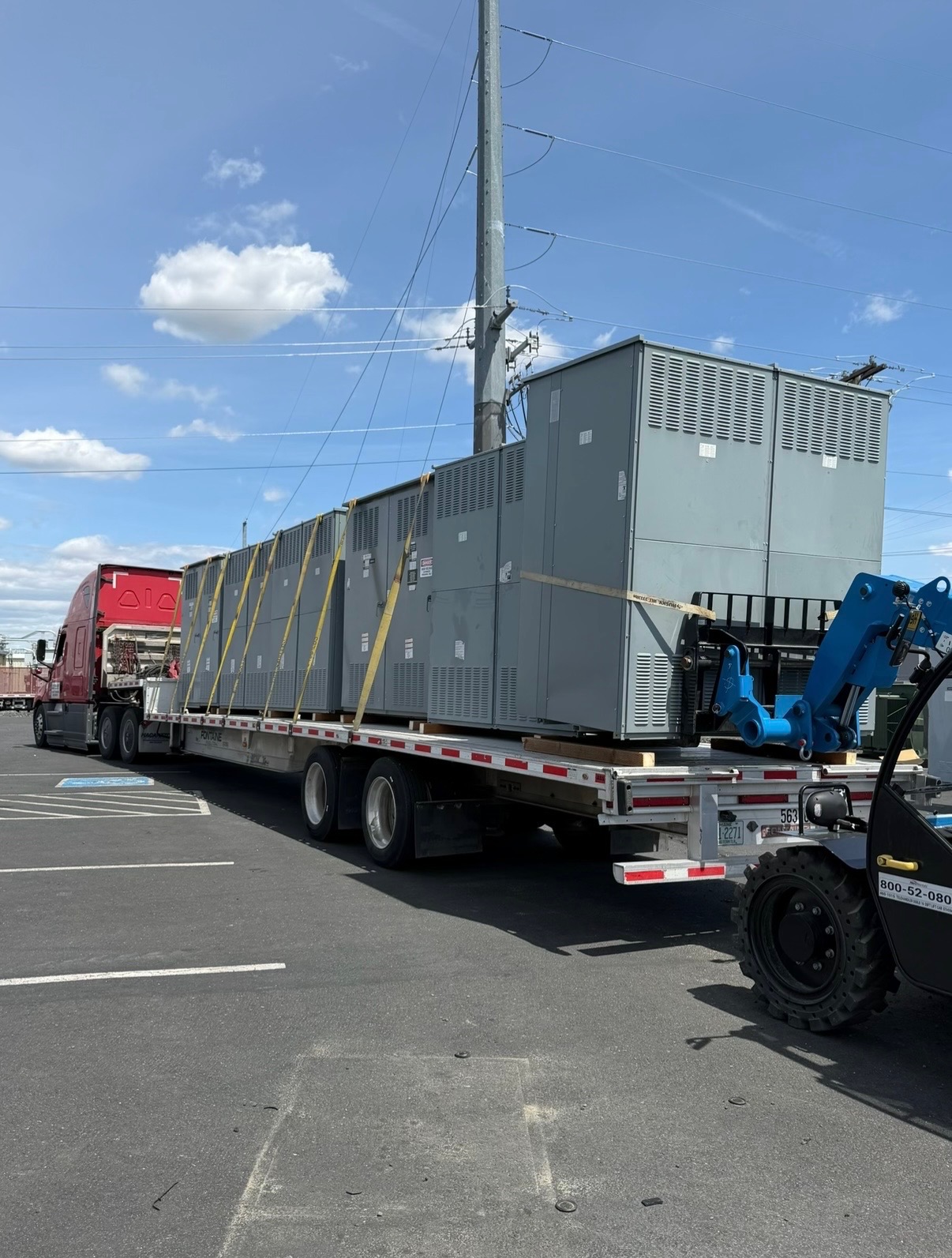
Confirm what the voltage figure describes
A site record may describe a nominal 13,800 V system, while a switchgear nameplate identifies an equipment voltage rating. Those are different facts and should not be treated as interchangeable. Share the wording and source of each existing record, if available; do not infer the equipment’s voltage class, application, compatibility or market availability from a listing phrase or system description. The equipment nameplate, drawings and other records may clarify what is documented, but unresolved differences remain part of the assessment. Do not approach equipment to obtain details; use records already safely available.
Separate current, frame and trip information
A recorded 1,200 A entry is not enough to identify which rating it represents. It could refer to an assembly continuous-current marking, a device frame entry, a trip setting or another record field. These values have distinct meanings and must not be substituted for one another. An existing nameplate image or document may support a specific rating, but do not assume a breaker rating, interrupting rating or suitability from the 1,200 A figure. If the records do not resolve the distinction, report it as unknown rather than commissioning tests or measurements for a purchase inquiry.
Establish who owns the outdoor lineup
Before discussing an asset, identify the legal owner and the party authorized to approve its sale. An outdoor lineup may be customer-owned, leased, shared, or subject to utility, lender, landlord or other contractual interests; the actual arrangement depends on the site. Gather existing asset records or authorization documents if they are readily available, and disclose any known ownership limits or removal conditions. The buyer’s review does not establish title or override site rules. If authority is unclear, resolve it through the responsible parties before accepting any offer or scheduling a handover.
Send existing information without creating new work
A useful first submission can include the Georgia site location, general outdoor configuration, known ownership status, available equipment descriptions, and the source and wording of voltage and current entries. Existing drawings, inventories and service records can help distinguish confirmed facts from assumptions. Photos are optional and must show only safely accessible equipment exteriors or exterior labels and nameplates, from site-authorized safe positions. Never open a cabinet or take internal photographs. Do not approach, touch, operate, test, disconnect, remove or move equipment that is energized or potentially energized. No seller testing is required.
Make the unknowns and exclusions explicit
Record gaps, uncertain ratings, missing components, condition questions and access restrictions should be stated plainly; they are not reasons to invent specifications. A buyer may ask for clarification based on existing information, but each offer and acceptance is assessed individually, and no asset is guaranteed acceptance. An agreed equipment purchase does not automatically include unrelated demolition, building work or hazardous-material remediation. Identify such work as outside the equipment transaction unless separately agreed, and follow site controls for any existing hazards. Electrical work must be performed only by qualified, authorized personnel under applicable site rules.
Plan removal responsibilities before acceptance
For an agreed purchase, necessary disconnects, crane support, rigging, freight, loading and hauling are covered by the buyer. The seller does not hire or pay a removal crew. Scope, access, timing and responsibilities should be confirmed before work is scheduled; site authorization and safety requirements still govern. Do not prepare, stage, disconnect or move the lineup yourself. Any electrical work must be done by qualified, authorized personnel under site rules, and no one should handle energized or potentially energized equipment. These arrangements apply to agreed purchases, not to assets that have not been accepted.
Evaluate the offer as an individual transaction
After reviewing the available records, ownership information, access constraints and proposed scope, the buyer may make a cash offer for equipment it is willing to purchase. Payment is made upfront for an agreed purchase, with transaction terms confirmed between the parties. Neither the 13,800 V system description nor a 1,200 A entry guarantees an offer, acceptance, amount or schedule. We consider used, surplus and decommissioned equipment across all voltage classes, including assets from decommissioned data centers and shut-down power plants. Share only information safely available; no seller testing or preparation is required.