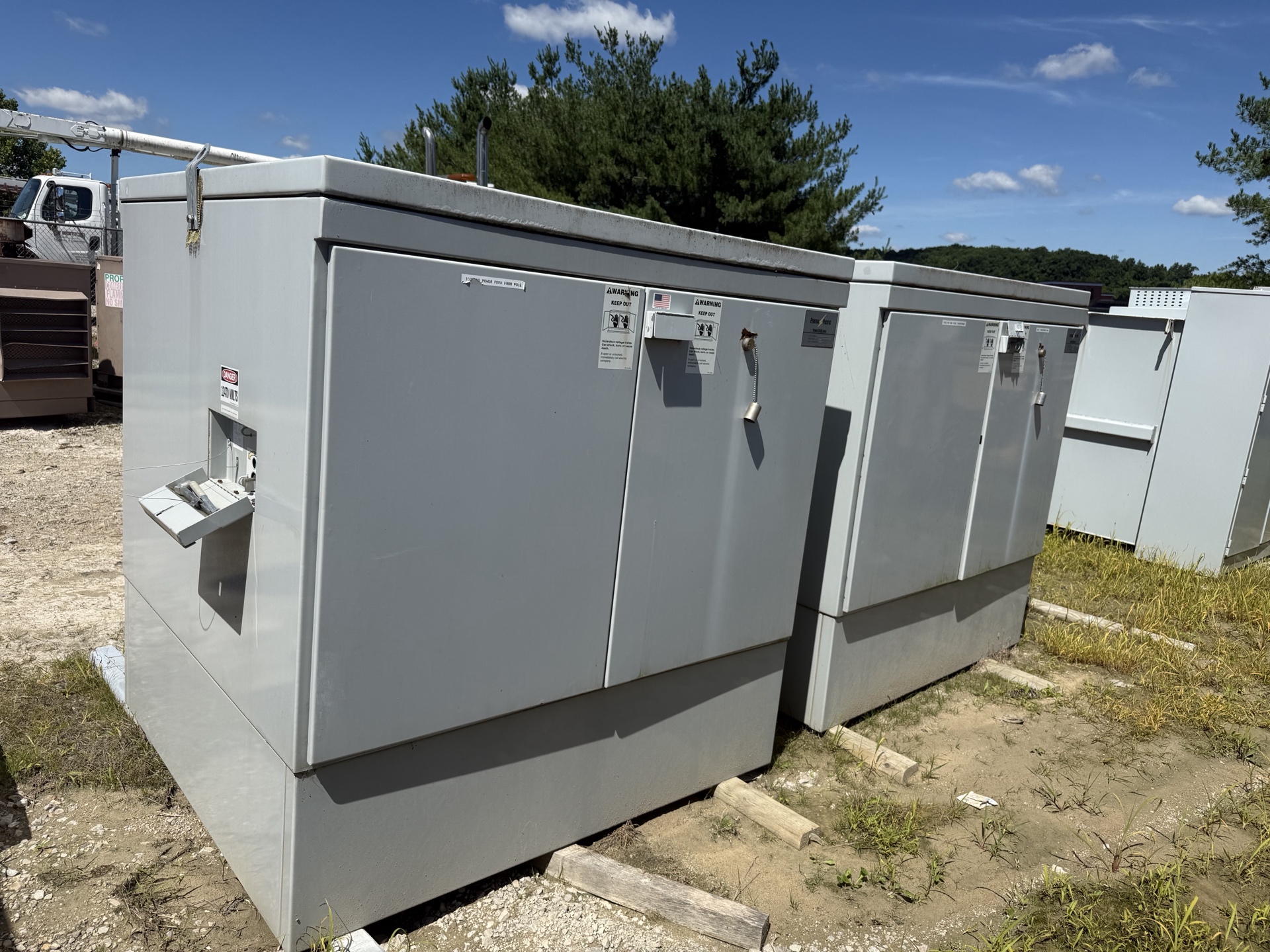
Separate saleable stock from handback obligations
Start with the lease, project closeout documents, and any landlord or successor inventory schedule. A GE marking identifies what can be seen; it does not establish who owns an item or whether it must remain in place. For example, a project may include boxed surplus breakers while a separate installed assembly is designated for handback. List those as distinct groups and exclude anything the seller is not authorized to sell. Confirm ownership or authority for each group before requesting an offer, and flag disputed or reserved items rather than treating the whole room as one lot.
Define the package at the item level
Describe quantities and packaging precisely enough to prevent a disagreement at collection. Distinguish sealed cartons, opened cartons, loose components, and equipment still mounted or staged; give counts by item and, where legible from a safe position, record visible identifiers. A line such as “eight cartons, three opened, two loose units” is more useful than “surplus GE stock.” Note whether cartons contain mixed items only if that is known without opening or handling them. State which shelves, pallets, containers, or unrelated project materials are excluded, and photograph only safely accessible exteriors and visible nameplates from an authorized safe position.
Use visible markings as identification, not a specification
Record the exact GE wording visible on an exterior nameplate or packaging, along with any legible catalog or serial text, without inferring product family, ratings, or compatibility. A breaker, trip unit, bus component, and complete assembly are different sale descriptions; a frame designation is not itself a trip rating. If labels are partly obscured, say so rather than guessing. Do not open cartons, remove covers, approach equipment, or arrange photographs around energized gear. Any access or electrical work must be handled by qualified, authorized personnel under site rules; the buyer does not require seller testing.
Explain condition and uncertainty honestly
For each inventory line, distinguish known facts from unknowns: packaging intact or damaged, visible corrosion or impact marks, apparent completeness based on existing records, and whether storage conditions are documented. Avoid calling equipment tested, operational, unused, or complete unless reliable records support that description. No seller testing or preparation is required. If the stock includes different voltage classes, identify them only from safe, legible records or labels; the buyer considers equipment across all voltage classes, but each asset and offer is assessed individually. Missing documentation should be disclosed, not converted into a claim about suitability or acceptance.
Make the handover deadline operational
A firm lease deadline changes the decision from “what might this be worth?” to “what can be agreed, cleared, and documented before access ends?” Share the required vacate date, permitted collection windows, site access process, and any landlord escort or loading restrictions early. Ask whether a proposed collection plan can fit those conditions before committing to a sale. Do not assume a particular timetable or acceptance. If some items must remain after the deadline, separate them from the sale lot and document who retains responsibility, so a late collection does not put reserved inventory or lease compliance at risk.
Compare net proceeds with the cost of site clearance
For eligible stock, the independent buyer offers cash and pays upfront under the agreed transaction terms. The buyer also covers freight, crane, rigging, disconnects, loading, and hauling when those services apply to the accepted scope. Compare the written offer and scope with any alternative that leaves the seller arranging logistics, but verify exactly which items and services are included. Electrical disconnects and other technical work belong to qualified, authorized personnel operating under site rules. The seller should not disconnect, move, or prepare equipment; equipment-specific access and removal arrangements must be agreed rather than assumed.
Document the final lot and release
Before handover, reconcile the accepted inventory against the itemized list, including quantities, exclusions, packaging, visible identifiers, and the agreed collection conditions. Keep a copy of the offer and any written change to the lot; a substitute carton or added loose component can alter what is being sold. Confirm that the person signing has authority and that the transaction does not include landlord-owned or successor-designated property. If the count differs, pause the discrepancy for review instead of silently expanding the sale. A clear record protects both sides while leaving technical assessment and any removal work to authorized personnel.