Separate breakers by identity, not appearance
List each loose breaker individually when its markings differ, even if several look alike or share a manufacturer name. Record the visible label wording, model or catalog identifier when legible, pole count only when documented, and quantity of each identical-looking group. A frame marking is not a trip setting: frame and trip ratings are distinct, and neither should be inferred from the other. Do not assume breakers with similar dimensions or labels are interchangeable. If identification is incomplete, state that plainly rather than filling gaps from memory or visual resemblance.
Keep rating terms distinct
Existing records may identify nominal system voltage, assembly voltage, continuous current, device frame, trip rating, or interrupting rating. These are separate facts, not substitutes for one another. Report a value only when a label, record, or other existing documentation supports it, and identify the source where practical. Do not interpret a frame value as a trip setting, infer a system voltage from a breaker label, or claim compatibility with a panel or switchboard based on appearance. The buyer can assess documented information and unknowns individually; no seller measurement or testing is needed to request review.
Gather records already on hand
Useful existing material can include inventory lists, purchase records, maintenance documents, decommissioning schedules, or prior asset registers. A spreadsheet can show one line per distinct breaker identity, with separate columns for quantity, label text, condition as already known, and record references. Avoid representing undocumented storage history or service condition as verified fact. For breakers from a broader surplus lot, distinguish items that are actually identified from those that remain unknown. A buyer may consider equipment of all voltage classes, including equipment from decommissioned data centers and shut-down power plants, subject to an individual purchase assessment.
Use safe exterior information only
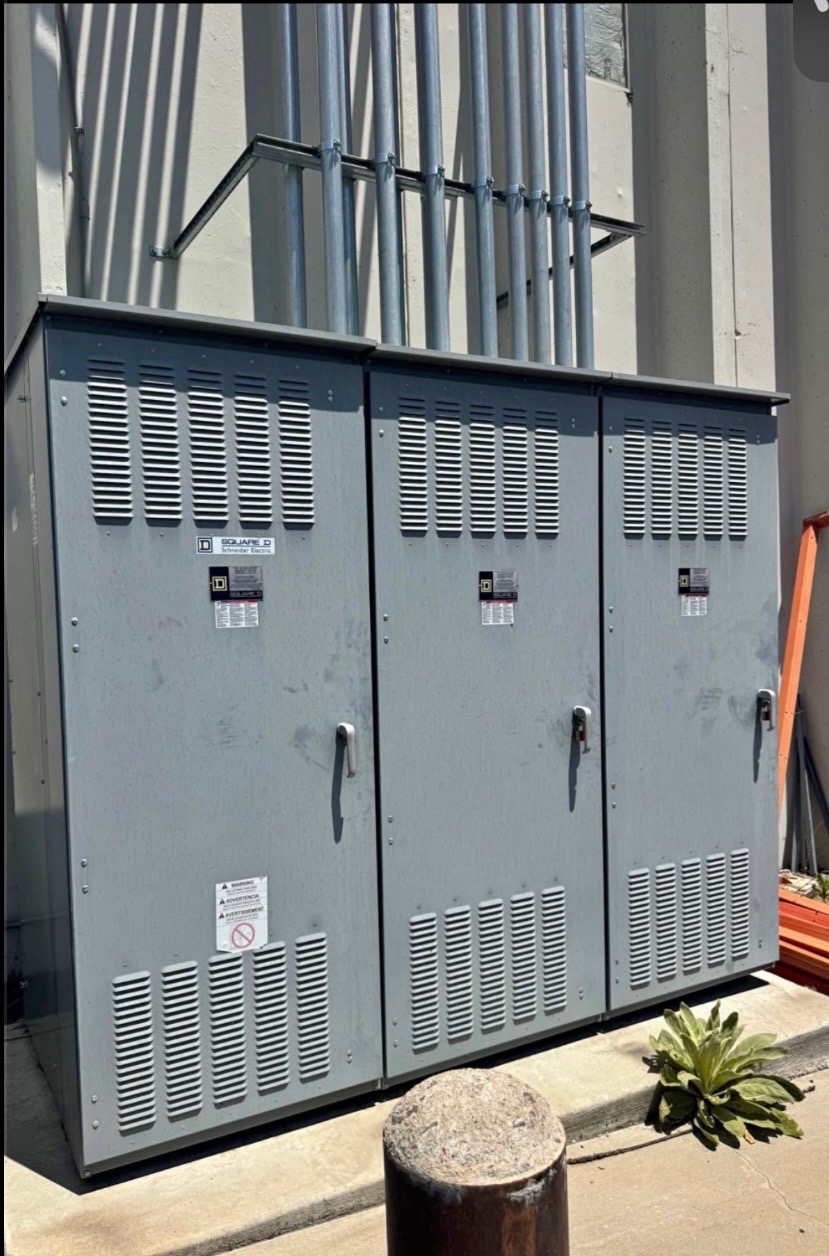
Photos are optional and should show only safely accessible equipment exteriors and exterior labels or nameplates, from positions authorized by the site. Never open a cabinet or take internal photographs. Do not approach, touch, open, operate, test, disconnect, remove, or move any breaker or assembly that is energized or potentially energized. Do not ask site staff to perform those actions for a quote. Any electrical work, if separately authorized and required under site procedures, must be performed only by qualified, authorized personnel under the site’s rules. A photo cannot establish internal condition or compatibility.
Describe condition without creating extra work
State what is already known, such as whether items are stored loose, boxed, or recorded as surplus, and flag broken, missing, or unreadable exterior labels only if that is already apparent from a safe position. Do not clean, dismantle, sort by touching, or arrange breakers for photography. The seller does not need to test breakers, fabricate pallets, or prepare equipment to ask for a purchase assessment. Unknown operating history, internal condition, and interrupting capability should remain unknown unless existing records support a statement. An assessment may exclude items or propose terms specific to the identified lot.
Agree scope and removal responsibilities
If the buyer and seller agree to a purchase, the buyer makes a cash offer and pays upfront for that agreed purchase under the agreed terms. For an agreed purchase, the buyer covers necessary crane, rigging, disconnects, loading, freight, and hauling; the seller does not hire or pay a removal crew. Scope, access, timing, and responsibilities must be agreed individually, with site rules governing all work. No offer guarantees acceptance of every breaker, a particular price, or a particular schedule. This purchase arrangement does not include unrelated demolition or hazardous-material remediation.
Make the handover conditional on authorization
Before any scheduled collection, confirm in writing which identified items are included, who can authorize access, and the site’s safety and dispatch requirements. Leave equipment in place until the agreed plan is approved and qualified personnel are authorized to perform any required electrical work. Never stage, rack out, lift, or move a breaker that may be energized. If safe access or condition cannot be established under site rules, pause the handover and resolve that through authorized site personnel. A practical record of the agreed inventory and responsibilities helps prevent confusion without requiring seller testing or handling.