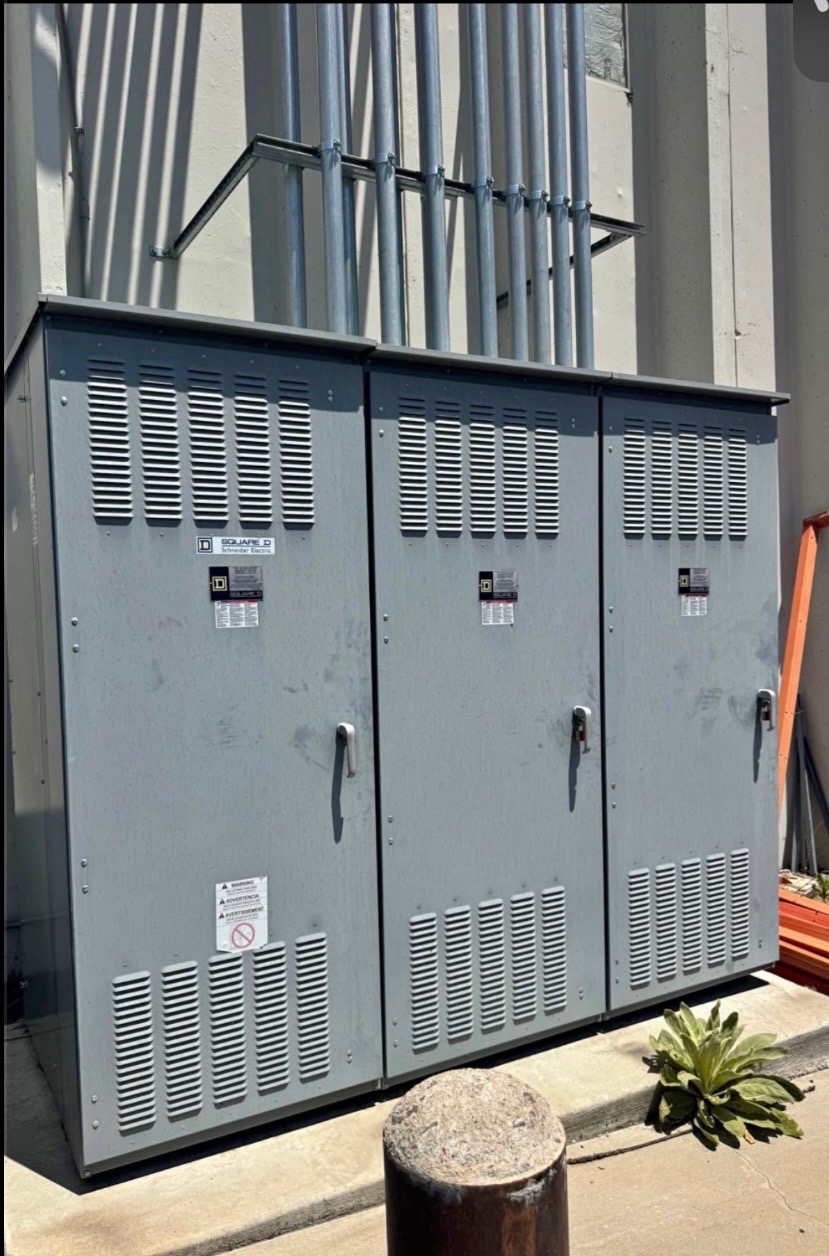
Separate the lineup from the backup system
Paralleling switchgear coordinates sources and loads within a backup-power arrangement, but a proposed lot need not include every associated asset. List the switchgear sections, bus or tie sections, and any devices or accessories only where existing records or safe exterior identification support those descriptions. State whether generators, separate control cabinets, transformers, cables, and building distribution gear are excluded or offered separately. A redesign can retain generators and controls while releasing a lineup, or change that boundary; do not assume the equipment is interchangeable or that the buyer will take the entire system. Clear boundaries help prevent disputes about retained connections and assets.
Build the assessment from existing records
Useful documentation may include available one-line diagrams, equipment schedules, prior inventories, and service or decommissioning records. Share only records you are authorized to disclose, and label them with their dates or known revision status. If ratings appear, keep categories distinct: nominal system voltage is not assembly voltage; continuous current is not a device frame or trip rating; interrupting rating is a separate value. Report each only when an existing record supports it, and identify missing or conflicting information rather than filling gaps. No seller testing is required to request a purchase assessment. The buyer considers each offer independently and does not guarantee acceptance, price, or timing.
Describe condition without testing or opening gear
Condition notes can identify what is already known: visible exterior damage, incomplete sections, known water exposure, or missing records, without presenting an unverified diagnosis. Do not operate, test, open, touch, or approach equipment that is energized or potentially energized. Electrical work is only for qualified, authorized personnel acting under site rules. If photographs are permitted, limit them to safely accessible equipment exteriors and exterior labels or nameplates, taken from site-authorized safe positions. Never open a cabinet or take internal photographs. A lack of test results is not a reason to arrange seller testing; the buyer can review the proposed lot and available information as presented.
Make exclusions and release boundaries explicit
Identify what is not part of the proposed sale, including retained generators or controls, adjacent distribution equipment, building systems, and any assets owned or controlled by another party. Separately describe site-release conditions such as access approval, required escort, permitted work windows, and any known documentation or security procedures. These are planning details, not permission for anyone to disconnect or remove electrical equipment. Do not promise that the buyer will accept every section, assume responsibility for unrelated demolition, or undertake hazardous-material remediation. If an exclusion or ownership boundary is unresolved, flag it before an offer is considered. Acceptance and terms depend on an individual assessment and agreement.
Plan removal only after an agreed purchase
For an agreed purchase, the buyer covers necessary crane, rigging, disconnects, loading, freight, and hauling under the agreed scope; the seller does not hire or pay a removal crew. Electrical disconnects and related electrical work must be performed only by qualified, authorized personnel under site rules. Do not ask site staff to prepare equipment, stage it, or move it to facilitate an inquiry. The parties should establish access, work coordination, custody, and release boundaries before any authorized removal begins. No one should approach, touch, operate, test, disconnect, remove, or move energized or potentially energized equipment. Removal logistics are not a promise of demolition or site restoration.
Evaluate payment and the complete offer
The buyer makes cash offers and pays upfront for agreed purchases. That does not establish a guaranteed price or deadline: each proposed lot, its records, exclusions, and release conditions are assessed individually before acceptance. The buyer purchases used, surplus, and decommissioned electrical equipment across all voltage classes, including equipment from decommissioned data centers and shut-down power plants. Those categories describe purchasing scope, not acceptance of a particular Savannah-area asset. A useful inquiry identifies the equipment boundary, known documentation, what must remain, and the authorized contact for site-release planning. With that context, both parties can determine whether an offer and removal plan can be agreed without seller testing or a seller-paid crew.