A practical buyer for retired plant switchgear
Power-plant electrical rooms can contain complete lineups, individual breakers, motor control equipment, protective and control cabinets, bus sections, transformers, automatic transfer equipment, and stored spares. A shutdown may leave some gear installed, some gear already disconnected, and other items staged in a warehouse or laydown area. We review the actual equipment available rather than requiring the seller to turn an incomplete inventory into a technical report.
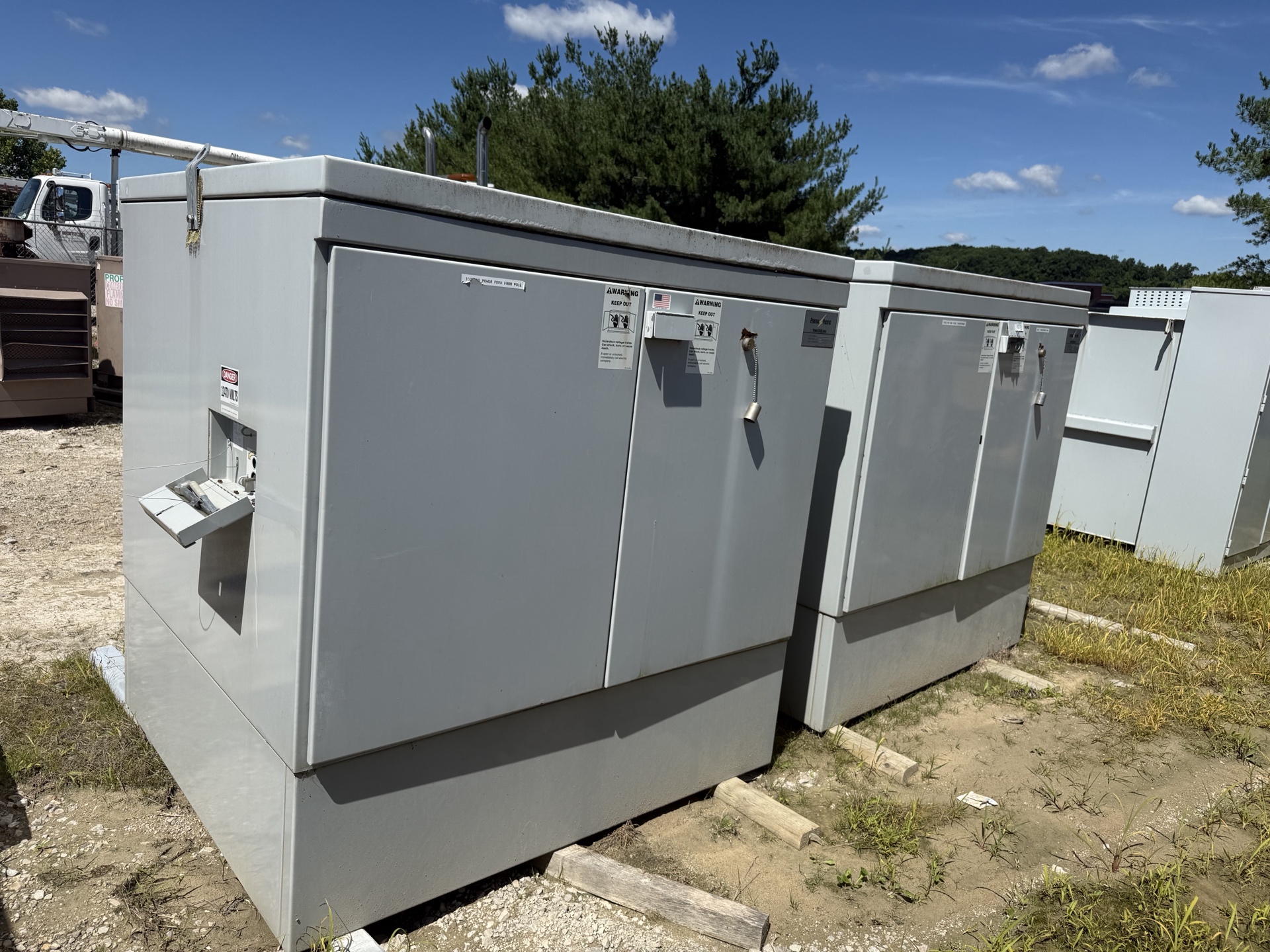
We buy across all voltage classes. The voltage, configuration, condition, completeness, and release circumstances help us evaluate an offer, but the seller does not need to test the equipment to start the conversation. Clear exterior photographs, nameplate information, approximate dimensions, and a straightforward description of what is present are useful. If a label is faded or a model is uncertain, say so instead of guessing.
Confirm who can authorize the sale
Decommissioning sites often involve several parties: an owner, plant operator, asset manager, lender, general contractor, electrical contractor, or auction and liquidation representative. Before pickup, identify the person or company authorized to sell the equipment and the site contact who can approve access. This distinction helps prevent a valuable lineup from being treated as abandoned property or moved before ownership is clear.
- List the equipment owned by the selling entity, with separate notes for leased, borrowed, or contractor-owned items.
- Record whether the equipment is still installed, disconnected, staged, or stored separately.
- Identify any planned release date, access window, security process, or requirement for advance notice.
- Keep photographs and labels tied to a room, lineup, or lot so the buyer can match the equipment at pickup.
Describe the electrical asset without opening it
A useful inventory does not require the seller to remove covers, operate breakers, or inspect internal compartments. Photograph the outside of each lineup or cabinet from a safe location, including nameplates, warning labels, lineup tags, breaker faceplates, and visible shipping or storage markings. Note the number of sections, approximate height and width, and whether loose breakers, relays, fuses, control power components, or bus pieces are included.
For a power plant teardown, context matters. A medium-voltage lineup, low-voltage switchboard, generator paralleling equipment, excitation or control cabinet, and motor control center may be located together but should not automatically be described as one complete system. Tell us which pieces remain connected, which parts are missing, and whether a previous contractor removed cables or auxiliaries. Those facts affect the scope of review without requiring the seller to prove that the equipment works.
Safety remains with qualified personnel
Never open, test, disconnect, or handle energized equipment for the purpose of obtaining an offer. The seller should not enter restricted electrical areas or attempt to make a lineup safe. Qualified personnel coordinate the electrical disconnects and confirm the conditions required for removal. Seller photographs and records should be limited to what can be gathered safely and lawfully from an accessible location.
Full-service removal keeps the teardown moving
Removing plant switchgear is more than putting cabinets on a truck. Large sections may need a planned route, temporary protection, lifting points, a crane or other suitable rigging, and coordination with doors, corridors, overhead clearances, and the loading area. Our team handles crane, rigging, electrical disconnects, loading, freight, and hauling. The seller does not need to find a separate rigger, arrange a freight carrier, or dismantle the equipment before we arrive.
When requesting an offer, share practical access details rather than making an optimistic assumption about the truck. Useful information includes the equipment's current level, door and gate dimensions, whether a dock is available, surface conditions near the loading point, overhead obstructions, parking or escort requirements, and any hours when freight movement is permitted. If access changes as demolition or decommissioning proceeds, update the schedule early so the removal plan can be coordinated with the site.
- Tell us whether the lineup is in place or already staged for pickup.
- Provide approximate dimensions and weights when available, while identifying estimates as estimates.
- Explain whether a crane can be positioned on the property or whether another rigging approach must be planned.
- Share the planned shutdown or release window without promising access that has not been approved.
- Identify site rules for badges, escorts, induction, traffic control, and loading supervision.
What the seller can expect from the transaction
We buy the equipment rather than asking the seller to market it to multiple end users. We can review used, surplus, and decommissioned equipment from a shut-down power plant and make a cash offer based on the information available. Seller testing is not required. Once the terms and authority are confirmed, we pay upfront and coordinate the removal work, freight, and hauling. The seller gets paid without taking on the burden of arranging each trade and transport step.
An offer is easier to assess when the inventory separates complete sections from loose components and identifies known exclusions. Include equipment that is available as a lot as well as items that may be offered individually. If a plant has several voltage levels or rooms, group the photographs and descriptions by area. This helps preserve traceability during a phased release and makes it clear which equipment is actually included.
Power-plant shutdown decisions to make early
Before the last operating areas are restricted, decide who will maintain access records, who can release equipment, and when the electrical contractor can make the assets available. A seller may be coordinating a larger shutdown while also trying to clear an electrical room; separating the equipment purchase and removal plan from unrelated demolition decisions keeps responsibilities clear. We focus on buying and removing the electrical equipment described in the offer. We do not claim to perform unrelated demolition or hazardous-material remediation.
Whether the plant is empty, partly cleared, or awaiting a final removal sequence, send the available information rather than waiting for a perfect catalog. A few accurate exterior photographs, a room or lineup reference, known voltage information, and the authorized contact can establish a useful starting point. Our qualified team can then coordinate the safe electrical work and logistics with the people who control the site, while the seller avoids testing or handling equipment and receives an upfront cash transaction.
DECOMMISSIONING / THE COMPLETE SERVICE
From shut-down site to paid seller.
We buy electrical switchgear from decommissioned data centers and shut-down power plants. We handle all rigging and logistics: crane, rigging, disconnects, loading, freight and hauling are on us. Qualified personnel handle electrical disconnects and isolation according to site safety procedures. The seller does nothing but get paid.
We make cash offers, pay upfront, require no testing from the seller, and buy all voltage classes. Share the site and equipment details you know; photos are helpful only when they can be taken safely. Never open or touch energized equipment or disturb a live installation.