Separate system context from the asset offered
A drawing or equipment list may connect auxiliary distribution to a black-start arrangement without proving that a specific switchboard, panel, or protective device performed a particular function. The item being assessed is the identifiable equipment offered, not the complete generating or starting system described in plant records. Useful context can include an existing one-line diagram, asset register, retirement list, or available equipment schedule. Share only records that may be provided under site policy, and flag uncertain links between a document and an asset. A buyer may assess a retired item without making operational claims about the former plant, its starting sequence, or the equipment’s present condition.
Records that help without requiring new tests
Existing nameplate information, equipment schedules, drawings, maintenance files, and decommissioning inventories can help distinguish an assembly from devices mounted within it. Report each rating only where a record supports it: nominal system voltage, assembly voltage, continuous current, device frame, trip setting or rating, and interrupting rating are separate details, not interchangeable descriptions. If a value is missing, illegible, or inconsistent across records, identify it as unknown rather than estimating it. No seller testing or new measurements are required to request an assessment. A record-based review can still identify gaps; it does not verify condition, suitability, or compatibility with another system.
Scope, exclusions, and the commercial review
Describe what is included in the proposed purchase as specifically as current records allow: for example, an identified distribution assembly and any separately listed devices or accessories. Note items that are excluded, already removed, or subject to another party’s ownership or site controls. Do not assume that associated cabling, foundations, controls, or other plant equipment are part of the transaction. Each offer and acceptance is assessed individually, and an inquiry does not guarantee an offer, acceptance, price, or schedule. For an agreed purchase, the buyer makes a cash offer and pays upfront under the agreed terms. This is a purchase assessment, not a commitment to accept every asset or perform broader site work.
Safe identification and site boundaries
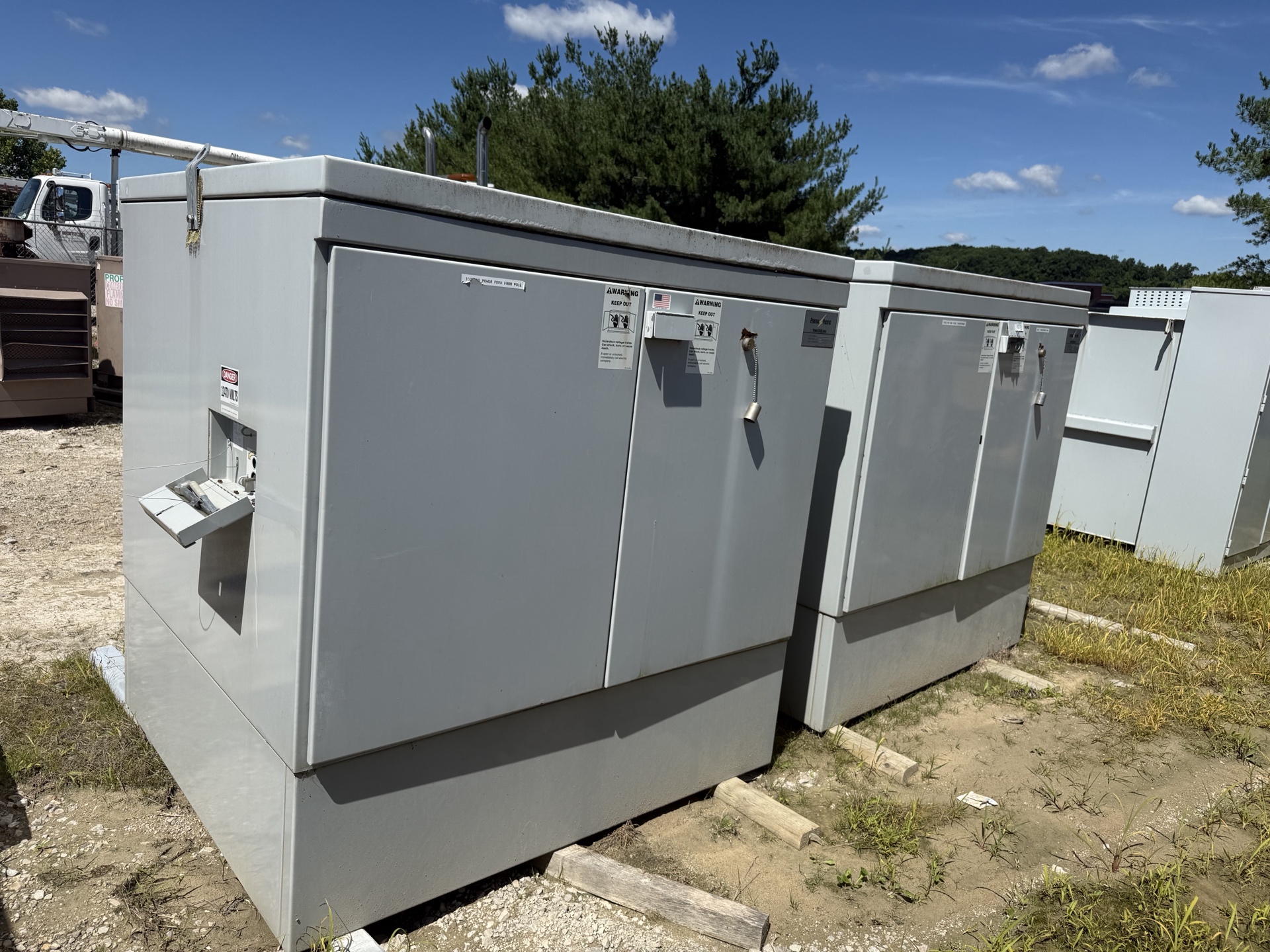
Do not approach, touch, operate, open, test, disconnect, remove, or move equipment that is energized or may be energized. Any electrical work must be handled only by qualified, authorized personnel following the site’s rules and controls. If useful and permitted, provide photographs only of safely accessible exterior surfaces and exterior labels or nameplates, taken from site-authorized safe positions. Never open a cabinet or submit interior photographs. If access or photographic permission is unclear, rely on existing records instead. The seller is not asked to stage, prepare, measure, test, or fabricate anything to seek a purchase assessment; site safety takes priority over gathering more information.
Removal planning after an agreed purchase
Before handover, establish the asset boundary, access permissions, site contact, applicable safety requirements, and any scheduling constraints through authorized site representatives. After a purchase is agreed, the buyer funds necessary electrical disconnects and rigging, any needed crane, and the loading, hauling and freight. The seller does not hire or pay a removal crew. Electrical disconnects and related electrical work remain subject to qualified authorized personnel and site rules. No seller should undertake removal or handling. The purchase does not include unrelated demolition, and hazardous-material identification, abatement, or remediation is not promised. If access, ownership, or safe removal requirements cannot be resolved, those issues may affect whether the transaction proceeds.
Decide what to submit for a Georgia review
A concise inquiry can identify the site in Georgia, the asset designation used in available records, the approximate quantity, and which documents or exterior-only photographs are available. State plainly where information is uncertain, including whether the black-start connection is documented or merely inferred. Do not disclose restricted plant details without authorization. The same buyer considers used, surplus, and decommissioned electrical equipment of all voltage classes, including assets from shut-down power plants and decommissioned data centers; that broad scope does not establish that a particular item qualifies. A review can clarify what is known, what remains unresolved, and whether an individually assessed cash purchase can be offered on agreed terms.
DECOMMISSIONING / THE COMPLETE SERVICE
From shut-down site to paid seller.
We buy electrical switchgear from decommissioned data centers and shut-down power plants. We handle all rigging and logistics: crane, rigging, disconnects, loading, freight and hauling are on us. Qualified personnel handle electrical disconnects and isolation according to site safety procedures. The seller does nothing but get paid.
We make cash offers, pay upfront, require no testing from the seller, and buy all voltage classes. Share the site and equipment details you know; photos are helpful only when they can be taken safely. Never open or touch energized equipment or disturb a live installation.