Start with title and authority to release
Before discussing individual breakers, establish who owns the equipment and who can authorize its sale. Plant ownership, a utility, a lender, a contractor, or a dismantling firm may have different rights; an equipment list alone does not settle title. Identify the responsible decision-maker and any required internal approvals, liens, or contract restrictions. Separate assets included in the proposed sale from items retained for site operations, spares, or another project. A buyer can review a proposed group, but each offer and acceptance is assessed individually; listing an asset does not guarantee acceptance.
Use records to describe—not overstate—ratings
Useful existing records may include asset registers, one-line diagrams, nameplate schedules, maintenance files, and procurement documents. Report a value only when a record supports it, and preserve the distinction between nominal system voltage, assembly voltage, and continuous-current rating. For breaker devices, frame, trip, and interrupting ratings are separate fields, not interchangeable shorthand. Outdoor yard configurations may also involve associated structures or components, so describe what is actually included. If records conflict, are incomplete, or cannot be tied to a specific asset, mark the detail unknown rather than estimating or inferring compatibility.
Make an exterior-only information package
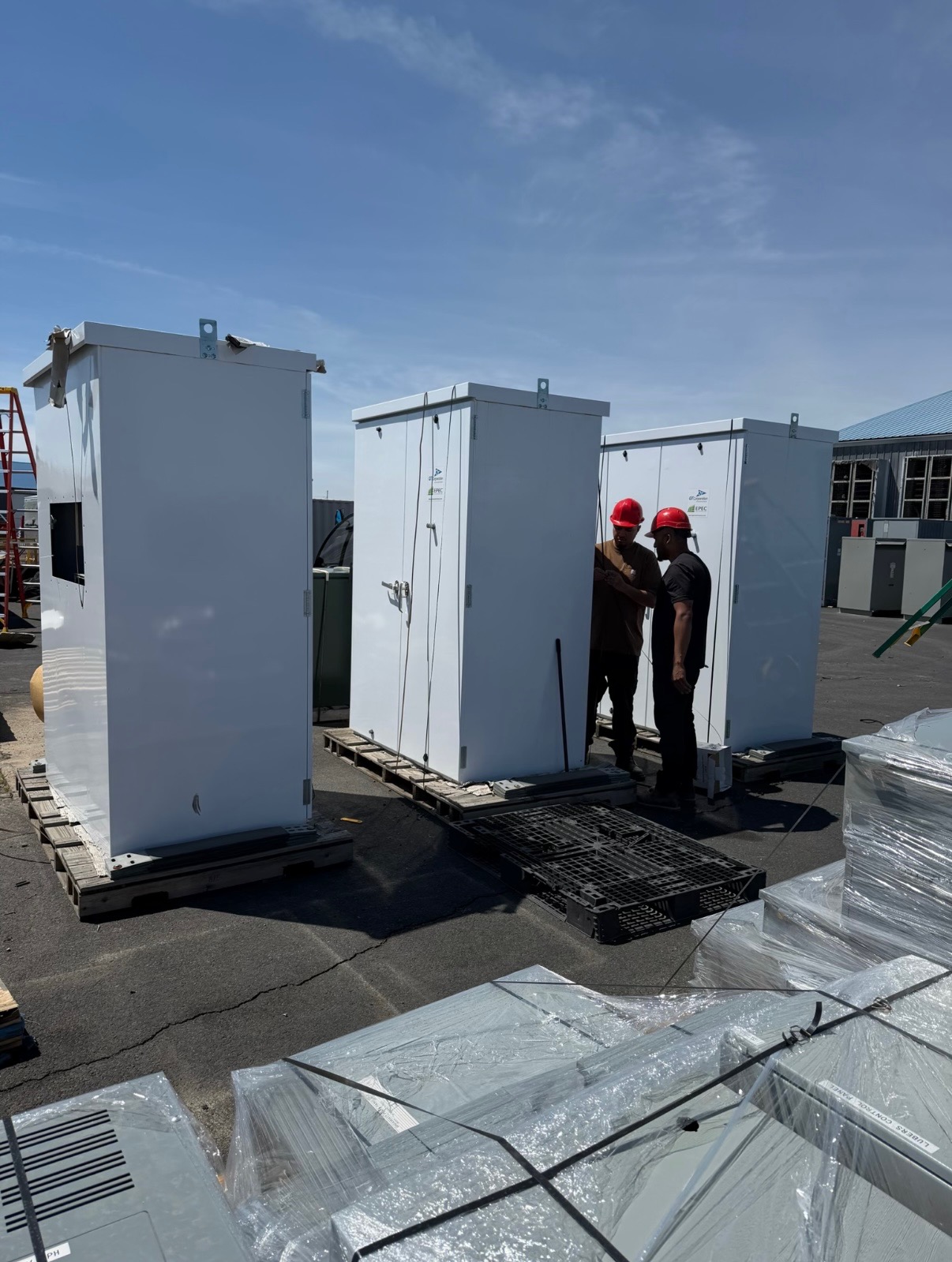
A practical initial package can combine an asset list, available records, approximate quantity, known ownership status, and site contact details for authorized coordination. Photographs are optional and should show only safely accessible equipment exteriors and exterior labels or nameplates, taken from positions the site authorizes as safe. Do not open cabinets or provide interior photographs. Never approach, touch, operate, test, disconnect, remove, or move equipment that is energized or may be energized. If a label cannot be viewed safely from an authorized position, rely on existing documentation or leave the field unconfirmed; no seller testing or measurements are required.
Separate sale scope from site exclusions
Define the proposed assets by identifiers and boundaries, then list exclusions plainly: retained equipment, shared structures, cabling, foundations, or other items outside the transaction. Clarify whether the offer concerns specified equipment only and whether associated components are included, subject to review. A buyer’s purchase assessment is not a commitment to accept every listed asset or to perform plant closure work. Environmental investigation, hazardous-material handling, site remediation, and demolition are separate matters; do not assume they are part of an equipment purchase. Resolve unclear boundaries with the authorized site representative before any release or scheduling.
Plan a controlled handover
After the parties agree on a purchase, the buyer covers applicable disconnects and loading, rigging and crane service, hauling and freight. The seller does not hire or pay the removal crew. The parties should coordinate access windows, escort and permit requirements, traffic routes, lifting constraints, and release documentation with the site. All electrical work must be performed only by qualified, authorized personnel under site rules. No one should disturb energized or potentially energized equipment. The site’s authorized personnel control isolation and release; removal planning follows their clearance, not an assumption based on shutdown status or equipment appearance.
Compare offers against the real scope
Cash offers and upfront payment apply to agreed purchases, with the amount and timing assessed for each transaction rather than guaranteed in advance. Compare proposals on the same asset list, exclusions, records, access assumptions, and removal responsibilities. Missing ratings or uncertain title can affect what can be evaluated, but sellers do not need to test, measure, stage, fabricate, or prepare equipment to request an assessment. The buyer considers used, surplus, and decommissioned electrical equipment across all voltage classes, including from shut-down power plants and decommissioned data centers. An assessment is not an assurance that a particular asset will be purchased.
Release only after approvals and safety coordination
Before handover, confirm the accepted asset schedule, agreed payment arrangements, authority to transfer title, site access approvals, and the site’s release process. Keep records of what is included and who may authorize the work. If safe access, isolation status, or scope is unresolved, pause coordination and refer the issue to authorized site personnel rather than attempting an inspection or intervention. The buyer’s removal obligations apply to the agreed purchase and do not extend to unrelated demolition or hazardous-material remediation. A clear, documented handover protects both parties while keeping electrical work within qualified personnel’s authority.
DECOMMISSIONING / THE COMPLETE SERVICE
From shut-down site to paid seller.
We buy electrical switchgear from decommissioned data centers and shut-down power plants. We handle all rigging and logistics: crane, rigging, disconnects, loading, freight and hauling are on us. Qualified personnel handle electrical disconnects and isolation according to site safety procedures. The seller does nothing but get paid.
We make cash offers, pay upfront, require no testing from the seller, and buy all voltage classes. Share the site and equipment details you know; photos are helpful only when they can be taken safely. Never open or touch energized equipment or disturb a live installation.