Define the sale boundary before discussing removal
Control-building switchgear may sit within a structure scheduled for demolition, but equipment removal and structural demolition are separate scopes. Identify the proposed sale by asset or lineup and mark where the equipment ends: for example, a switchgear assembly may be included while its supporting floor, walls, embedded steel or cable trench remain with the building. Ask the plant’s project lead to confirm the boundary in writing and identify who controls each adjacent system. A purchase does not authorize building demolition, utility work or removal of items outside the agreed equipment scope.
Stage release around plant authority
A release schedule can govern when an asset may be evaluated, purchased and removed. One lineup might be available only after records review, while another remains controlled until a project milestone. Request the release sequence, decision authority and any hold points, without assuming that a stated target date guarantees access or removal. If different owners, contractors or departments control the equipment, clarify whose approval is required at each stage. Share changes promptly; an offer should be assessed against the actual authorized scope and release conditions, not an informal schedule.
Share restricted records through an approved route
Plant drawings, protection details and operating records may be restricted. Do not send sensitive documents through an unapproved channel or bypass site information controls to support a sale. Ask the document owner what may be disclosed, to whom, and whether a redacted asset list or exterior photographs can support an initial review. Photos should show only equipment exteriors and exterior nameplates safely visible from an authorized safe position; do not approach equipment to obtain them. A limited record set can still help distinguish assets, but uncertainty should be stated rather than filled with guesses.
Build an inventory that separates assembly from components
Describe each lineup or cabinet with its location identifier, visible nameplate information where safely available, apparent quantity and known ownership. Distinguish the switchgear assembly from individual breakers, bus, and other components: a breaker’s frame and trip unit are not interchangeable terms, and ratings describe different attributes. Record unknown or unreadable details as unknown. If the plant’s records use an equipment tag that differs from a visible label, preserve both references and ask the records custodian to reconcile them. This reduces the risk of pricing or releasing the wrong asset.
Resolve electrical and structural interfaces before removal
Ask which circuits, cables, grounding connections and adjacent equipment are within the sale boundary, and who has authority to determine isolation and disconnection. All electrical work must be performed by qualified, authorized personnel under site rules; the seller need not test or prepare the equipment. The buyer purchases used, surplus and decommissioned equipment across all voltage classes, but voltage alone does not establish suitability or acceptance. If a lineup is structurally integrated or access depends on demolition sequencing, have the responsible site professionals define a safe, authorized removal window and method.
Agree responsibility for removal services in writing
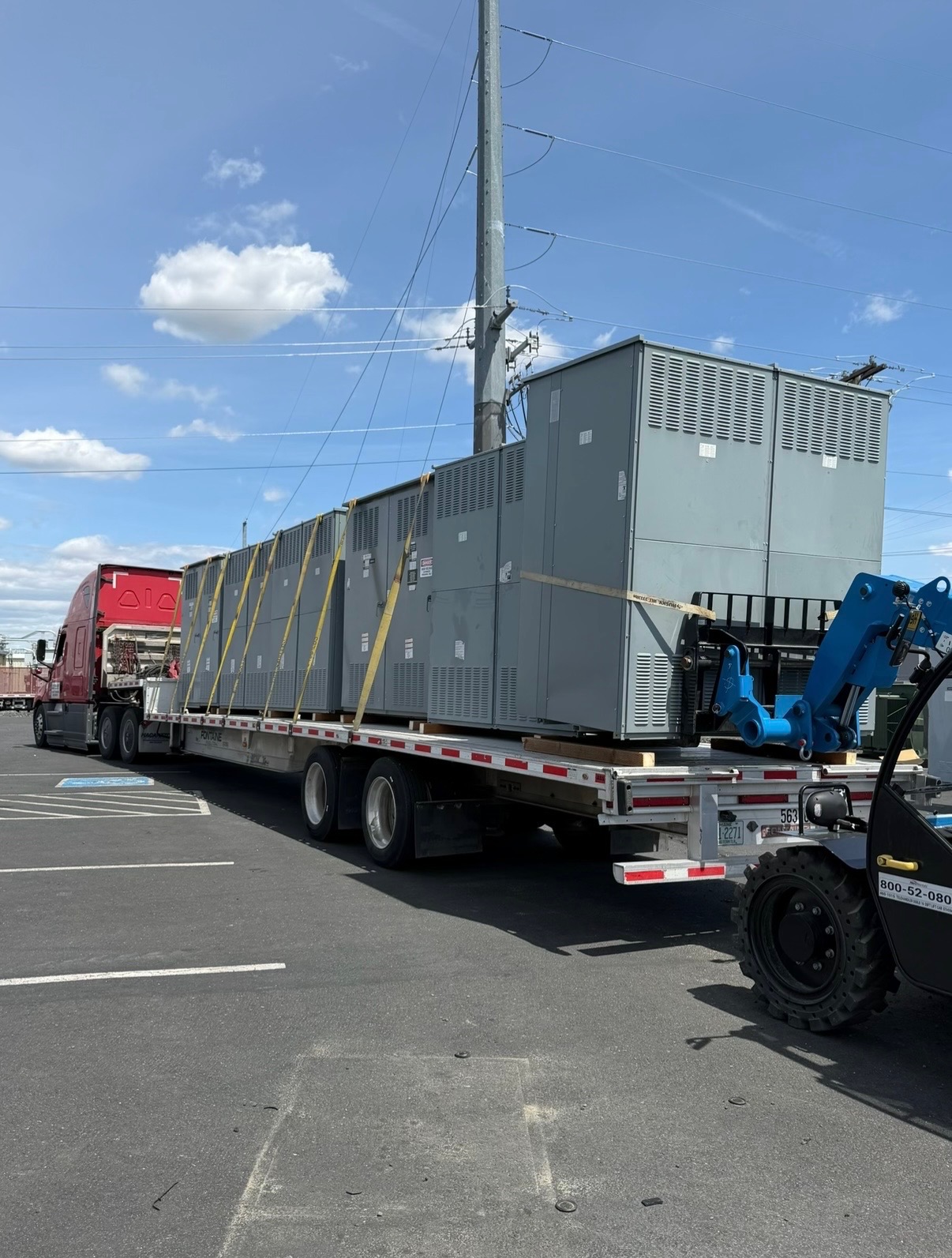
For an agreed purchase, the buyer covers applicable disconnects, crane and rigging, loading, freight and hauling; the seller is not expected to hire or pay a removal crew. Confirm the scope, access conditions, site approvals, equipment boundary and coordination contacts before scheduling. Crane access, lift planning or rigging needs depend on the specific asset and site constraints, so do not infer a method from a photo or nameplate. The buyer can assess those requirements with authorized site representatives. Structural demolition and unrelated hazardous-material remediation are not implied by an equipment purchase.
Compare offers against release and payment terms
When the owner or authorized agent is ready to invite a purchase assessment, provide the approved inventory, available exterior images, release conditions and known removal constraints. The buyer offers cash and pays upfront under the agreed purchase terms; no seller testing is required. Assets and offers are evaluated individually, so a review does not guarantee acceptance, a particular price or a specific outcome. Before committing, document who can approve the sale, what assets are included, when release is permitted, and how payment and buyer-arranged removal fit the plant’s authorized process.
DECOMMISSIONING / THE COMPLETE SERVICE
From shut-down site to paid seller.
We buy electrical switchgear from decommissioned data centers and shut-down power plants. We handle all rigging and logistics: crane, rigging, disconnects, loading, freight and hauling are on us. Qualified personnel handle electrical disconnects and isolation according to site safety procedures. The seller does nothing but get paid.
We make cash offers, pay upfront, require no testing from the seller, and buy all voltage classes. Share the site and equipment details you know; photos are helpful only when they can be taken safely. Never open or touch energized equipment or disturb a live installation.