Separate warehouse stock from plant equipment
Start by identifying the items as warehouse inventory rather than assuming that every spare associated with a retired plant is loose or ready for transfer. A stockroom list, archived stores ledger, decommissioning inventory, or current asset register can help distinguish boxed spares and shelf-held components from installed, connected, or controlled equipment. Describe the storage area and any known restrictions without entering a hazardous area or disturbing items. The buyer considers used and surplus electrical equipment across all voltage classes, including material from shut-down power plants and decommissioned data centers. That broad scope does not mean every item is suitable for purchase; each proposed lot is reviewed on its own facts.
Make the inventory useful without creating work
Provide the recorded quantity and unit of measure for each proposed group, noting whether the count is exact, estimated, or copied from an older record. Include a plain-language description and any existing stock number. Where records show a date, location, or status such as spare, obsolete, or unverified, preserve that wording rather than converting it into a technical conclusion. No seller testing, measuring, or fabrication is required to request an assessment. If the records disagree with what is visible, flag the discrepancy and its source. An unexplained difference is more useful to the buyer when disclosed than when reconciled through unsafe handling or an unsupported assumption.
Use labels and records with care
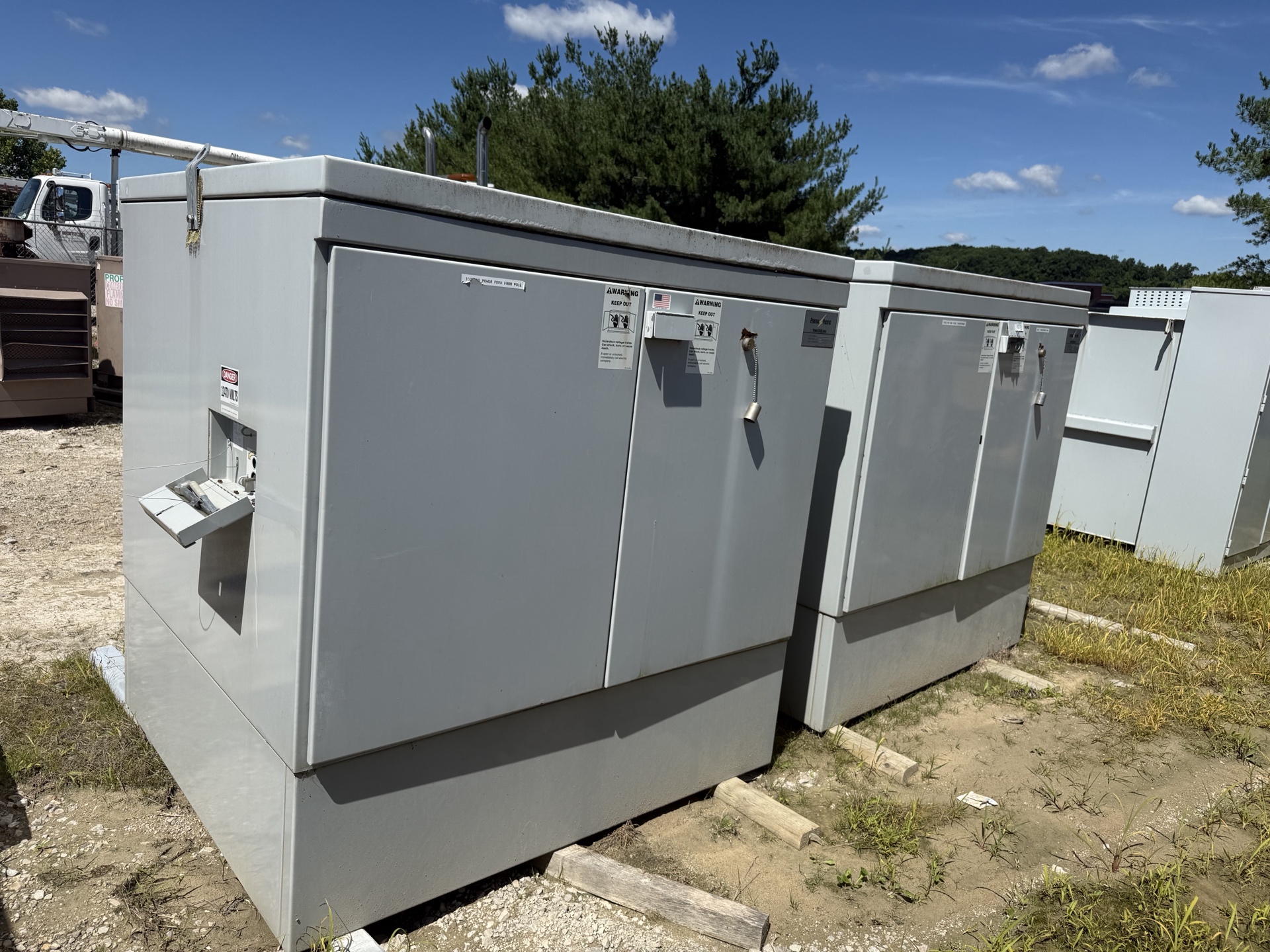
Share existing purchase documents, inventory extracts, maintenance records, or disposal records when available and authorized for release. Transcribe only label details that staff already recorded or can read from a permitted safe position. If photographs help, limit them to safely accessible equipment exteriors and exterior labels or nameplates, taken from a site-authorized position; do not open a cabinet or photograph its interior. Treat incomplete labels, faded markings, and uncertain descriptions as unknowns. Report electrical ratings only when supported by existing records, and keep nominal system voltage, assembly voltage, continuous current, device frame, trip rating, and interrupting rating distinct. None should be inferred from another value.
Confirm ownership and sale boundaries
Before an offer is considered, identify the legal owner or authorized seller and confirm that the proposed inventory is available for sale. Plant closure does not by itself establish title: spares may remain subject to a lease, lender interest, contractor claim, affiliate ownership, or a disposal hold. State whether the request covers a defined lot, selected lines, or all inventory in a described area, and list exclusions plainly. Do not include installed assets, records, containers, or adjacent stock unless ownership and scope are confirmed. The buyer can assess only the items presented for review and does not undertake unrelated demolition or hazardous-material remediation as part of an equipment purchase.
Agree on price and transfer terms
For equipment accepted under an agreed purchase, the buyer makes a cash offer and pays upfront according to the agreed transaction terms. There is no preset price or completion schedule: the offer and acceptance are assessed individually using the inventory, supporting records, ownership, access conditions, and other relevant details. Put the accepted lot, quantity basis, exclusions, payment arrangement, access window, and transfer responsibilities in writing before handover. A preliminary inquiry is not acceptance of every listed item. If records leave material questions unresolved, identify them early so both sides can decide whether the proposed scope remains workable without asking the seller to test or prepare the stock.
Plan a safe, buyer-arranged handover
At an agreed purchase, the buyer covers necessary crane and rigging services, disconnect work where applicable, loading, freight, and hauling; the seller is not expected to hire or pay a crew. Site access, permitted routes, operating hours, security, and any escort requirements should be coordinated before collection. Electrical work may be performed only by qualified personnel authorized for that work and operating under site rules. Nobody should approach, touch, open, operate, test, disconnect, remove, or move equipment that is energized or could be energized; site-authorized personnel must establish safe conditions and control any required work. Warehouse stock still requires an agreed scope and safe access plan before handover.
DECOMMISSIONING / THE COMPLETE SERVICE
From shut-down site to paid seller.
We buy electrical switchgear from decommissioned data centers and shut-down power plants. We handle all rigging and logistics: crane, rigging, disconnects, loading, freight and hauling are on us. Qualified personnel handle electrical disconnects and isolation according to site safety procedures. The seller does nothing but get paid.
We make cash offers, pay upfront, require no testing from the seller, and buy all voltage classes. Share the site and equipment details you know; photos are helpful only when they can be taken safely. Never open or touch energized equipment or disturb a live installation.