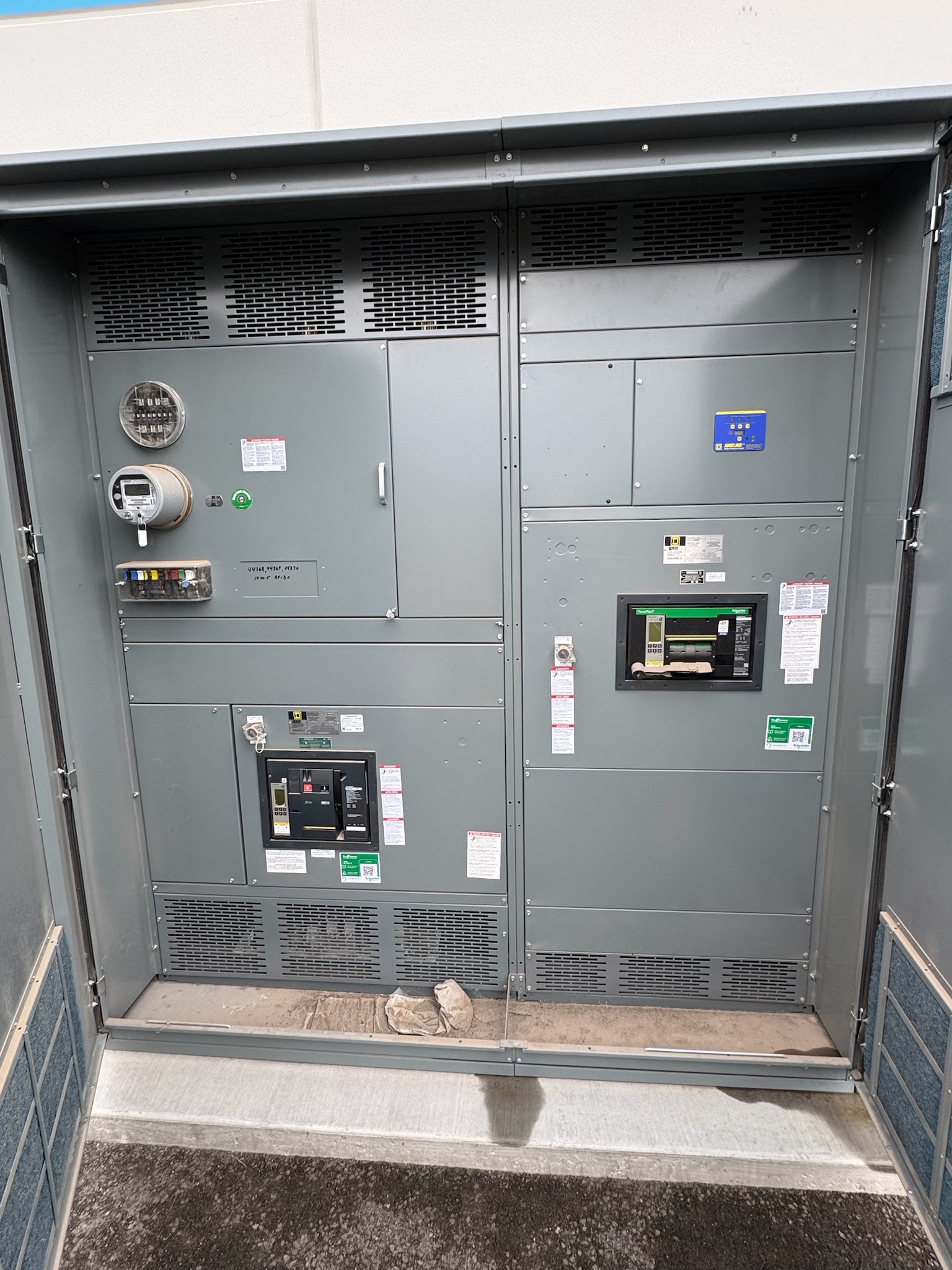
Define the switchgear lot apart from turbine work
Start with an asset boundary based on existing plant records, equipment tags and site-approved documentation—not an assumption that everything near a turbine belongs in one package. A possible lot could include distribution switchgear historically serving a turbine hall, while turbines and their associated mechanical components remain excluded. Identify what the site considers part of the electrical lot and which items remain with other contractors or owners. Shared rooms, cable routes and adjacent equipment may complicate boundaries, so unresolved ownership or scope should be flagged before an offer is considered. An assessment does not include demolition, turbine removal, or a promise to accept every item in the area.
Use records that already exist
Useful records may include equipment schedules, single-line diagrams, asset registers, maintenance histories, decommissioning inventories and earlier purchase or installation documents, if available. Share copies through an authorized site process; sellers do not need to create new measurements, conduct testing, stage equipment or prepare a technical package. Records can help distinguish an assembly’s stated voltage from nominal system voltage and may separately identify continuous-current, frame, trip or interrupting ratings. Do not treat one value as proof of another or as confirmation of compatibility. Missing, conflicting or outdated information should be described as unknown rather than filled in through guesswork.
Photographs and condition information without exposure
For an initial review, photographs are optional and should show only safely accessible exterior surfaces or exterior labels and nameplates, taken from positions the site authorizes as safe. Keep doors and covers closed; never enter a restricted area or seek an interior view. Do not approach, touch, open, operate, test, disconnect, remove or move equipment that is energized or could still be energized. The same restriction applies when its electrical status is uncertain. No seller testing is required for a purchase assessment. If a label cannot be photographed safely, provide its wording from an existing record or simply note that it is unavailable.
Agree scope, access and removal responsibilities
Any proposal depends on an individually reviewed asset list, ownership authority, access conditions and an agreed handover plan; neither an offer nor acceptance guarantees a particular price or date. When a purchase is agreed, the buyer arranges and pays for necessary crane services, rigging, disconnects, loading, freight and hauling within that agreed scope. The seller is not expected to hire or pay a removal crew. This arrangement applies to the purchased electrical equipment, not unrelated plant demolition, turbine work or hazardous-material remediation. Confirm site access windows, escorts, permits and interfaces with other contractors before scheduling; all work must remain subject to plant controls and authorization.
Safe coordination at a controlled plant site
Decommissioned does not automatically mean electrically safe. The seller’s site authority determines access, isolation status, permits, and any required boundaries; only qualified personnel authorized for the task may perform electrical work under site rules. The buyer’s logistics planning must fit those controls rather than bypass them. Do not ask site staff to make equipment safe for a photograph or to alter its condition for review. If a proposed route or lifting interface cannot be approved, pause coordination and revisit the plan with the responsible site team. An assessment is not a safety determination, an authorization to work, or a commitment to dismantle the facility.
Cash offer and practical handover
Submit the available asset description, relevant existing records, known exclusions and a site contact authorized to discuss a sale. The review may identify questions about title, boundaries, records or access before an offer can be made. For an agreed purchase, payment is upfront under the agreed transaction terms, and the buyer coordinates the covered removal logistics. No acceptance, valuation or timing is guaranteed: the decision depends on the specific equipment and handover conditions. This buying approach also covers eligible equipment from decommissioned data centers, across all voltage classes, without requiring seller testing or seller-funded crew arrangements. Turbine components remain separate from this switchgear scope.
DECOMMISSIONING / THE COMPLETE SERVICE
From shut-down site to paid seller.
We buy electrical switchgear from decommissioned data centers and shut-down power plants. We handle all rigging and logistics: crane, rigging, disconnects, loading, freight and hauling are on us. Qualified personnel handle electrical disconnects and isolation according to site safety procedures. The seller does nothing but get paid.
We make cash offers, pay upfront, require no testing from the seller, and buy all voltage classes. Share the site and equipment details you know; photos are helpful only when they can be taken safely. Never open or touch energized equipment or disturb a live installation.