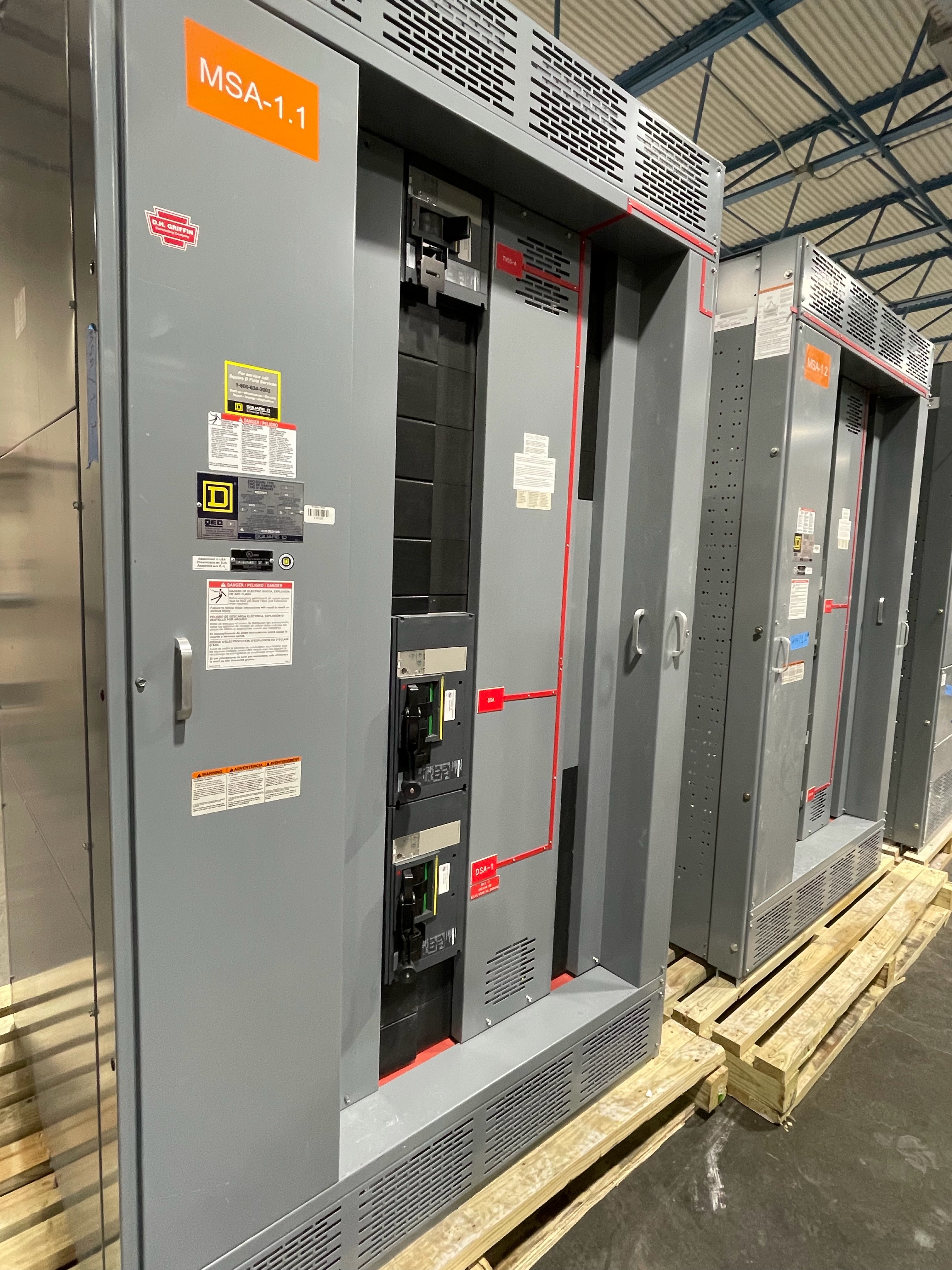
Use the marking as an identifier, not a specification
A visible Siemens nameplate or exterior marking is useful for describing an item, but it is not a substitute for the complete equipment identity or an engineering review. Record only information readable from an authorized, safe position: the marking, apparent equipment type, any visible catalog or serial identifiers, and legible ratings. Do not infer compatibility, condition, or the capacity of an assembly from the brand alone. A switchboard section, breaker, and protective trip unit are distinct sale items, and their identifiers may not tell the same story. If information is obscured, note that rather than approaching or opening equipment.
Build a release schedule that stands apart from control-room secrecy
Plant assets may become available in phases: for example, a removed production area could be released before a control room is cleared. Keep those schedules separate from confidential operating diagrams, screens, access credentials, and process information. A buyer generally needs an item inventory and a proposed access window, not unrestricted control-room access. Ask the site contact which areas and dates are approved for viewing and loading, and identify any assets that must remain in service or under hold. If ownership or release authority is unclear, resolve that before discussing a sale; the seller must own the equipment or have authority to sell it.
Describe each lot so its boundaries are unmistakable
Phased sales can create disputes when a listed lot is not clearly separated from retained plant property. Make an item-level schedule with a location reference approved by the site, quantity, visible identifiers, and whether accessories or adjacent sections are included. For instance, describe a breaker as a separate item if it is not included with the switchgear assembly; do not assume a frame, trip unit, or bus section transfers with it. Mark excluded or held equipment plainly. Safe exterior photographs may help document identity and lot boundaries, but take them only from authorized safe positions and never approach, touch, open, or operate equipment to obtain an image.
Protect loading access from operational and confidentiality constraints
A release date is not necessarily a loading date. Confirm which route, staging area, escort, security rules, and hours the site authorizes, and whether other contractors or plant operations have priority. Keep loading plans separate from sensitive control-room access: a designated loading path may be sufficient without exposing restricted areas. Describe access constraints early, such as a narrow doorway or a shared vehicle route, without attempting to inspect or move electrical equipment. If crane, rigging, disconnects, or other electrical work may be needed, the work and access must be coordinated with the site; electrical tasks belong to qualified, authorized personnel following site rules.
Make the condition record honest and safe
Do not arrange seller testing to support an offer. No seller testing or seller preparation is required, and nobody should be asked to operate, open, touch, test, disconnect, remove, rack out, move, or handle energized equipment. The buyer assesses each asset individually using available records and permissible observations; an offer is not a certification of condition or a promise of acceptance. Share known status accurately, distinguishing documented facts from assumptions—for example, “stored inventory record available” rather than “tested and operational” if no such test record exists. Any inspection or electrical work must follow site authorization and be performed by qualified personnel.
Compare offers against the actual phase and scope
Ask what each proposal covers: identified items, exclusions, payment terms, and responsibility for the approved removal and loading plan. This independent buyer offers cash and pays upfront, buys across all voltage classes, and pays buyer-side freight, crane, rigging, disconnects, loading, and hauling as applicable to an individually assessed transaction. Those terms do not establish that every item will be accepted or that a particular price or schedule is available. Compare the written scope with the phase inventory; a price for one released lot should not silently include retained equipment or a later phase. Clarify how changes in quantity or access affect the assessment before authorizing a release.
Keep phase closeout records usable
For each completed phase, retain the approved inventory, sale authority, written offer and acceptance, payment record, and site sign-off for the assets released. Record exceptions—such as an item withheld or an access window changed—against that phase rather than revising an older schedule without explanation. This helps plant staff reconcile property records while protecting confidential operational material from unnecessary circulation. Before the next phase, confirm that the remaining list still reflects ownership, boundaries, and authorized access. If an item’s marking or identity is uncertain, flag it for review instead of treating a similar-looking assembly as interchangeable. No sale should override site safety controls.
DECOMMISSIONING / THE COMPLETE SERVICE
From shut-down site to paid seller.
We buy electrical switchgear from decommissioned data centers and shut-down power plants. We handle all rigging and logistics: crane, rigging, disconnects, loading, freight and hauling are on us. Qualified personnel handle electrical disconnects and isolation according to site safety procedures. The seller does nothing but get paid.
We make cash offers, pay upfront, require no testing from the seller, and buy all voltage classes. Share the site and equipment details you know; photos are helpful only when they can be taken safely. Never open or touch energized equipment or disturb a live installation.