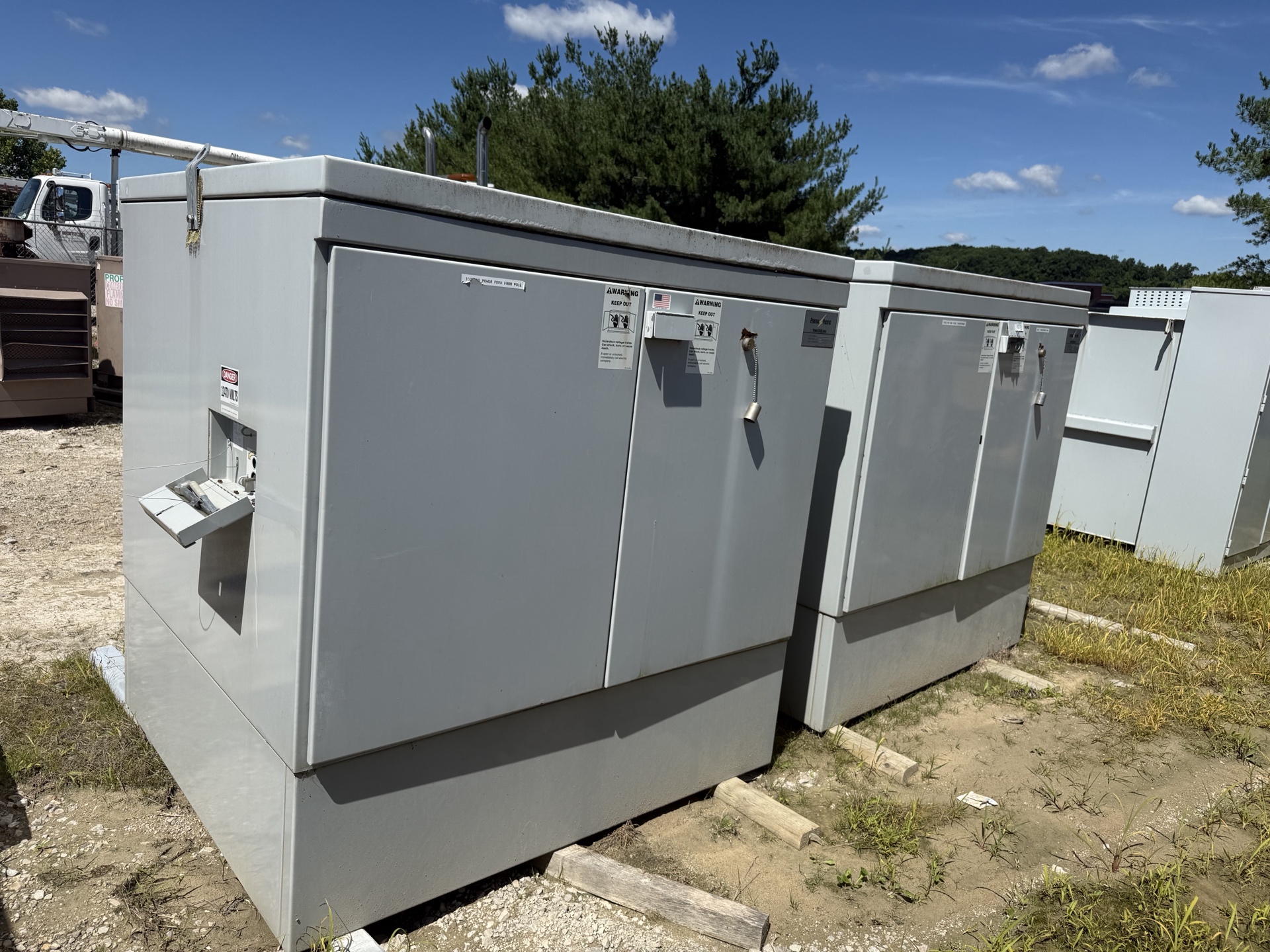
Start with the phase boundary, not the brand
During a phased upgrade, a Schneider marking may help identify an asset, but it does not establish whether that asset is surplus, what it contains, or whether it can be removed. Ask the project owner to define the boundary by equipment tag, room or lineup, and project phase. For example, a retired feeder section may sit beside a retained section that continues serving a data hall. Record each item separately, including whether it is excluded from the sale pending a later outage or engineering decision. This prevents a brand-based inventory from sweeping in equipment the facility still needs.
Verify authority and title before discussing removal
The seller must own the equipment or have documented authority to sell it. In a facility upgrade, ownership may rest with the site operator, an asset owner, a leasing party, or another party with disposition rights; do not infer title from who coordinates the work. Ask who can approve sale, access, and release, and document that approval in the transaction record. If a contractor is managing the project, clarify whether it can authorize disposition or only coordinate work. Buyer review is individual, and a safely visible Schneider marking alone does not establish ownership, completeness, condition, or acceptance.
Use a restrained, useful inventory
Build an item list that distinguishes a complete assembly from a loose breaker or other component. Note the visible nameplate wording, equipment tag, general configuration, and whether the item is marked retired or retained in the project records. If a lineup includes several sections, identify each section rather than describing everything as one Schneider panel. Do not assume an assembly rating from a breaker label, or treat frame, trip, and nominal voltage as interchangeable terms. Where a rating is unclear, record it as unknown and leave interpretation to qualified personnel and the buyer’s individual assessment.
Protect drawings and operational information
Data hall power drawings can reveal sensitive details about distribution paths, redundancy, loads, or security arrangements. Before sharing records, ask the facility’s authorized contact which documents may be disclosed and whether they should be redacted or transferred through an approved channel. A buyer may need enough information to identify the offered assets, but a full one-line diagram or detailed site plan may expose more than necessary. Keep confidential files separate from the basic inventory, limit access, and do not photograph or circulate restricted material without permission. If documentation cannot be shared, describe that limitation rather than bypassing site controls.
Document independent buyer status clearly
When an asset bears a Schneider marking, describe the marking only as an identification observed on the equipment. State in writing that the buyer is independent and is not claiming manufacturer affiliation, endorsement, or authorized-dealer status. This distinction matters in an upgrade record, where procurement teams may otherwise mistake an equipment buyer for the manufacturer’s service channel. Use the buyer’s own business identity on offers, release documents, and payment records. Do not imply that the manufacturer has reviewed the equipment or approved its resale, and do not use the marking to promise a particular market value or disposition.
Plan access around the live facility
Retired equipment beside operating infrastructure still requires careful work planning. Electrical work, including isolation and disconnection, must be performed by qualified, authorized personnel under site rules; no one should approach, open, operate, test, or move energized equipment. Agree in advance on access windows, boundaries, escorts, loading route, and the party controlling each work step. The independent buyer covers crane, rigging, disconnects, loading, freight, and hauling when arranged for an accepted transaction; the seller is not required to test or prepare equipment. Cash offers are considered individually, with upfront payment terms documented before release.
Compare sale value with project risk
A phased upgrade may make it tempting to remove every apparently retired item at once, but bundling can complicate a later phase if ownership, status, or access differs by asset. Compare a clearly defined lot against separate offers for distinct assemblies or components, while weighing schedule constraints and the risk of disturbing retained equipment. This buyer considers surplus across all voltage classes, but that does not guarantee acceptance or a particular price. No seller testing is required. Before committing, confirm the offered-item list, payment and release terms, safe access plan, and who has authority to approve each item’s removal.
DECOMMISSIONING / THE COMPLETE SERVICE
From shut-down site to paid seller.
We buy electrical switchgear from decommissioned data centers and shut-down power plants. We handle all rigging and logistics: crane, rigging, disconnects, loading, freight and hauling are on us. Qualified personnel handle electrical disconnects and isolation according to site safety procedures. The seller does nothing but get paid.
We make cash offers, pay upfront, require no testing from the seller, and buy all voltage classes. Share the site and equipment details you know; photos are helpful only when they can be taken safely. Never open or touch energized equipment or disturb a live installation.