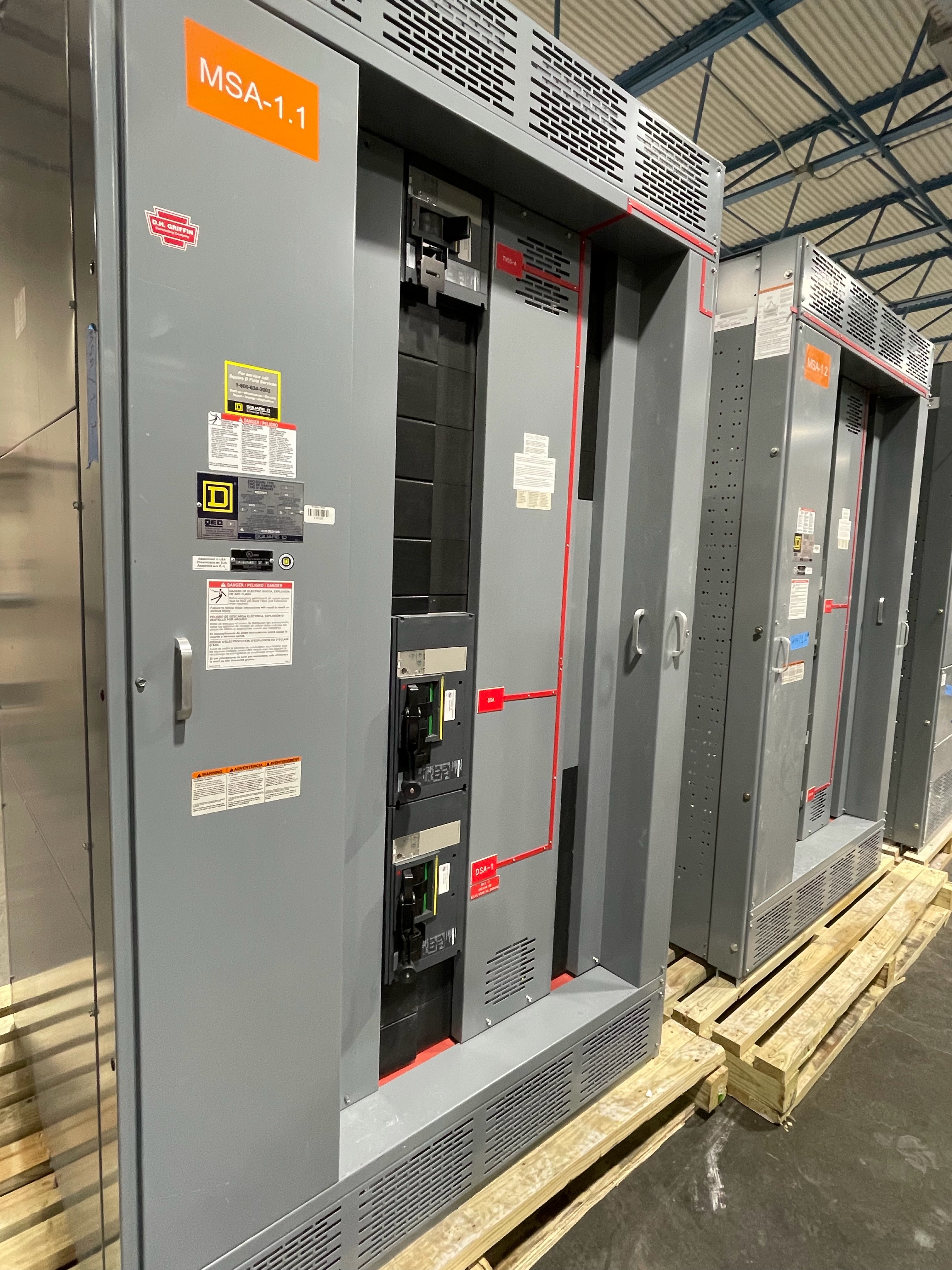
Separate the lot by status and release path
Start the assessment with two inventory groups: equipment that site personnel have already placed in storage, and equipment that remains installed. For each item, note its current site-designated location, whether it is eligible for release, and who can authorize that release. Stored equipment may be governed by warehouse access or ownership records, while installed equipment may require a separate shutdown and electrical-work approval. These are planning distinctions, not instructions to prepare or move anything. The buyer reviews each group individually; listing an asset does not establish that it can be purchased or collected.
Use existing records to identify equipment
Share available asset registers, prior inventory schedules, purchase records or decommissioning lists, with sensitive information handled through an agreed process. Record descriptions exactly as documented rather than filling gaps by inference. Where records show ratings, keep each category distinct: nominal system voltage, assembly voltage, continuous-current rating, device frame, trip setting or rating, and interrupting rating are not interchangeable. Identify the source and any uncertainty for each value. A missing field can remain unknown for initial review; sellers do not need to test, measure, open equipment or commission new technical documentation to request an assessment.
Describe locations without staging assets
A simple location schedule can identify building or site area, stored-versus-installed status, the site contact for release, and any known access restrictions. Use existing layout references if available; do not move switchgear to make the inventory easier to collect. The stored group and installed group may need different pickup dates, permissions or collection sequences, even when they are part of one proposed purchase. Note known constraints such as controlled access or limited collection windows, without assuming a route or lift plan. The buyer and authorized site representatives can develop practical logistics after the proposed scope is reviewed.
Set boundaries for safe information gathering
Only qualified, authorized personnel may perform electrical work, and they must follow the site’s safety rules and approved procedures. No one should approach, touch, open, operate, test, disconnect, remove or move equipment that is energized or may be energized. Do not open cabinets or ask site staff to expose interiors for an assessment. If images are useful, provide photographs only of safely accessible exterior surfaces and exterior labels or nameplates, taken from positions the site authorizes as safe. If a view is not safely available, rely on records or leave the detail unverified.
Agree on collection groups and responsibilities
A written scope can identify which assets are included, which are excluded or still under review, and whether stored and installed items require separate releases. Under an agreed purchase, the buyer covers necessary crane and rigging services, disconnects, loading, freight and hauling. The seller does not need to hire a removal crew or pay contractors for that collection work. Any disconnect or other electrical task must be completed by qualified personnel authorized by the site, within its controls. Collection planning should account for site approval and access; it is not a substitute for them.
Understand payment and assessment limits
For an agreed purchase, the buyer makes a cash offer and pays upfront under the accepted arrangement. Each proposed purchase is assessed individually, so neither a particular asset’s acceptance, an offer amount nor a collection date is guaranteed before review and agreement. The buyer purchases equipment across all voltage classes, but a broad voltage range does not establish condition, value or suitability. The review may consider ownership, records, scope, access and logistics alongside the equipment description. A request for assessment does not commit either party, and undocumented details should remain open questions rather than assumed facts.
Keep exclusions clear through handover
Before collection, confirm the agreed asset list, release authority, collection groups, responsible site contacts and permitted access arrangements. An item that is not authorized for release should not be treated as available merely because it appears on an inventory. The proposed purchase and removal scope does not include general demolition or hazardous-material remediation. Do not ask site personnel to make equipment safe or ready by handling it for the buyer; site-controlled electrical and access decisions remain with qualified, authorized personnel. A clear record of exclusions and unresolved items helps prevent confusion when stored and installed groups follow different handover paths.