Screen the route on records first
Start with existing building documents: elevator car and doorway dimensions, rated capacity, operating restrictions, route drawings, floor plans, and any written rules for freight use. Compare those records with available equipment drawings or nameplate information; do not infer dimensions from a product family or a photograph. Note which measurements are documented, approximate, missing, or subject to confirmation. This paper review can identify obvious conflicts before anyone proposes a site visit, but it does not approve a lift or establish that a cabinet can pass through the route. Feasibility remains for qualified specialists and building authorities to assess.
Capacity is not the only constraint
An elevator’s posted capacity is only one part of the assessment. The building’s manufacturer or site restrictions may specify permitted loading, distribution, operation, protection, or approval procedures. The equipment’s documented weight and dimensions also need consideration, including how the load would be supported and controlled during an approved move. Missing or inconsistent records should remain explicit unknowns, not be replaced with estimates presented as facts. Do not ask a seller to weigh, reposition, or prepare equipment. Specialists and the responsible building personnel decide whether records are sufficient and what additional information, if any, can be obtained safely.
Turns and clearances can defeat a straight-line fit
A cabinet that appears narrower than the elevator opening may still fail the proposed route at a corridor turn, landing, door swing, threshold, ceiling obstruction, or approach angle. Review documented clearances along the full route, not just the car interior. Drawings may omit temporary obstructions or later building changes, so specialists may need to verify relevant conditions under site procedures. Sellers should not approach, touch, open, operate, test, disconnect, remove, or move equipment that is energized or potentially energized to improve access or obtain measurements. Any electrical work must be performed only by qualified, authorized personnel under site rules.
Secure approvals before scheduling
Elevator use may depend on approvals from the building owner, facilities team, elevator provider, safety personnel, or other responsible authorities. Ask the site contact to identify the applicable approval path, restrictions, scheduling windows, and required review documents; do not assume permission follows from an available elevator. A proposed plan may be declined or require a different route. Our purchase assessment does not override building controls, elevator limits, or site safety rules, and an elevator route is not a promise that removal will proceed. Keep approval status, responsible contacts, and unresolved conditions clear before coordinating any agreed work.
Share useful information without unsafe preparation
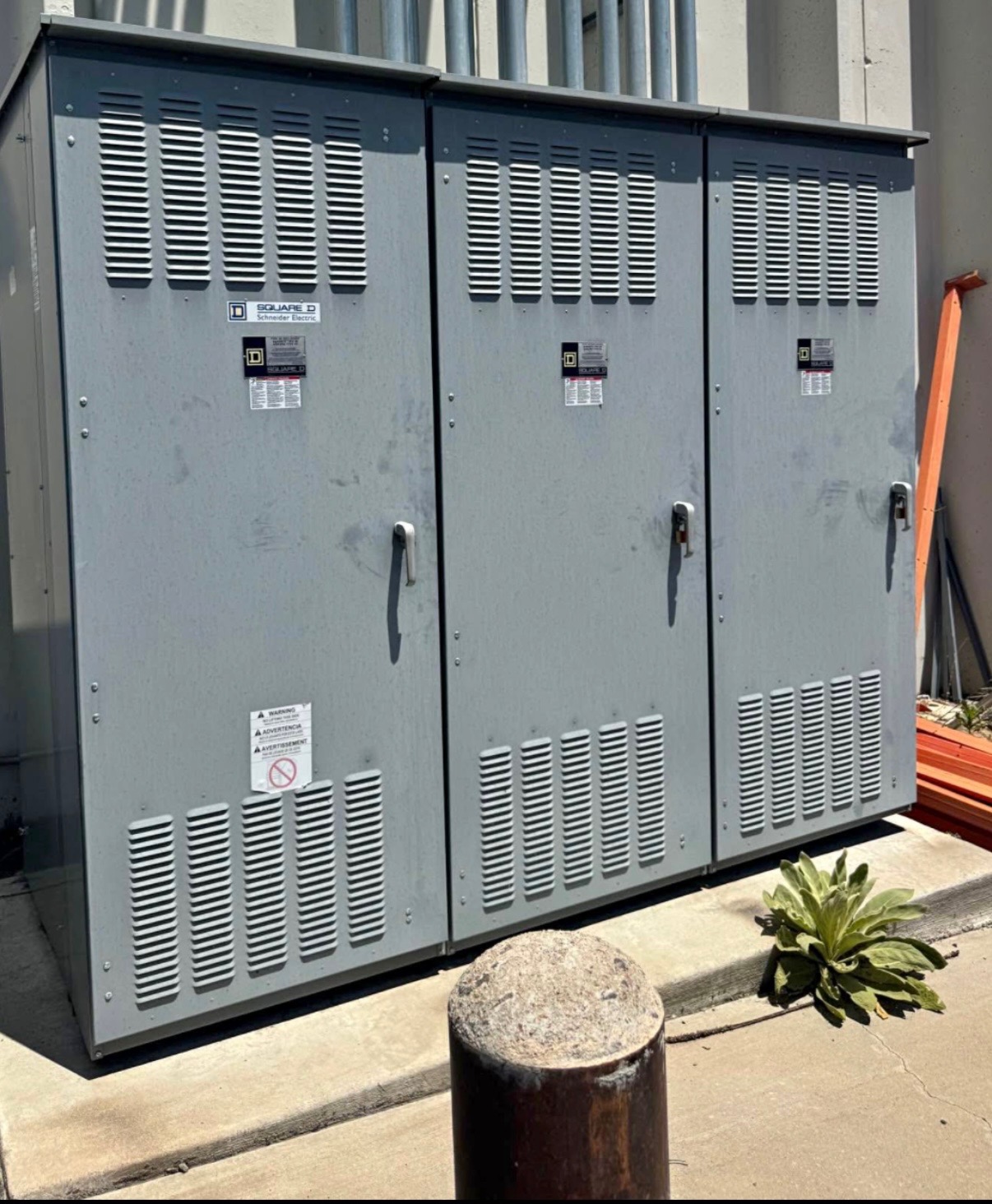
For an initial purchase assessment, existing records are more useful than seller testing or fabrication. Where safe and site-authorized, photographs may show only accessible equipment exteriors and exterior nameplates or labels, taken from an authorized safe position. Never open a cabinet or take internal photographs. Do not approach potentially energized equipment for a picture or measurement. Provide available drawings, asset lists, and building route documents through approved channels, identifying their source and known limitations. No seller testing is required. We consider equipment of all voltage classes, while keeping nominal system voltage, assembly voltage, current, and device ratings distinct when records support them.
Agree the handover scope before removal
Each proposed purchase and acceptance is individually assessed; neither a particular asset’s acceptance nor a price or schedule is guaranteed. For an agreed purchase, the buyer makes a cash offer and pays upfront under the agreed terms. The buyer covers necessary crane, rigging, disconnects, loading, freight, and hauling associated with that purchase; the seller does not hire or pay a removal crew. Define site access, elevator approvals, responsibilities, sequence, and handover conditions in advance. This scope concerns the agreed equipment only and does not include unrelated demolition or hazardous-material remediation.
Use a clear go-or-no-go decision
Before work is scheduled, specialists should resolve whether the documented route and site approvals support the proposed handling plan, or identify a different permitted approach. If records conflict, elevator restrictions are unclear, or a safe route cannot be established, pause coordination rather than asking a seller to improvise. No equipment should be handled while energized or potentially energized, and any required electrical work belongs to qualified, authorized personnel following site rules. A practical handover records what was accepted, which route and approvals apply, and who coordinates the agreed logistics; it does not turn uncertain conditions into an assumed clearance.