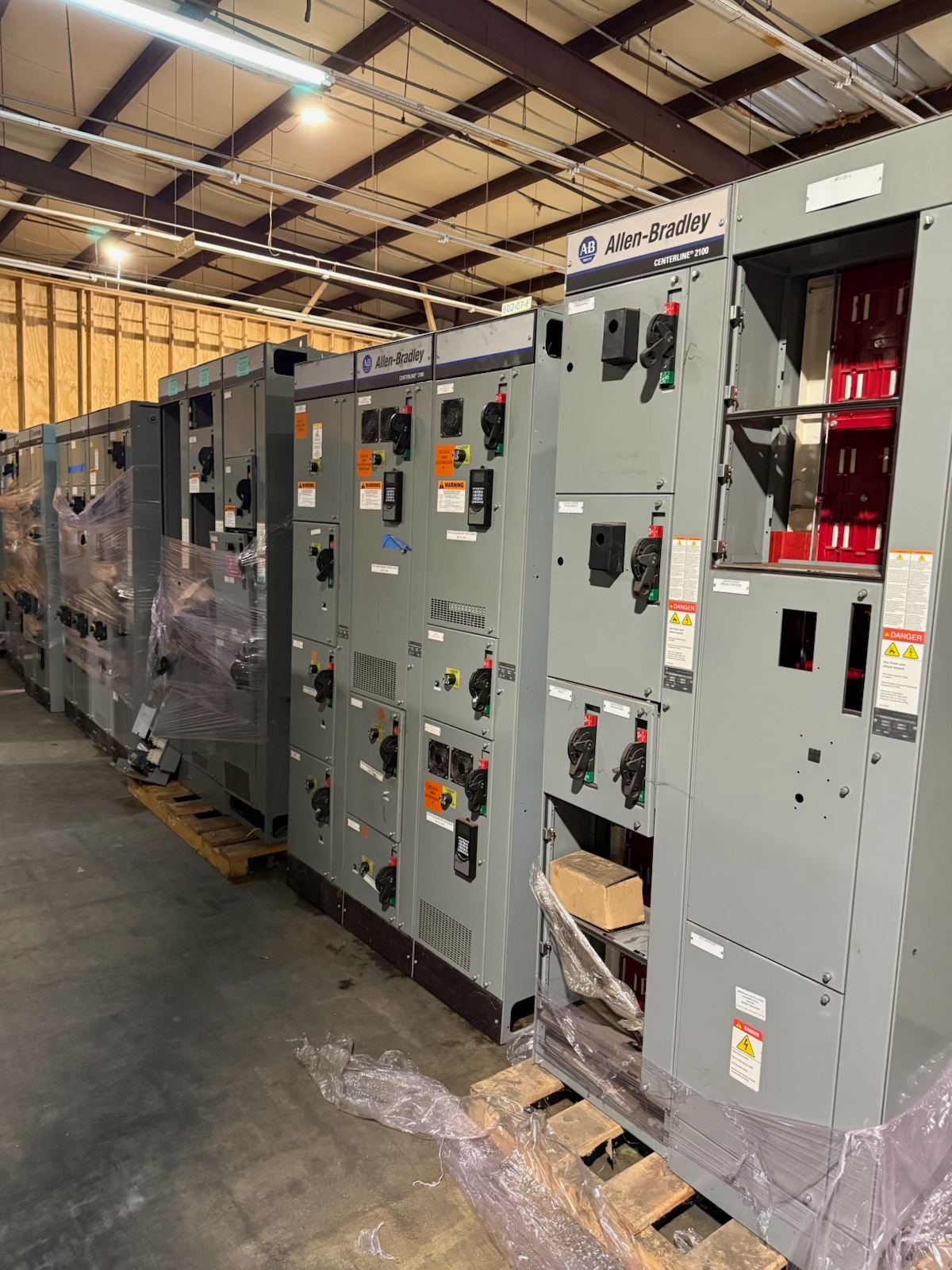
Start with what the records actually establish
Gather documents already held by the site, such as equipment schedules, purchase or installation records, layout drawings, shipping papers, and decommissioning inventories. These may identify a lineup or location without confirming how it divides into transportable sections. Keep those distinctions explicit: a lineup designation is not proof of the number of shipping pieces, their dimensions, or their individual weights. Existing records can still support an initial purchase assessment, even when incomplete. Do not create new measurements or inspect equipment to fill gaps. A buyer can review available documents and explain which uncertainties affect the next decision; acceptance and any offer remain subject to an individual assessment.
Separate electrical ratings from freight facts
Electrical descriptions and logistics details answer different questions. If existing records state ratings, report each only as documented and keep nominal system voltage distinct from assembly voltage, continuous current, device frame, trip rating, and interrupting rating. None establishes package weight, lifting points, shipping splits, or transport dimensions. Conversely, freight paperwork may describe a package without establishing electrical suitability. Avoid inferring missing values from a model name, neighboring lineup section, or a similar-looking installation. A buyer considering used, surplus, or decommissioned equipment across all voltage classes can assess the records provided, including equipment from decommissioned data centers and shut-down power plants, without treating an undocumented detail as confirmed.
Make the unknowns a defined assessment list
Useful open questions include whether a recorded lineup remained intact, whether prior shipping documents refer to the same configuration, and whether a proposed scope includes every section under consideration. Site access, removal boundaries, transport route constraints, and timing may also affect a plan, but should be confirmed through authorized site contacts and professional review rather than seller investigation. Make clear which facts come from records and which are unknown; do not guess a split or weight to complete a form. Photos may show only safely accessible exterior surfaces and exterior labels or nameplates, taken from positions the site authorizes as safe. Never open a cabinet or photograph its interior.
Let qualified professionals resolve handling questions
Missing shipping data calls for assessment by the appropriate logistics and rigging professionals, not improvised seller measurements or dismantling. No one should approach, touch, open, operate, test, disconnect, remove, move, or handle equipment that is energized or may still be energized. Any electrical work must be performed by qualified personnel authorized for the task and governed by site rules. The seller is not asked to test equipment, take measurements, stage sections, or prepare the lineup for lifting. If records cannot resolve configuration or access questions, the proposed scope may need to remain conditional until the buyer and authorized site representatives establish a safe, workable handover plan.
Agree the scope and freight responsibilities in advance
For an agreed purchase, the buyer covers the necessary crane, rigging, disconnect work, loading, freight, and hauling as defined for that transaction. The seller does not need to hire or pay a removal crew. Confirm in writing what equipment is included, who may authorize site access, the permitted work window, and how the handover will be coordinated. This is removal and transport of the agreed purchased equipment, not a promise of broader demolition or hazardous-material remediation. The buyer makes cash offers and pays upfront for purchases that are agreed, but each asset and offer is assessed individually; neither acceptance nor timing is guaranteed. Do not arrange removal before scope and responsibilities are confirmed.
Prepare a safe, useful handover
Share copies of available records through an agreed channel, note any known gaps, and identify the site contact responsible for access and work authorization. If exterior photographs are permitted, keep them limited to safely accessible equipment exteriors and exterior nameplates from site-authorized safe positions. Do not enter restricted areas, open enclosures, or move barriers for a better view. A buyer can then review the documented lineup, discuss uncertain shipping splits with qualified professionals, and decide whether to make an offer and what conditions apply. This process supports a considered logistics plan without asking the seller to test, dismantle, measure, or arrange a crew, while preserving site safety and clear responsibility for the agreed work.