Map the lot by building and access authority
Start with a simple inventory grouped by building, room or area, using names already recognized in site records. Note which organization controls each area and who can authorize a visit or release assets; ownership and access rights may differ across a multi-building property. Identify buildings that are available now, restricted, shared, or subject to a later handover. A buyer can consider equipment from any voltage class, including assets from decommissioned data centers and shut-down power plants, but inclusion depends on review and authorization—not the building label alone.
Group assets without overstating what is known
Useful groupings might separate switchgear, transformers, motor-control equipment, breakers, or other electrical assets by building and apparent location. Use existing descriptions and asset identifiers where available, and flag uncertain identity rather than guessing. Avoid treating nearby items as one lot if ownership, condition, access, or release dates differ. A buyer may assess a grouped offer or separate building lots, weighing the convenience of consolidated access against the risk that a delayed area holds assets needed for a practical removal sequence. An assessment does not commit either party until terms are agreed.
Use existing records; leave unknowns visible
Share records already on hand, such as asset lists, prior drawings, nameplate transcriptions, maintenance files, or decommissioning schedules. Do not commission testing or measurements just to request an assessment. Records may be incomplete or outdated, so distinguish documented values from unknowns and conflicting entries. If ratings appear in records, keep nominal system voltage separate from assembly voltage and continuous-current rating; device frame, trip, and interrupting ratings are separate values too. Do not infer compatibility or a rating from appearance. The buyer can assess available information and identify unresolved points before agreeing scope.
Define inclusions, exclusions and release conditions
Write down what is being considered by building and identifiable asset, then list exclusions plainly: for example, items retained by the owner, equipment in an inaccessible area, or materials whose ownership is unresolved. Clarify whether ancillary components are included rather than assuming they follow the main assembly. Hazardous materials, building demolition, structural work, and unrelated site cleanup are not implied by an electrical-equipment purchase. The buyer does not promise to accept every listed asset. Each offer and acceptance is individually assessed, with price and timing dependent on the agreed scope, records, access and removal conditions.
Plan staged access and safe handover
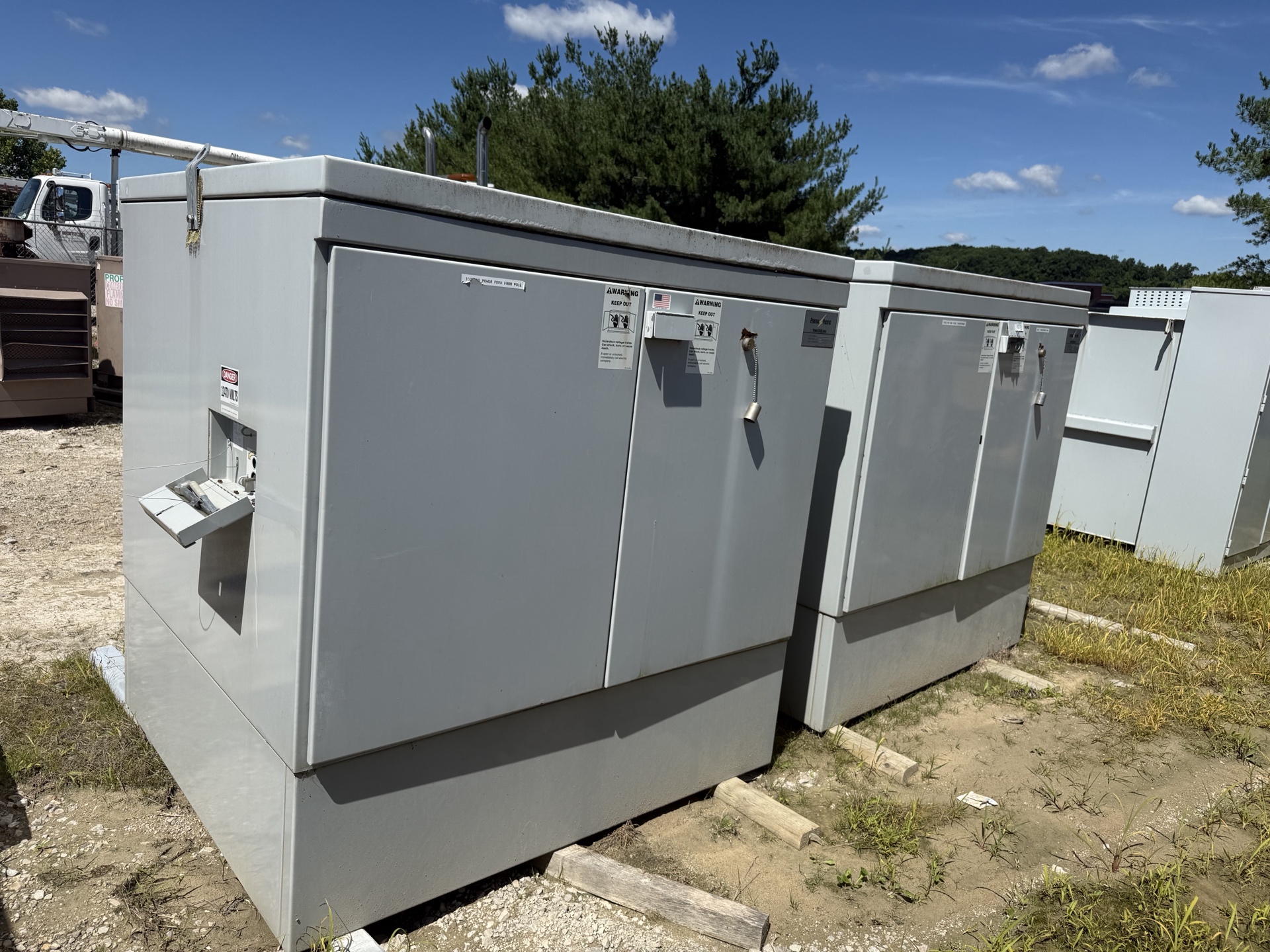
For phased closures, agree which areas may be visited and released first, who escorts or authorizes access, and how later stages will be confirmed. The seller need not prepare, test, measure, stage, or fabricate equipment for review. If photographs help, take them only of safely accessible exteriors and exterior labels or nameplates, from positions approved under site rules; never open a cabinet or photograph its interior. Any electrical work must be performed only by qualified personnel authorized for the task and working under applicable site procedures. Do not approach or handle equipment that may be energized.
Agree removal responsibilities before scheduling
For an agreed purchase, the buyer covers necessary crane service, rigging, disconnect work, loading, freight and hauling as set out in the agreement. The seller is not expected to hire or pay a removal crew. Before a date is set, document the approved access window, site contacts, route and any restrictions the site requires the removal team to observe. Only qualified, authorized personnel may perform electrical work under site rules; no one should approach, touch, open, operate, test, disconnect, remove, lift or move energized or potentially energized equipment. Removal timing remains subject to authorization and safe access.
Compare offers on scope, payment and certainty
A useful comparison checks which buildings and assets are included, what exclusions remain, who controls access, and whether the proposed handover stages are workable. For agreed purchases, the buyer makes a cash offer and pays upfront; payment terms and covered scope should be written into the agreement. Compare the stated amount against uncertainty, release conditions and timing rather than assuming every item has a recoverable value. Offers are not guaranteed, and no fixed price or completion date can be promised before the individual assessment and mutually accepted terms. Keep site authorization active through each release stage.
DECOMMISSIONING / THE COMPLETE SERVICE
From shut-down site to paid seller.
We buy electrical switchgear from decommissioned data centers and shut-down power plants. We handle all rigging and logistics: crane, rigging, disconnects, loading, freight and hauling are on us. Qualified personnel handle electrical disconnects and isolation according to site safety procedures. The seller does nothing but get paid.
We make cash offers, pay upfront, require no testing from the seller, and buy all voltage classes. Share the site and equipment details you know; photos are helpful only when they can be taken safely. Never open or touch energized equipment or disturb a live installation.