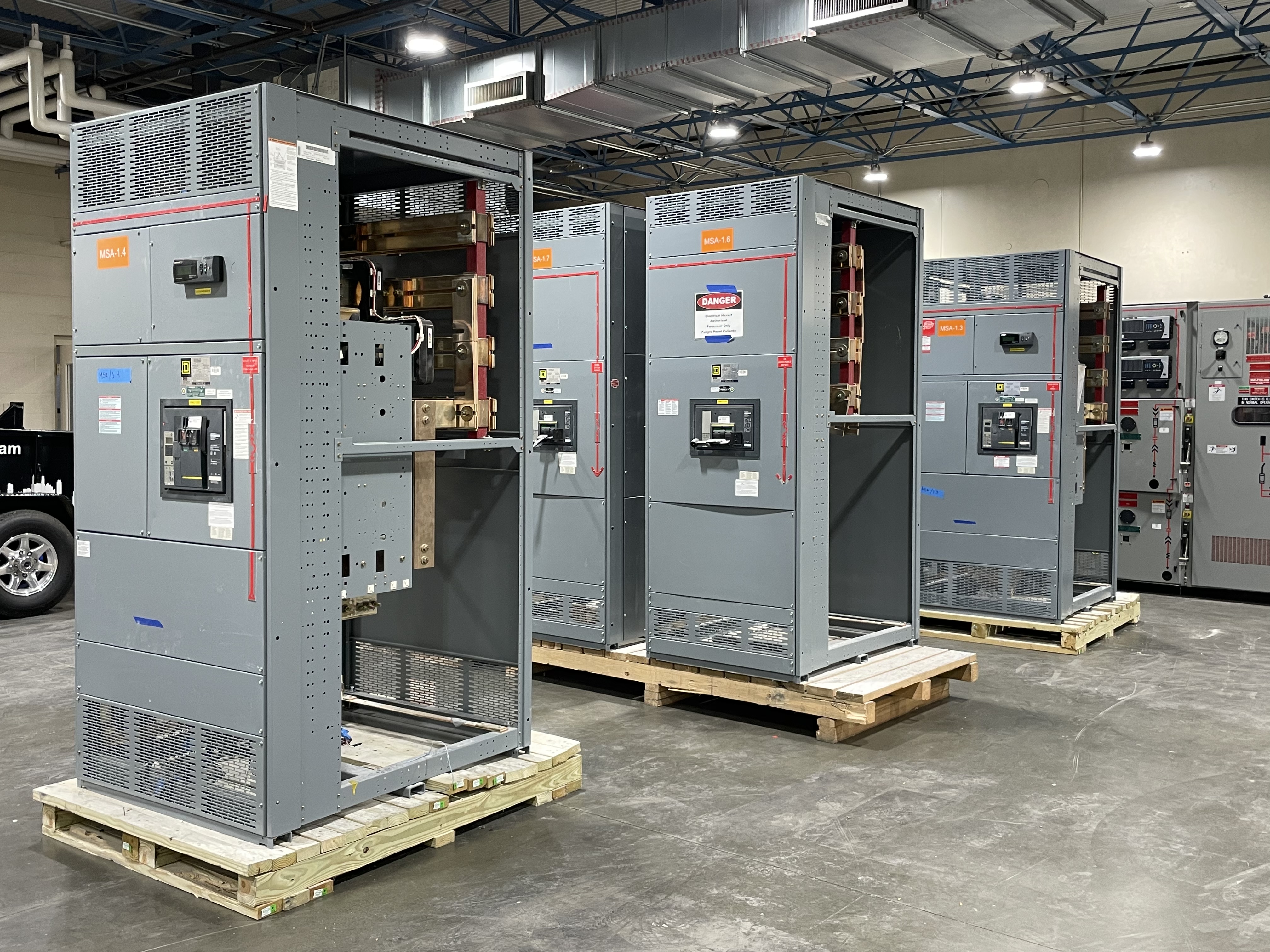
Separate installed size from shipment size
Existing drawings, packing records, prior freight documents and asset schedules may describe different configurations. An assembled lineup’s overall dimensions do not necessarily represent the dimensions of each transport piece, and a shipping record may concern a prior move rather than the current condition. Share what the records actually identify, including dates and whether the dimensions apply to an assembled assembly, a component, or a stated shipping configuration. Do not infer that equipment can be separated or that a listed dimension is verified for the present asset. Sellers need not measure, stage, dismantle, or fabricate anything to request an assessment; unresolved dimensions can be identified as unknown.
Give transport professionals usable records
For an initial review, useful existing information can include equipment schedules, outline drawings, packing lists, prior bills of lading, photographs already on file, and the pickup site’s general access and scheduling rules. Identify the record source and any uncertainty rather than converting estimates into confirmed measurements. A transport professional—not a seller—must assess whether a proposed shipment requires permits, special routing, escorts, or other arrangements under applicable conditions. Road restrictions and route suitability can depend on the actual shipment configuration and trip details. Do not treat a past route, permit, or carrier decision as approval for a new move, and do not assume that a Georgia origin determines the full route.
Keep electrical ratings distinct
Switchgear records can contain several values that answer different questions. If existing documentation supports them, distinguish nominal system voltage, assembly voltage, and continuous-current rating from a device’s frame, trip, and interrupting ratings. Do not substitute one for another or infer compatibility from a rating label. The buyer can assess available records as part of an individual purchase review; missing values need not prompt seller testing or new measurements. For photographs, provide only images of safely accessible exteriors or exterior labels and nameplates, taken from site-authorized safe positions. Never open a cabinet or provide internal photographs. No image or document overrides site rules or makes an unsafe approach acceptable.
Plan safe handover responsibility
Never approach, touch, open, operate, test, disconnect, remove, or move equipment that is energized or potentially energized. Any electrical work associated with a handover must be performed only by qualified, authorized personnel under site rules. There is no seller testing requirement. Under an agreed purchase, the buyer covers necessary crane, rigging, disconnects, loading, freight, and hauling, with scope and access coordinated for that purchase. The seller does not hire or pay a removal crew. Before acceptance, clarify site authorization, access windows, required escorts, and who may approve work; do not assume that purchase review authorizes access or electrical activity.
Weigh freight uncertainty against value
Potential oversize transport can add coordination, cost, and schedule uncertainty, but dimensions alone do not determine whether an asset is suitable for purchase. A documented assembled footprint may help describe the equipment while leaving shipment-piece dimensions, lifting arrangements, access, and route feasibility unresolved. Conversely, an old shipping record may not reflect today’s site or proposed transport. Note known constraints and distinguish them from assumptions; let qualified transport professionals evaluate routing and permit needs. The buyer makes cash offers and pays upfront for purchases that are agreed, but each asset and offer is assessed individually. Neither an offer nor timing is guaranteed, and not every item will be accepted.
Use a clear, limited transfer scope
For an assessment, send the records available and describe what is known about ownership, location within the site, access coordination, and requested timing. Mention uncertain shipment dimensions plainly. Do not create new measurements, arrange testing, stage equipment, or commission dismantling just to seek an offer. If a purchase is agreed, confirm the included equipment and the necessary removal and freight coordination before handover; a purchase does not include unrelated demolition or hazardous-material remediation. Safe exterior photos and existing records can support discussion, but acceptance depends on individual review. Preserve site control throughout: only authorized personnel perform electrical work, and no potentially energized equipment should be handled or approached for documentation.