Use labels to map retired A and B paths
Start with a limited inventory that identifies the retired A and B paths by the labels already approved for seller use, such as “A-3 UPS output” or “B-row distribution,” if those labels are accurate and safe to share. The purpose is to show which assemblies are candidates, not to publish a complete one-line diagram. Keep path identity distinct from equipment identity: a label for a redundant route does not prove that every device bearing that label is retired. Ask the site’s authorized electrical lead to confirm the inventory boundary before requesting an assessment.
Keep confidential diagrams out of the sale packet
Full facility diagrams may reveal room layouts, circuit relationships, security details, or operating dependencies. Share only information needed to identify the offered assets, and have the owner or authorized information-security contact approve any excerpts. A redacted schedule might list equipment tag, general function, assembly type, quantity, and accessible nameplate details while omitting floor plans and downstream connections. Ask the buyer what minimum information is useful before sending files. If a diagram is necessary for internal review, transfer it through an approved channel and state its permitted use; do not rely on informal screenshots or uncontrolled copies.
Separate sale candidates from live redundancy
The central tradeoff is recovery value versus continuity risk. A spare-looking breaker or bus section may support a live alternate path, even when the primary path is carrying the load. Mark proposed sale assets as candidates only until qualified, authorized personnel establish their status under site procedures. Do not treat a powered-down label, an old drawing, or a vacant rack position as proof that equipment is isolated or released. Ask the site lead to document which assets remain reserved for redundancy and which boundary is approved for sale; keep that record separate from any removal authorization.
Describe equipment precisely, without guessing ratings
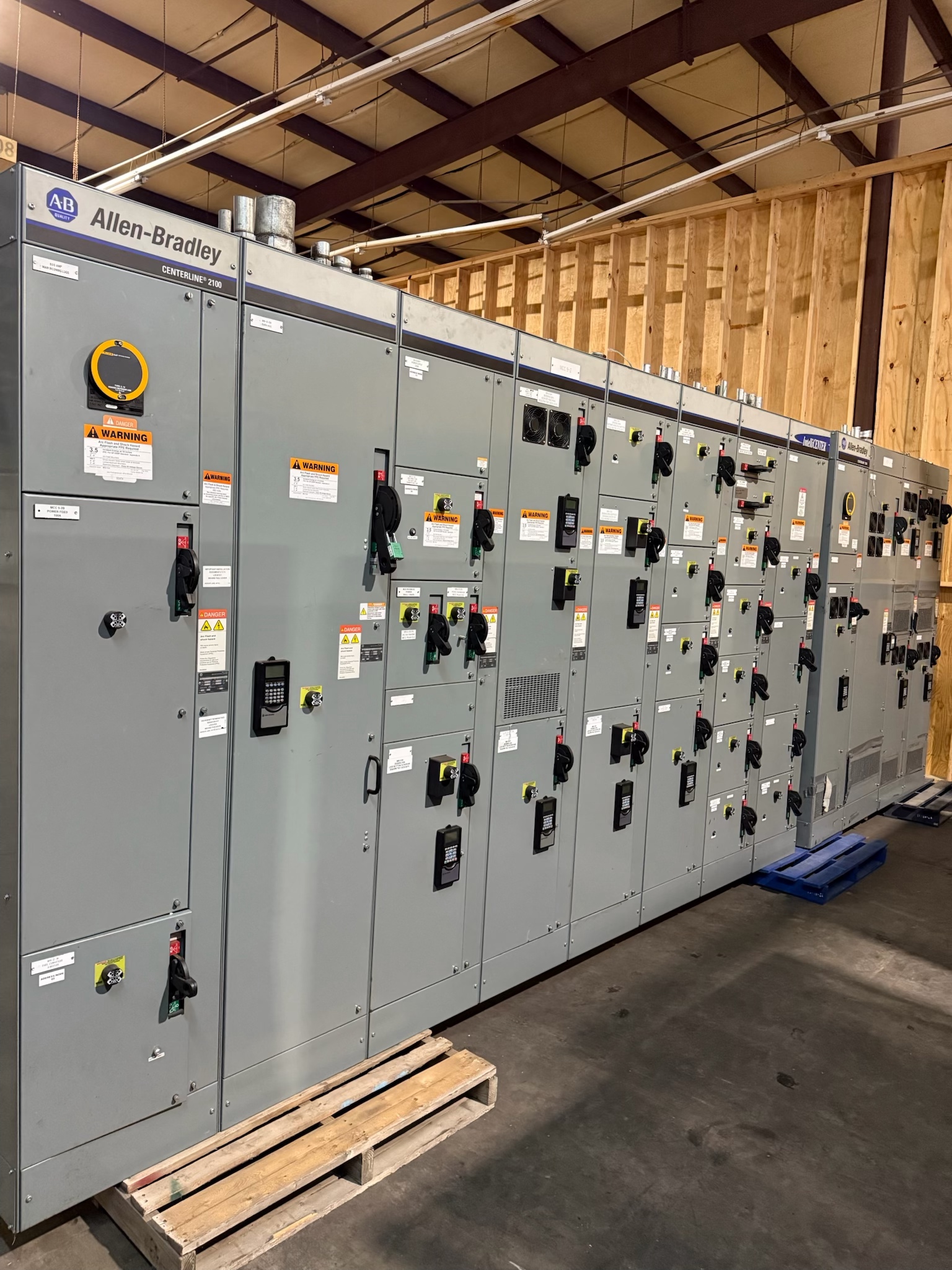
For an assessment, distinguish the switchgear or switchboard assembly from its individual breakers, and record frame size separately from trip rating where that information is safely visible and verified. Note nominal voltage and equipment ratings as stated on an accessible exterior nameplate; do not infer them from neighboring gear or a path label. A breaker’s fit or electrical suitability cannot be concluded from appearance alone. If a nameplate is obscured or the value is uncertain, report it as unreadable or unverified rather than opening equipment or testing it. Safe photographs should show only accessible exterior nameplates from authorized safe positions.
Agree on scope before planning removal
Removal planning should follow the approved equipment boundary, not the buyer’s preliminary inventory. Clarify which assemblies, breakers, accessories, and loose components are included, and which remain with the facility. If a proposed item shares supports, bus connections, or enclosures with retained equipment, flag that interface for the site’s qualified personnel to review. Electrical work, including disconnects, must be performed by qualified authorized personnel under site rules. The buyer can assess equipment and coordinate its covered disconnects, crane, rigging, loading, freight, and hauling, but a sale discussion is not permission to alter live infrastructure.
Make logistics fit the actual access conditions
Before a pickup plan is accepted, document safe access constraints: approved work windows, loading route, overhead or floor-loading limits supplied by the site, and any restrictions on staging or lifting. Share practical constraints without circulating sensitive room diagrams. The buyer covers freight and can coordinate crane, rigging, disconnects, loading, and hauling as applicable to an individually assessed transaction; the specific scope depends on the assets and site conditions. Do not assume a particular lift method or schedule before review. No seller testing or equipment preparation is required, and sellers should not handle or move equipment to make it ready.
Compare the offer with a clear transaction record
Once the inventory and boundaries are understood, request an offer tied to the listed assets and disclosed condition. The buyer purchases used, surplus, and decommissioned electrical equipment across all voltage classes, including equipment from decommissioned data centers and shut-down power plants; acceptance and value are assessed individually, not guaranteed by category or label. The offer can be for cash with payment upfront, with terms confirmed for the specific transaction. Record the agreed asset list, ownership or authority to sell, exclusions, removal responsibilities, and payment terms. Do not release equipment until authorized site personnel approve the work and the sale record is complete.