Set three separate gates before listing
Start with three named responsibilities: who can authorize a sale, who can approve electrical release, and who controls removal logistics. A property owner or authorized representative may approve disposition, while qualified authorized electrical personnel determine whether equipment can be safely de-energized and released under site rules. A facilities or demolition lead may coordinate access, sequencing, and work boundaries. One person can fill more than one role, but record each authority separately. If the contractor’s mobilization date is firm, ask who can make decisions when the primary contact is unavailable. Do not treat a buyer’s interest, an asset list, or a demolition schedule as permission to disconnect or remove equipment.
Choose a sale boundary that survives demolition planning
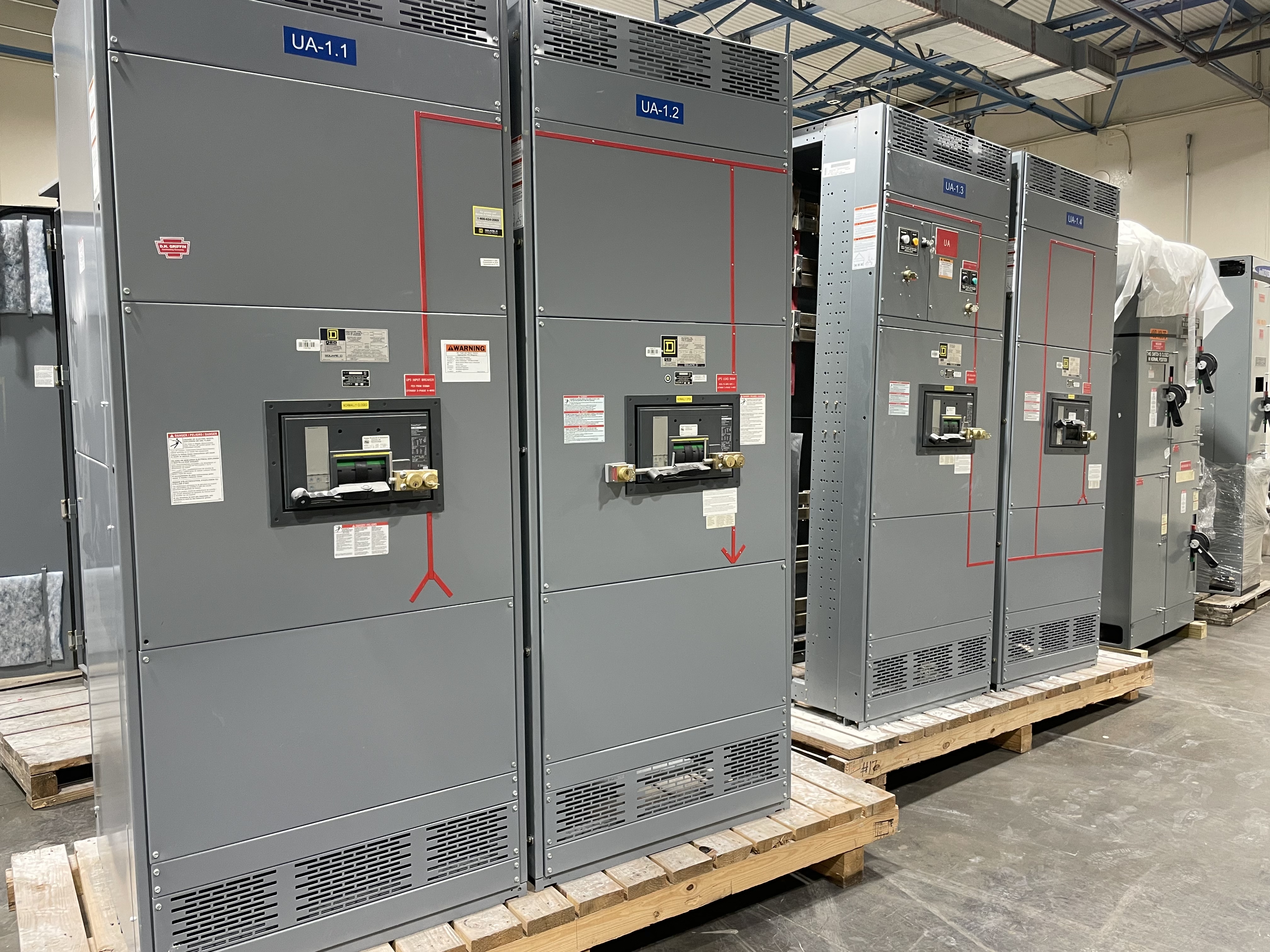
Define whether the proposed sale is limited to identified equipment or includes associated components that are also owned and authorized for sale. For example, a switchgear lineup might contain breakers that can be inventoried separately, but the lineup’s assembly, bus, frame, and other installed parts are distinct items; do not assume a breaker sale includes them. Record tag numbers or visible exterior nameplate details where safely accessible, and note what is excluded. If demolition work will begin around retained equipment, establish a clear boundary with the site lead. A written scope reduces disputes over what the buyer may acquire and what remains under the owner’s control.
Make an inventory useful without seller testing
Prepare facts that support an individual assessment, not a promise of acceptance: equipment type, manufacturer and nameplate information when safely visible, quantity, known condition, location within the site, and whether items are installed or already removed. No seller testing is required, and sellers should not open, operate, or approach equipment to gather details. Safe photographs should show only exterior nameplates or equipment from an authorized safe position. If a rating is unclear, report it as unknown rather than infer it from a breaker, frame, trip unit, or assembly label. The buyer considers used, surplus, and decommissioned equipment across all voltage classes, with each asset assessed individually.
Compare timing against release certainty
A deadline can favor listing only assets with clear ownership and an achievable release path, rather than presenting every visible item as ready for pickup. Ask the electrical lead what must happen before equipment is available and who will confirm completion; all electrical work must be performed by qualified authorized personnel under site rules. Do not ask a seller or demolition crew to make equipment safe for a sale unless they are authorized and qualified for that work. If release timing is uncertain, separate those assets from items with a confirmed sequence and disclose the distinction during assessment. This avoids planning around an assumed removal date that neither buyer nor seller controls.
Map removal duties before accepting a schedule
Removal logistics are a separate decision from sale authority and electrical release. Confirm access windows, loading area, site escort or permit requirements, equipment dimensions if known, and any restrictions that affect crane or rigging access. The buyer covers crane, rigging, disconnects, loading, freight, and hauling as applicable to an agreed transaction; the seller does not need to hire crews or prepare equipment. Ask who coordinates site access and how demolition work will be kept separate from any approved removal. If a unit cannot be reached without interfering with other work, flag that constraint for review rather than assuming a particular lift plan or pickup arrangement.
Document commercial terms and the handoff
Before the demolition contractor arrives, keep a concise record of the proposed asset scope, sale authority, release contact, access coordinator, exclusions, and unresolved questions. The buyer may make a cash offer and pays upfront for an agreed purchase; offers and acceptance are assessed individually, so do not schedule demolition around an unconfirmed outcome. Ask when payment would be made under the agreed terms and who will acknowledge the equipment handoff. If the assets come from a decommissioned data center or shut-down power plant, identify the source and ownership authority without implying that any particular facility is involved. A clear record lets each party work from the same scope while preserving site safety and control.