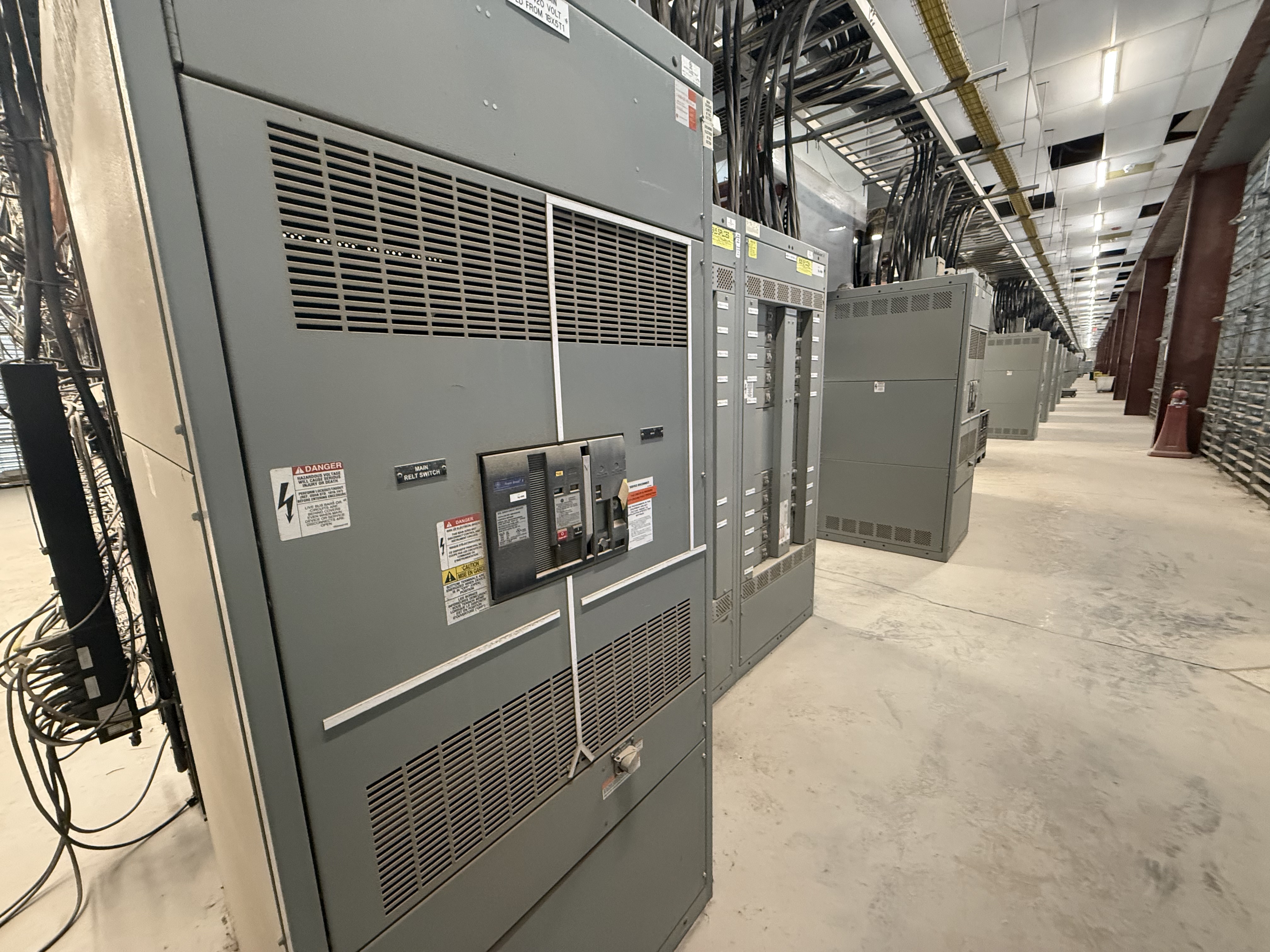
Separate ownership from permission to enter
Owning switchgear does not automatically grant permission to enter a leased electrical room or remove installed equipment. Conversely, a landlord’s control of the premises does not establish ownership of gear paid for by a tenant. If a lease is ending, compare purchase records and asset schedules with lease language about fixtures, tenant improvements, and surrender. Ask the landlord, in writing, to confirm the proposed access window and who can authorize entry. Keep ownership evidence and access permission as separate records; either may remain unresolved even when the other is clear.
Build a dated turnover timeline
Dates can change the practical decision. Record the lease expiration, any agreed extension, the date possession must be returned, and the last date the landlord will permit contractor access. If a buyer’s assessment or pickup cannot fit the authorized window, ask about an extension before assuming the equipment can remain. Identify who holds keys and who must approve scheduling. A written timeline helps distinguish a sale discussion from a commitment to remove gear and reduces the chance that a seller promises delivery by a date they cannot control.
List exclusions before describing the lot
A building may contain equipment that belongs to different parties or serves systems the landlord expects to retain. Make an inventory by visible assembly and location, then mark each item as included, excluded, or ownership unconfirmed. For example, a tenant-owned lineup might connect to landlord-owned distribution equipment; that does not make the adjacent assembly part of the sale. Do not infer ownership from shared enclosures, labels, or physical connection. Provide records and safely accessible exterior nameplate photographs only from authorized safe positions, without approaching or handling equipment.
Resolve lien questions without guessing
A lender, contractor, lessor, or other claimant may have an interest that affects the seller’s authority to transfer equipment. A paid invoice alone may not answer whether a security interest was released or whether a contractor claim remains open. If lien status is uncertain, identify the claimant and request appropriate written release or clarification through the seller’s legal or finance contacts. Do not represent the gear as unencumbered based on assumption. An individual offer can be assessed, but unresolved title or authority may affect whether a transaction can proceed.
Describe the equipment without confusing ratings
For an initial review, distinguish the complete switchgear assembly from individual breakers and record what can be confirmed from existing documents. A breaker’s frame size is not necessarily its trip setting or rating; neither establishes the assembly’s rating or nominal voltage. Share legible, safely accessible exterior nameplate details and available drawings, while marking unknowns as unknown. Buyers consider equipment across all voltage classes, but that does not mean every item will be accepted. No seller testing is required, and nobody should operate, open, or test gear to fill gaps.
Coordinate removal around authorization and safety
Electrical work must be performed by qualified, authorized personnel under site rules. The seller should not disconnect, rack out, move, or prepare energized equipment; no seller preparation is required. If access and title are clear and an offer is accepted, the buyer covers applicable disconnects, crane and rigging, loading, freight, and hauling. Confirm in writing the allowed work area, access hours, exclusions, and who can approve entry. The buyer does not remove a landlord’s property merely because it is adjacent to the offered equipment.
Compare the offer with the turnover decision
Ask whether the proposal is for identified items only, what documentation is still needed, and how payment and authorized pickup would be coordinated. The buyer offers cash and pays upfront, with assets and offers assessed individually; that is not a guarantee of acceptance, price, or timing. A seller deciding between sale and retention should compare the offer with the cost and authority required to keep equipment in place, not assume removal is mandatory. If the lease deadline, exclusions, or lien status remain unclear, resolve those points before making a binding access or transfer commitment.