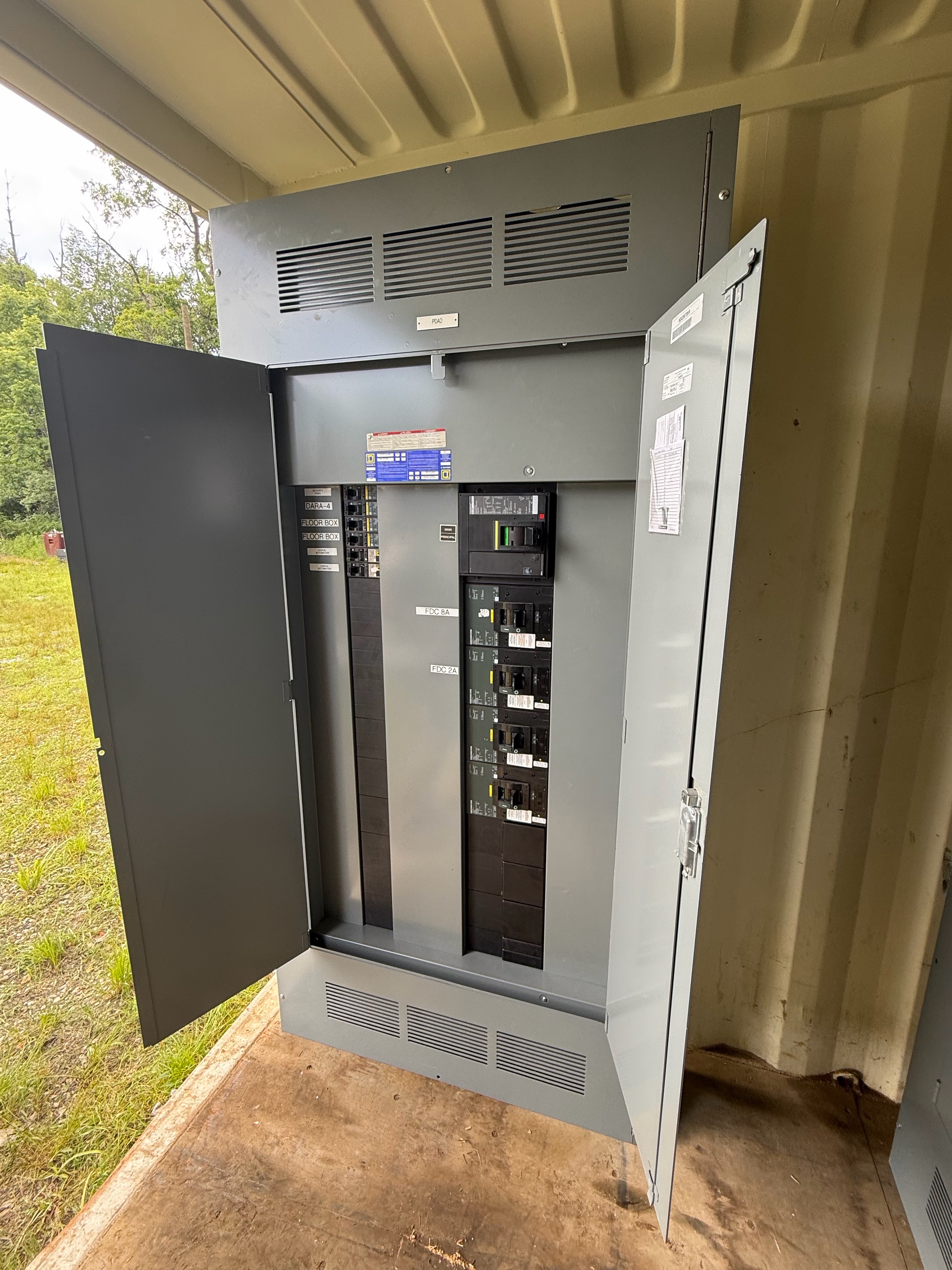
Separate the line package from shared plant distribution
Start with the boundary between equipment dedicated to the relocated line and distribution that still supports production. A section may contain starters for the departing line alongside feeders, control circuits, or spare buckets tied to retained equipment. For example, one lineup may serve two adjacent lines while only one line is moving. Its location beside the moving machinery does not establish that every section is surplus. Ask facilities and engineering staff to identify served loads, shared connections, and the approved removal boundary using existing records. Have qualified authorized personnel handle any electrical investigation or work under site rules. Record uncertainties rather than treating a visual grouping as proof of ownership or safe separation.
Identify mixed MCC sections before defining a lot
When an MCC includes both released and retained sections, describe the proposed lot at section or component level instead of calling the entire lineup available. A section can be a structural assembly; its breakers, bus, starters, and wiring are distinct items with different functions and conditions. If only certain sections are released, document their lineup positions using existing labels or drawings and note adjacent retained sections. Do not assume sections can be separated as a simple mechanical task: bus arrangements, barriers, and site-specific interfaces matter. Ask the authorized electrical team to establish what may be disconnected and when. That boundary helps an initial assessment without implying that the buyer has accepted every connected component.
Distinguish spare starters from installed line equipment
Spare starter units may be more straightforward to identify than installed equipment, but “spare” should still be verified against plant records and ownership authority. A unit stored in an MCC compartment might be an operational replacement reserved for the remaining plant, not surplus from the relocated line. Note whether each item is installed or stored, its compartment or storage location, and any available label information. Keep breaker and starter descriptions separate: a breaker’s ratings and function do not establish a starter’s motor-control configuration. If documentation is incomplete, mark the detail unknown rather than inferring compatibility, voltage, or intended use. Any physical inspection must occur only from an authorized safe position and without opening equipment.
Use records and safe exterior photographs to reduce ambiguity
Useful assessment material can include an asset list, existing one-line or MCC drawings, equipment schedules, and a written release boundary approved by the owner. Share only records the seller is authorized to provide. Safe photographs may show exterior nameplates and equipment from authorized safe positions; never approach or access equipment to obtain an image. Avoid photographs that reveal restricted plant information. Capture readable manufacturer and identification labels only when they are safely accessible, and pair them with the item’s location in the proposed lot. Note missing plates, uncertain descriptions, and whether documentation refers to the full assembly or an individual breaker or starter. These distinctions make an initial review more grounded without requiring seller testing or claims about performance.
Plan removal around the live plant’s operating constraints
If retained distribution remains energized, removal planning must protect ongoing operations and follow the site’s authorization, outage, and access controls. The seller does not need to test equipment or prepare it for us. Electrical disconnects and any other electrical work must be performed by qualified authorized personnel under site rules; no one should handle or access energized equipment for removal or documentation. Clarify who controls access, which items are released, and when the site may authorize a safe pickup window. We buy across all voltage classes, but that does not mean every configuration is suitable or accepted. Voltage, ratings, condition, completeness, and the specific lot are considered individually, not inferred from neighboring equipment.
Compare sale scope with pickup logistics
Once the release boundary is clear, compare offering only line-dedicated sections and verified spare starters with offering a broader surplus lot. A narrow lot may reduce uncertainty around retained distribution; a broader lot may be easier to evaluate if ownership and removal boundaries are documented. We make cash offers and pay upfront, with no seller testing required, but acceptance, pricing, and timing depend on individual assessment. For equipment we agree to buy, we cover buyer-paid freight and arrange crane, rigging, disconnects, loading, and hauling as applicable. Share site access limits, pickup constraints, and the approved equipment list early. Share the Savannah pickup address, the location within the facility, and the authorized site contact so access and collection can be evaluated.