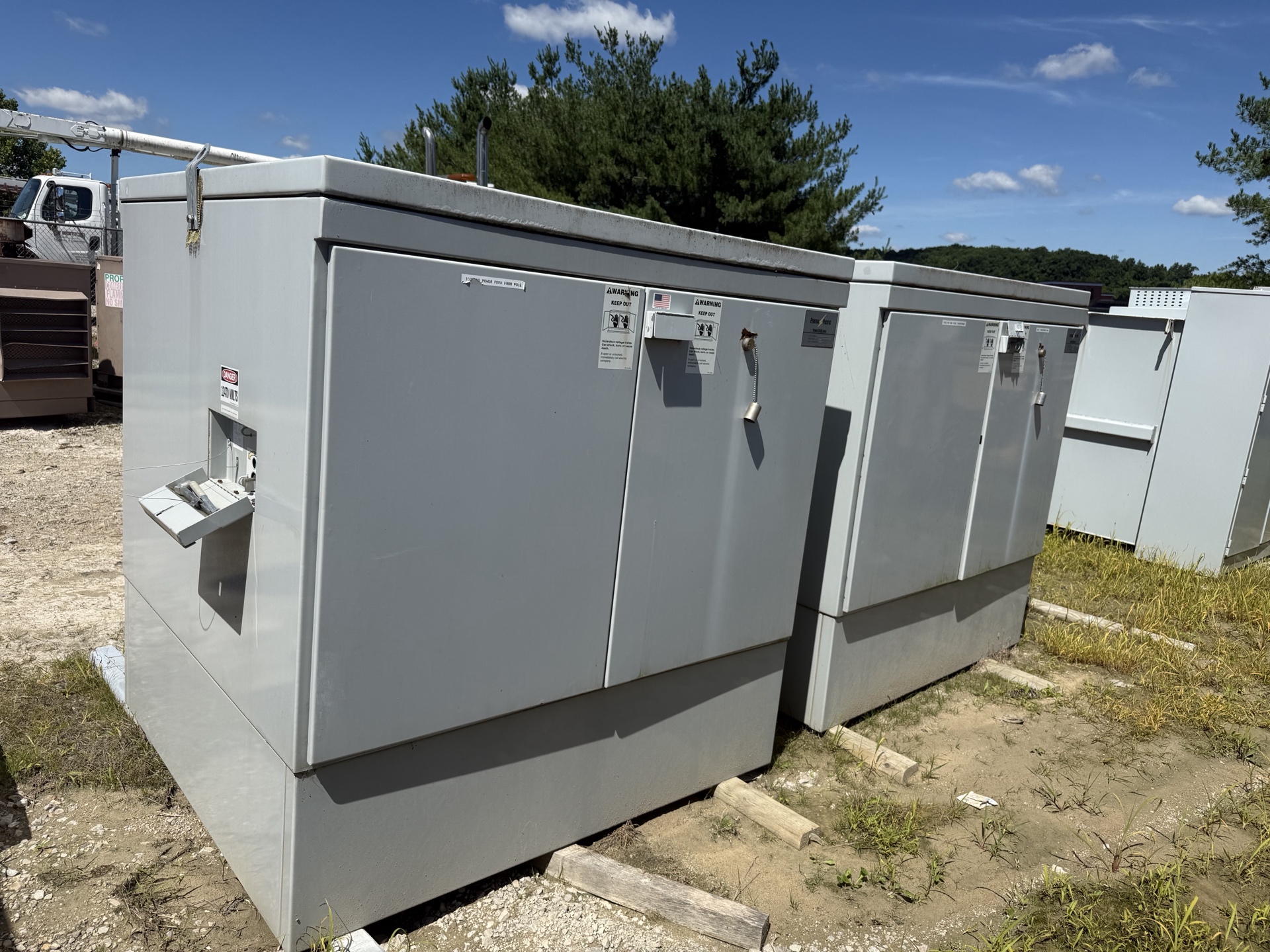
Start with the property-transfer record
A sale of premises can include electrical equipment, even when the former owner thinks of particular units as movable spares. Check the signed purchase agreement, closing statement, asset schedules, and any later amendment for language covering switchgear, electrical components, or equipment left on site. A schedule that identifies retained property can help establish intent, but it should be read alongside the executed transfer documents and any written permissions. If the paperwork is unclear, ask the parties responsible for the closing to resolve ownership before requesting an offer. Do not assume that a removable assembly was excluded just because it was not operating or was not mentioned in a casual conversation.
Confirm authority to sell each item
Ownership and authority may differ when a former business, property buyer, landlord, lender, or another entity has an interest in the retained assets. Identify the legal owner of each item and who is authorized to sign a sale agreement. If the spares belonged to a company that has since changed hands or ceased operating, confirm that the person acting for it can approve the disposition. For equipment left behind under a storage or access arrangement, get written consent from whoever controls the premises. A buyer can assess an asset individually, but an assessment does not settle a title dispute. Resolving authority first can prevent a sale from conflicting with transfer terms or another party’s rights.
Build an inventory that matches the records
Prepare a list that links each retained item to the property-transfer paperwork: describe the assembly, quantity, apparent condition, and where it is situated, using records or observations made from authorized safe positions. Distinguish a complete switchgear assembly from separately retained breakers, bus components, or spare parts; do not treat them as interchangeable inventory. Record manufacturer and nameplate details only when safely visible from an authorized position without opening, approaching, or touching equipment. If a detail is obscured, mark it unknown rather than guessing. Matching the list to the closing schedule helps reveal whether an item was expressly retained, included with the premises, or simply omitted from a document that needs clarification.
Describe ratings without guessing
For an offer review, identify only ratings that can be documented safely, and keep distinct terms distinct. An assembly’s nominal voltage is not the same as a breaker’s voltage rating; frame size, trip configuration, and interrupting rating are separate details, too. A visible exterior nameplate may provide useful information, but it does not establish the condition or suitability of every component. If a rating cannot be read safely, say so. We buy used, surplus, and decommissioned equipment across all voltage classes, with each asset assessed individually. No seller testing is required. Do not energize, open, test, or otherwise handle equipment to fill gaps; technical electrical work belongs to qualified, authorized personnel following site rules.
Compare the sale with removal responsibilities
When reviewing a purchase, clarify what assets are included, the agreed access conditions, and who will perform each removal task. For an agreed purchase, the buyer covers applicable disconnects, crane and rigging, loading, freight, and hauling; the seller is not expected to hire or pay a crew for these services. Any disconnect or other electrical work must be performed by qualified, authorized personnel under site rules. The scope depends on the equipment and access arrangement, so do not assume every service applies to every sale. Before committing, document site permissions, access limits, and any equipment that must remain. This lets the parties distinguish a purchase from unrelated demolition or other work outside its scope.
Review the offer and payment terms
Once authority, inventory, and access are clear, request an individual assessment rather than assuming every listed item will be accepted or valued alike. We make cash offers and pay upfront for agreed purchases; confirm the amount, included assets, payment timing, and conditions in the written agreement before transfer. No seller testing or special equipment preparation is required. If the seller needs the spares until a specified date, or if a premises buyer requires certain items to stay, state that before agreeing on removal. Keep copies of the signed sale terms and any transfer permissions with the inventory. That record connects the right to sell with the particular assets actually conveyed.