Make two location records before describing the lot
List the leased building and storage unit separately, even if the gear was acquired or decommissioned as one group. For each location, record the site address for private correspondence, the seller’s legal entity, the person authorized to discuss a sale, and the person who controls access. Note the lease or storage agreement’s relevant end date, any notice deadline, and whether written owner or landlord permission is required for a buyer’s visit or collection. Keep these permissions independent: approval for one address does not establish access rights at the other. Baldwin County can be a potential collection area, but location alone does not confirm availability, access, or acceptance of any equipment.
Separate ownership from permission and timing
A seller may own equipment while a landlord, storage operator, or other party controls when and how the site can be accessed. Match each proposed item to evidence of ownership or authority to sell, such as an asset register, purchase record, decommissioning record, or written authorization. Separately document the access contact, approved dates, expiration dates, and any conditions on scheduling or contractor entry. If permission remains pending, identify it as pending rather than presenting the whole lot as ready for collection. This distinction helps prevent an agreed purchase from being confused with guaranteed access. Do not request or perform electrical work to resolve an access or ownership question; site rules and authorized personnel govern such work.
Describe the equipment without mixing ratings
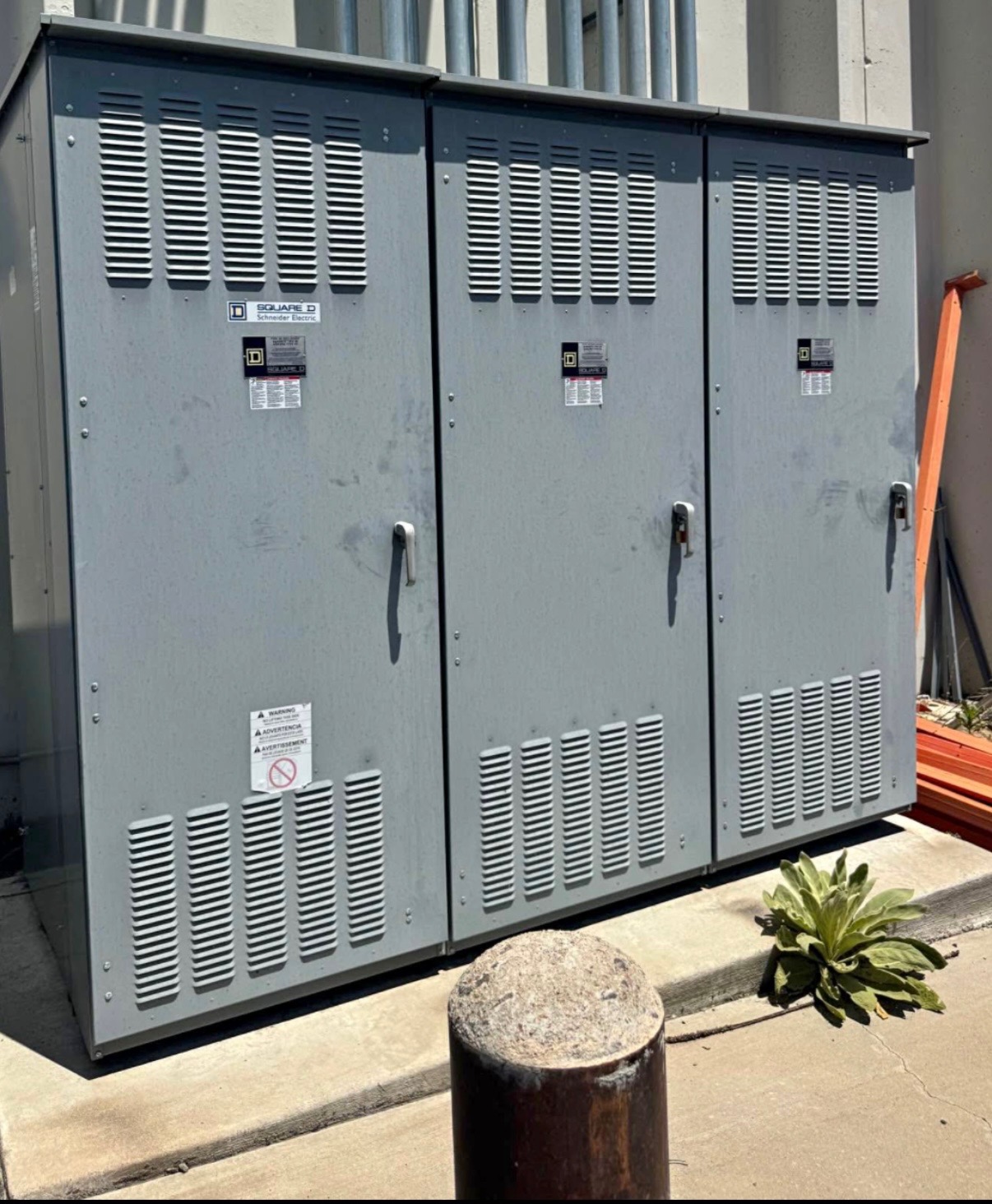
Prepare an inventory by location and equipment type: for example, switchgear, switchboards, breakers, or related electrical assemblies, only where the seller can identify them from existing records or safe exterior views. Transcribe visible exterior labels and nameplates as written; keep assembly voltage, nominal system voltage, ampere rating, frame, trip, and interrupting ratings distinct rather than treating one as a substitute for another. Include manufacturer and model only when legible, and mark missing or uncertain details plainly. A buyer of used, surplus, and decommissioned equipment across all voltage classes may assess gear from varied sources, including decommissioned data centers and shut-down power plants. That does not establish condition, compatibility, or acceptance of any particular item.
Share only safe, useful information
Useful initial material can include an itemized list, approximate quantities, known ownership records, the two independent permission timelines, and exterior photographs taken only from site-authorized safe positions. Photograph only safely accessible exteriors and exterior labels or nameplates; do not open cabinets or take internal photographs. Do not approach, touch, operate, test, disconnect, remove, or move energized or potentially energized equipment to improve an inventory. No seller testing is required, and no seller preparation is required to request a purchase assessment. If a label cannot be read safely, report it as unavailable instead of seeking closer access. Share access details privately with appropriate contacts, and avoid posting addresses, security arrangements, or confidential site records publicly.
Resolve exclusions and commercial uncertainty early
Ask the buyer to assess each location and item individually, identifying what is included in any written offer and what is excluded or unresolved. Equipment condition, completeness, ownership evidence, access permissions, timing, and collection constraints can affect an assessment; an inventory or photograph is not a promise of purchase or a fixed price. The independent buyer makes cash offers and pays upfront for agreed purchases. Each offer and acceptance is individually assessed, so neither price nor timing is guaranteed. Clarify whether loose accessories, associated records, or items at the second location are included rather than assuming they travel with a main assembly. A purchase assessment does not include unrelated demolition or hazardous-material remediation.
Coordinate handover by address and permission window
For an agreed purchase, confirm in writing which location supplies each accepted item, who authorizes entry, the permitted collection dates, and any site check-in or contractor rules. Under the agreed purchase, the buyer covers applicable crane, rigging, disconnects, loading, freight, and hauling; the seller does not hire or pay a removal crew. This does not authorize work outside the agreement or override site controls. All electrical work must be performed by qualified, authorized personnel under site rules. Keep each address’s schedule separate, particularly if a lease or storage permission expires first, and resolve access in advance without asking the seller to prepare or move equipment. If safe access or required permission is unavailable, pause that location’s handover and revise the plan.