Start with the list, not the layout
A section-level asset list may name lineups, breakers, or switchgear sections without showing their current positions or whether listed items remain installed. Treat it as a lead, not a verified map. Compare it with available asset registers, older one-lines, purchase records, and decommissioning notes, marking each entry as confirmed by a record, visually identified from a safe position, or unresolved. Do not infer that neighboring sections belong to one sale simply because they share a list or drawing. A buyer can assess an inquiry using reported information; a seller need not reconstruct a layout or prepare equipment.
Reconcile identification without approaching gear
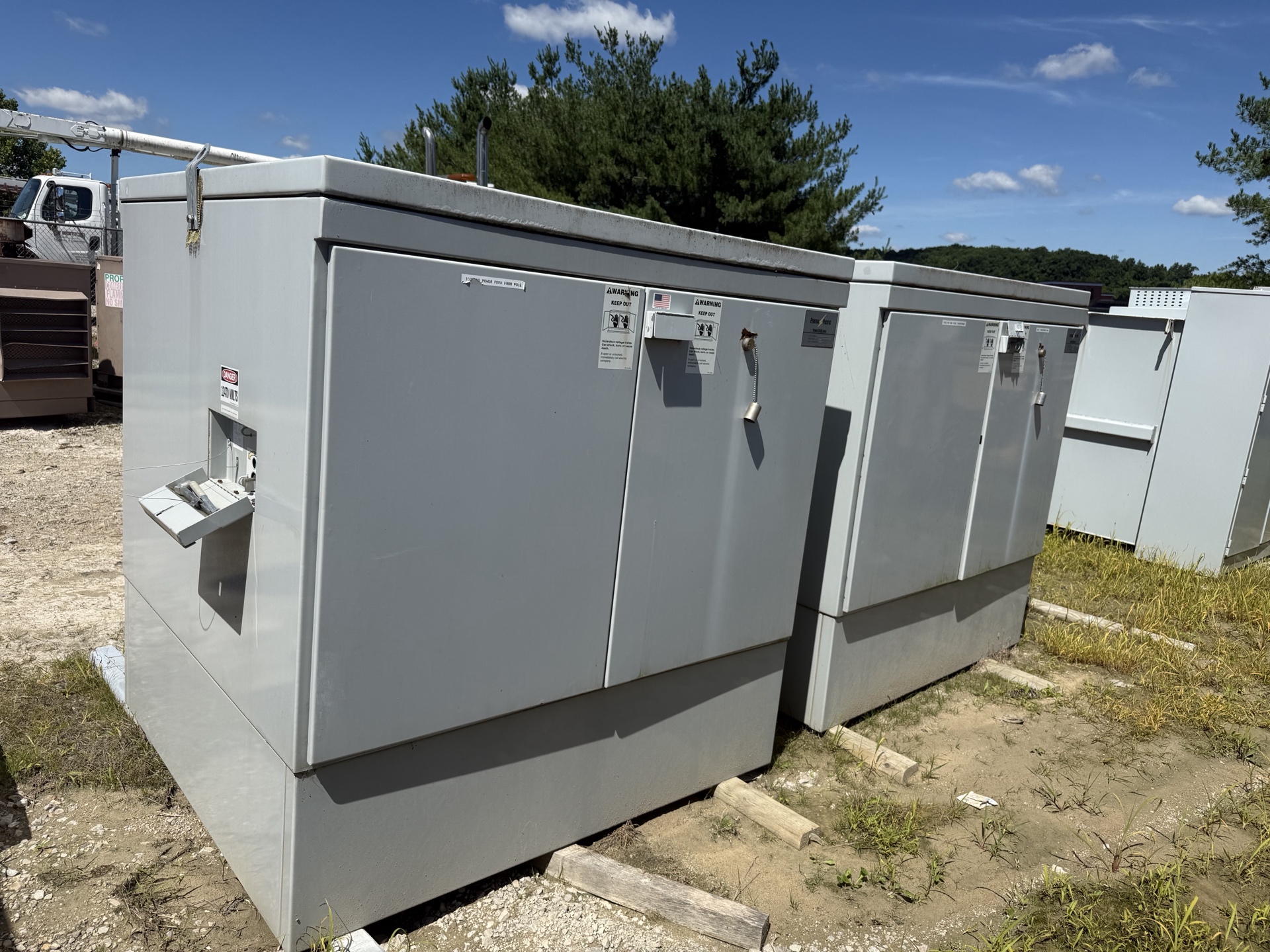
Where site rules permit and the location is safely accessible, record exterior labels and nameplates from a site-authorized safe position. Photos should show only safely accessible exteriors and exterior identification; do not open cabinets or take internal photographs. Never approach, touch, operate, or test energized or potentially energized equipment to improve an inventory. If an identifier cannot be read safely, report it as unavailable rather than asking someone to get closer. Electrical work, including any later isolation or disconnection, must be performed only by qualified, authorized personnel under site rules. No seller testing is required for a purchase assessment.
Keep document types and ratings distinct
A one-line diagram, section schedule, nameplate, and breaker record answer different questions. A drawing may describe a system arrangement; an exterior plate may identify equipment; a breaker record may describe a particular device. Preserve the source and date for each detail, and label copied data as historical when its currency is uncertain. Do not equate nominal system voltage with assembly or equipment voltage, or confuse ampere rating, frame, trip, interrupting rating, or compatibility. Report what a document actually states and leave unverified values blank. The buyer purchases equipment across all voltage classes, but that does not establish suitability or acceptance of any listed asset.
Describe gaps as decision information
For each section, provide the recorded description, quantity if known, apparent status if documented, and the basis for that information. Separate installed, removed, stored, and unknown rather than blending them into one count. Note conflicts between records without choosing a preferred version unless the site has verified it. A safely photographed exterior label can help distinguish similar entries, but it cannot establish internal condition or completeness. Do not fabricate identifiers, remove covers, or arrange testing for an inquiry. The buyer considers used, surplus, and decommissioned equipment, including equipment from decommissioned data centers and shut-down power plants; each offer remains individually assessed.
Share only information authorized for release
Before sending records, confirm that the facility permits their disclosure. A concise inventory extract can include asset descriptions, visible exterior identifiers, record dates, quantities, and clearly marked unknowns; omit access codes, security-sensitive layouts, personal information, and restricted operating details. Share drawings only when authorized, and avoid implying an old plan reflects present conditions. Images must be limited to safely accessible exteriors and exterior labels or nameplates, taken from site-authorized safe positions. If safe photography or access is not permitted, a text description is enough to begin an assessment. No internal image or seller-prepared equipment package is required.
Set handover scope before accepting
Clarify which listed assets are offered, what remains uncertain, and whether the site can release them under its own approvals. An inquiry is not an acceptance: the buyer assesses each proposed purchase and makes a cash offer for agreed equipment, then pays upfront for agreed purchases. If a purchase is agreed, the BUYER covers applicable crane, rigging, disconnects, loading, freight, and hauling under that agreement; the seller does not hire or pay a removal crew. All electrical work follows site rules and is performed only by qualified, authorized personnel. No offer, acceptance, or schedule is guaranteed.
Separate equipment pickup from other site work
For Lamar County, Georgia, describe pickup conditions only as known and authorized: site contact, applicable access rules, release requirements, and any timing constraints. Do not promise a route, lifting method, or collection date from an incomplete layout; those details require coordination after an agreed purchase. The transaction concerns specified electrical equipment, not general demolition or hazardous-material remediation, and no seller should prepare, disconnect, stage, or move gear for an inquiry. Keep potentially energized equipment undisturbed. A clear list of confirmed items and unresolved entries lets the buyer evaluate a possible collection while preserving safe boundaries and avoiding assumptions about what the records cannot prove.