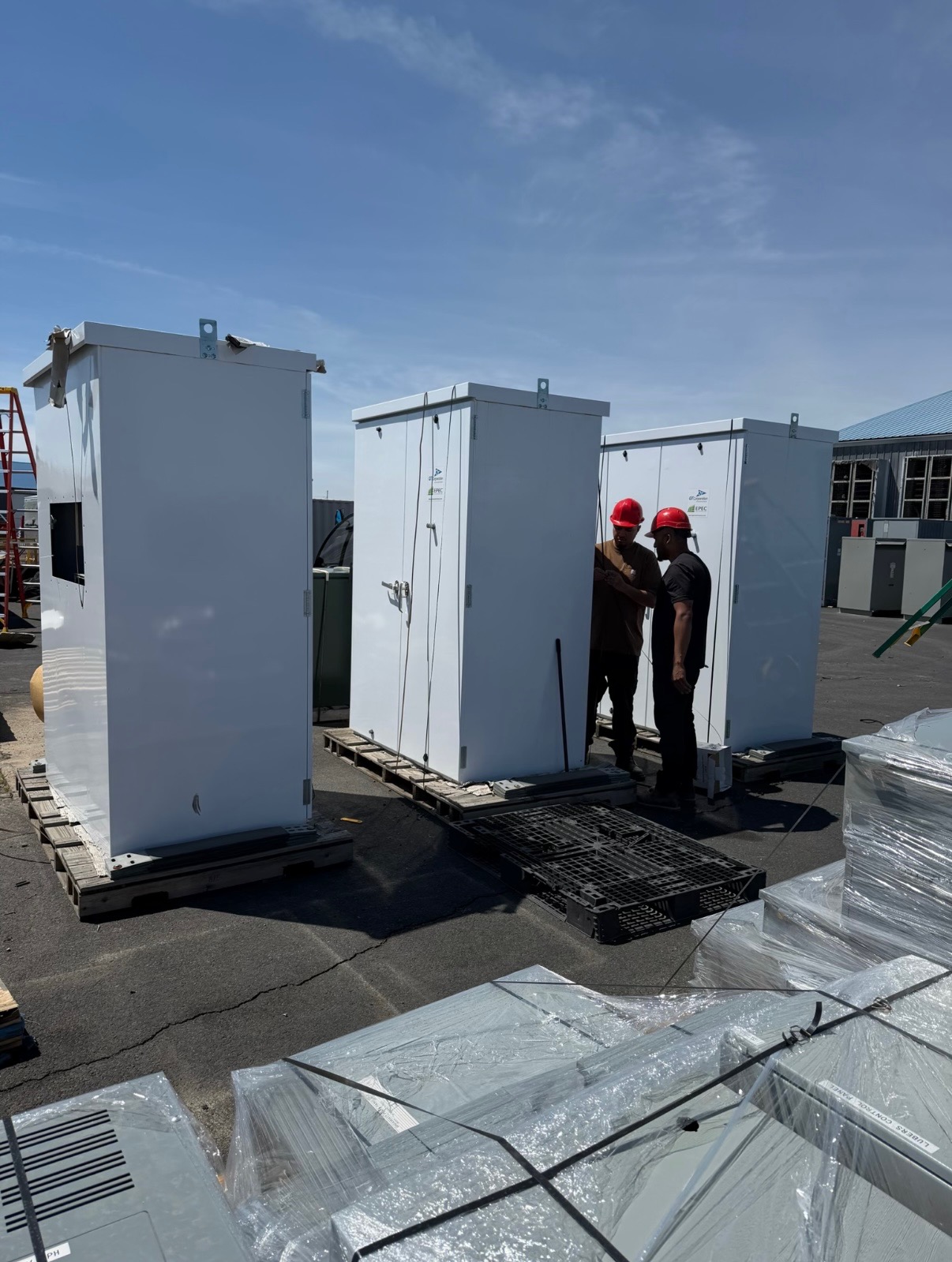
Define the electrical portion of a mixed estate
Start with the estate inventory or sale schedule, if one exists, and identify switchgear separately from unrelated machinery. Useful context may include the equipment’s general location, whether it appears to be a standalone lineup or part of a larger installation, and whether ownership and sale authority are clear. Do not move equipment to make an inventory easier. An initial review can consider the available records and safely obtained exterior information; it does not require the seller to test, measure, stage, or prepare assets. Any offer remains subject to an individual assessment of the proposed purchase.
Use existing records, not new fieldwork
Available documents can help describe the equipment without creating extra work at the site. Relevant records may include prior inventories, purchase or maintenance documents, one-line diagrams, and existing photographs. If photographs are appropriate, limit them to safely accessible exterior views and exterior labels or nameplates, taken only from positions permitted by site rules. Never open a cabinet or photograph its interior. Do not approach, touch, open, operate, test, disconnect, remove, or move gear that is energized or may still be energized. No seller testing is required to request a purchase assessment.
Keep electrical ratings distinct
Records can contain several values that should not be treated as interchangeable. A nominal system voltage is not automatically the assembly’s voltage rating; continuous current is not the same as a breaker’s frame or trip rating; and none of those values establishes interrupting capacity or compatibility. An assessment can report a value only where existing records support it, with the type of rating identified. If documentation is missing or unclear, describe that as unknown rather than infer a specification from appearance, a partial label, or the equipment’s former location.
Consider the tradeoffs in a bundled sale
Including switchgear in a broad estate disposition may simplify scheduling, but a single combined lot can make it harder to distinguish electrical equipment from machinery with different handling needs. Separate inventory lines can make ownership, scope, and access clearer; keeping assets bundled may suit the seller’s wider process. Either approach can be considered, but the buyer may assess only specified equipment and is not obliged to accept a whole estate or any particular item. The purchase scope, price, access conditions, and removal plan should be agreed before work is arranged.
Plan removal around site authorization
Under an agreed purchase, the buyer covers the necessary crane, rigging, electrical disconnects, loading, freight, and hauling included in the agreed scope. The seller does not need to hire or pay a removal crew. Before any work, the parties should align on access, scheduling, site restrictions, and responsibility for authorizing the work area. Electrical tasks must be carried out only by qualified personnel authorized for that work and operating under the site’s rules. No one should handle or move equipment that is energized or potentially energized.
Make payment and timing explicit
For an agreed purchase, the buyer makes a cash offer and pays upfront under the agreed terms. The amount, assets covered, payment timing, and conditions should be confirmed before removal begins; an initial inquiry is not a guaranteed price or acceptance. Assessment and scheduling depend on the specific equipment, records, access, and agreement between the parties, so neither a particular offer nor a completion date is assured. A seller can ask for a clear written scope that distinguishes the electrical assets from unrelated estate contents before accepting.
Set practical exclusions before handover
Clarify what is outside the sale, including unrelated machinery, retained parts, and any property that is not authorized for transfer. The buyer’s removal responsibilities apply to the agreed equipment and do not amount to a promise to demolish structures or manage hazardous-material remediation. If site conditions, access limits, or records leave important questions unresolved, pause the handover discussion until authorized representatives can address them. This keeps the estate’s broader disposition separate from the electrical purchase and avoids treating unknown conditions as a seller’s duty to investigate or correct.