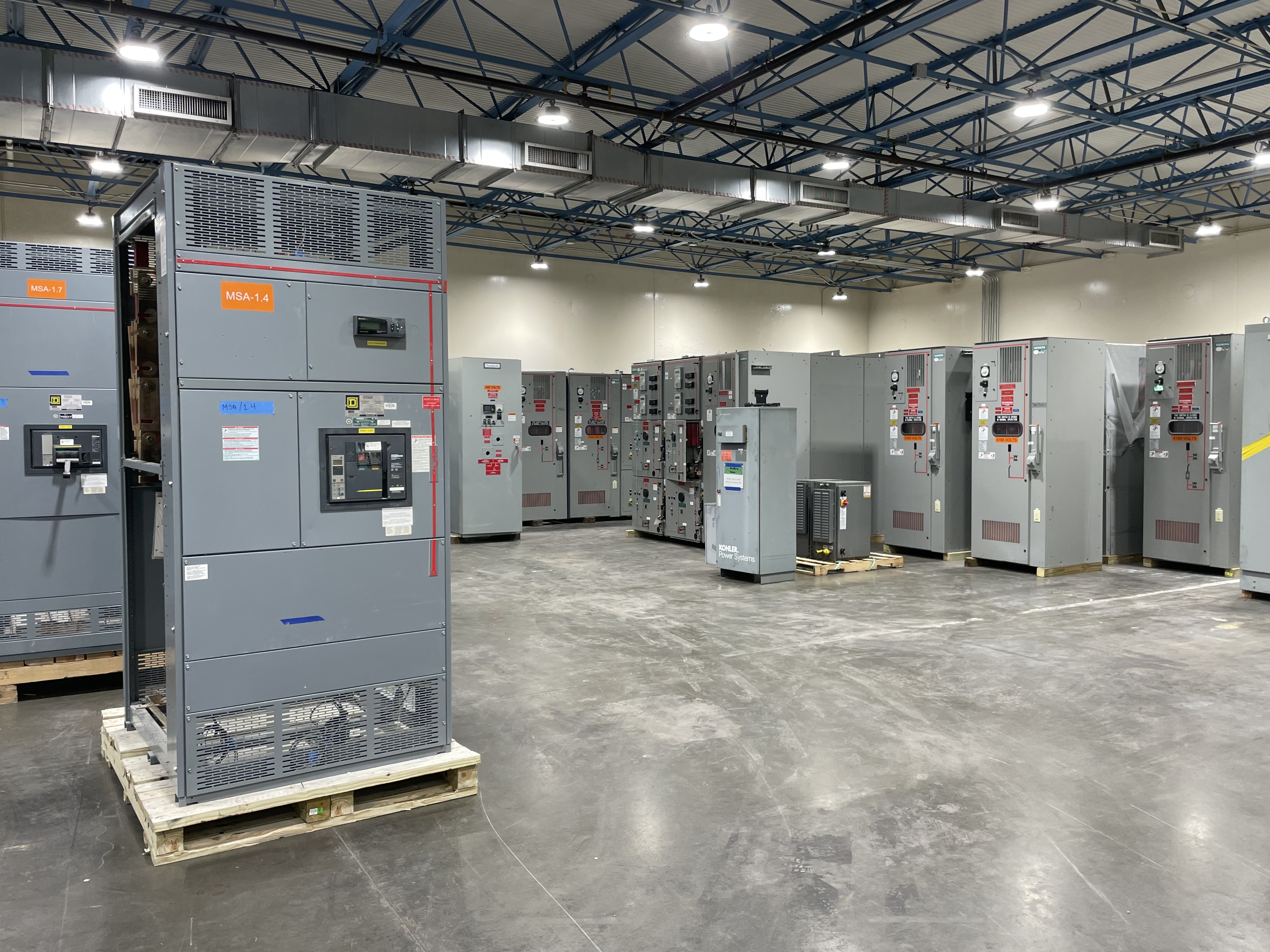
Confirm ownership before discussing a sale
Equipment staged at a client location may belong to the contractor, the client, a lender, or another party under a project or rental agreement. Do not treat possession as authority to sell. Review purchase orders, invoices, asset registers, contract terms and any written direction governing abandoned or surplus property. If ownership is disputed or unclear, pause the sale discussion until the authorized owner or representative confirms who can approve it. A buyer’s assessment is not permission to access or remove equipment. This step protects both the site and the parties from a later claim, and helps identify the correct seller and decision-maker.
Use existing records to describe the gear
Useful information may include manufacturer and model markings, available drawings, prior asset records, service history and documents already held by the owner. Share only records you are authorized to disclose. Keep distinct values distinct: nominal system voltage, assembly voltage, continuous-current rating, device frame, trip setting and interrupting rating are not interchangeable. A nameplate may not establish every rating or confirm suitability for another installation. Missing or conflicting details should be identified as unknown rather than estimated. No seller testing, measurements, fabrication or staging is needed to request a purchase assessment; the buyer can decide whether the available information is enough to make an offer.
Photographs and access: keep the boundary safe
If the site authorizes photographs and a person can take them from a safe position, exterior views and exterior labels or nameplates may help identify the equipment. Do not open a cabinet or take interior photographs. Nobody should approach, touch, open, operate, test, disconnect, remove or move switchgear that is energized or may be energized. Follow site access restrictions and directions from the responsible facility authority. Electrical tasks, including any isolation or disconnection approved by the site, belong only to qualified, authorized personnel working under site rules. If safe access is uncertain, skip photographs and rely on records instead; a purchase inquiry must not create pressure to enter a restricted area.
What a purchase assessment can—and cannot—establish
Switchgear from a contractor’s staged materials may be incomplete, reserved for another job, weather-exposed, or subject to client requirements; check each possibility against available records rather than assuming it applies. Identify known missing components, storage conditions and any restrictions from existing records or the owner’s representative. A buyer purchases equipment across all voltage classes and also evaluates equipment from decommissioned data centers and shut-down power plants, but that breadth does not guarantee acceptance of a specific item. Each offer and acceptance depends on its own review. Do not infer compatibility, remaining service life or a complete assembly from a label or a partial record.
Agree on removal responsibilities before scheduling
For an agreed purchase, the buyer covers the necessary crane, rigging, disconnects, loading, freight and hauling as part of the removal plan. The seller is not expected to hire or pay a crew. Before a date is set, the authorized site contact and buyer should confirm access approval, work boundaries, scheduling constraints, and who coordinates any site-controlled electrical work. Qualified, authorized personnel must perform electrical work in accordance with site rules; no one should improvise isolation or removal. Do not move equipment to make it easier to collect. The plan applies to the agreed purchase only and does not include unrelated demolition or hazardous-material remediation.
Cash terms, timing and a practical handover
For equipment accepted under an agreed purchase, the buyer makes a cash offer and pays upfront as agreed. The amount, payment arrangement and timing are assessed individually; neither an offer nor a collection date is guaranteed. A useful handover package can include proof of sale authority, available records, an agreed asset description, site contact details and written access arrangements. Confirm what is included and any exclusions before accepting terms, especially where contractor and client responsibilities overlap. If the owner cannot authorize transfer or the site cannot approve safe access, defer the transaction. Clear documentation and a coordinated handover help prevent disputes without requiring the seller to test or prepare the gear.