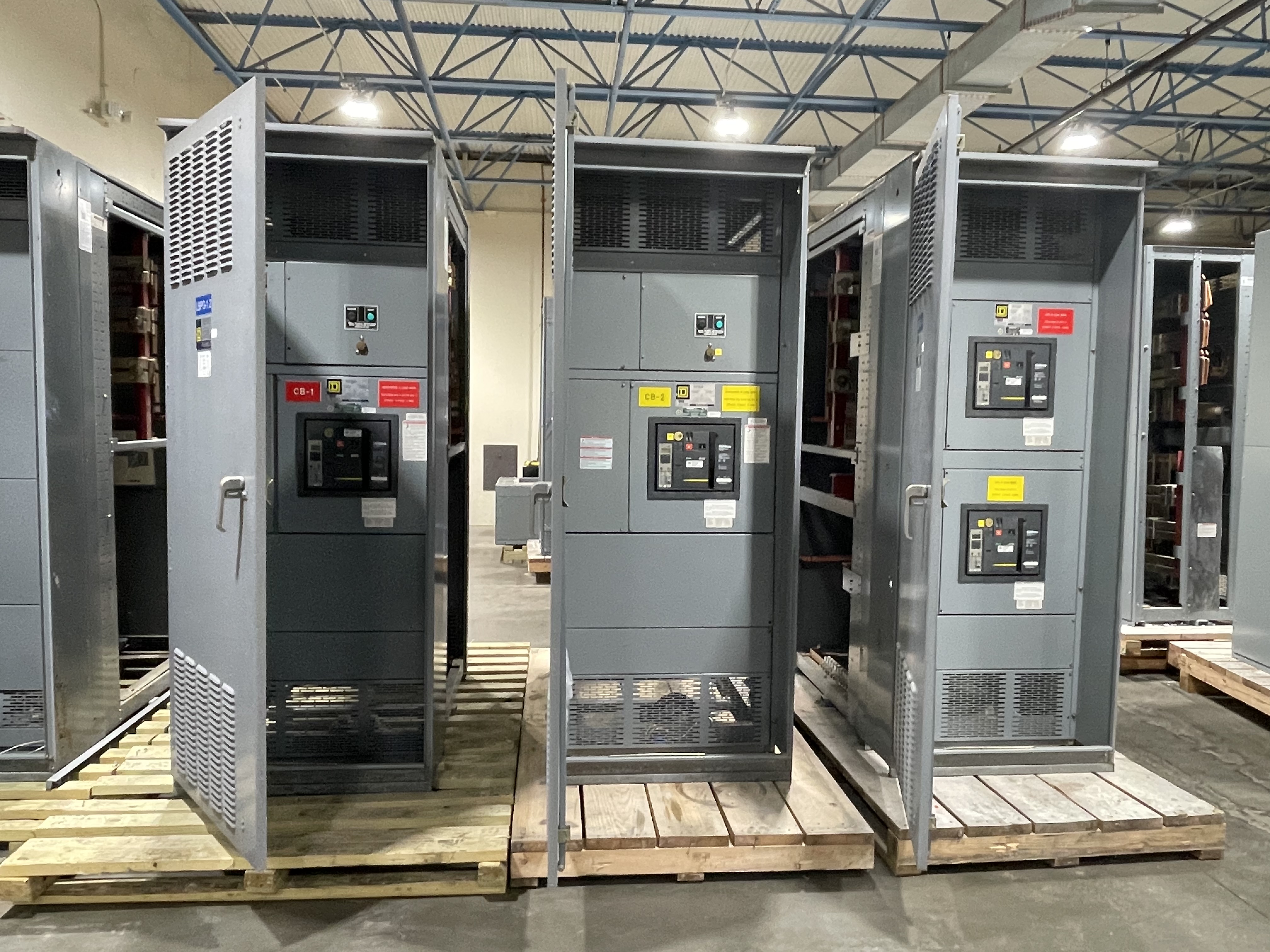
Confirm what the lease actually excludes
Read the addendum alongside the lease, inventory schedules, and any surrender or restoration clauses. Identify whether the exclusion names a complete switchgear lineup, particular sections, protective devices, or only specified electrical assets; wording can leave ownership or handback duties unclear. Check who owns each item and whether a landlord, tenant, lender, or other party must approve a transfer. Do not treat an exclusion from handback as automatic proof of transferable title or permission to remove equipment. Resolve conflicting language with the responsible parties before requesting a purchase assessment, and keep written approvals or clarifications with the transaction file.
Build an inventory from records already available
Useful starting documents may include asset registers, one-line diagrams, equipment schedules, maintenance records, prior project documents, and lease exhibits. These can help identify manufacturer and model information, section identifiers, known quantities, and recorded ratings without asking the seller to test or measure anything. Report rating values only when supported by existing records, distinguishing nominal system voltage from assembly voltage and continuous current, device frame, trip, and interrupting ratings. These values describe different characteristics and should not be substituted for one another. Mark missing, conflicting, or unreadable details as unknown rather than filling gaps with assumptions; the buyer can assess what is documented and what remains uncertain.
Define the proposed sale boundary
A purchase assessment is easier to review when the proposed scope separates included assets from items that must stay for the property handback. List identifiable switchgear sections or components using existing records, and note any lease exclusions, ownership questions, access restrictions, or third-party approvals still pending. Do not assume a buyer will accept a whole lineup, individual devices, or every associated electrical asset; each offer and acceptance is assessed individually. The buyer considers used equipment across all voltage classes and also purchases equipment from decommissioned data centers and shut-down power plants. That broad scope does not establish compatibility, condition, value, or acceptance for any particular item.
Request an assessment without seller testing
Provide the records you have and describe known access limits, timing constraints, and handback deadlines. Seller testing is not required to request an assessment, and the seller need not fabricate, stage, or prepare equipment. If helpful and permitted, send photographs only of safely accessible equipment exteriors and exterior labels or nameplates, taken from site-authorized safe positions. Never open a cabinet or take internal photographs. Do not approach, touch, open, operate, test, disconnect, remove, or move equipment that is energized or potentially energized. Any electrical work must be performed only by qualified, authorized personnel under site rules; a purchase inquiry is not authorization to carry out electrical work.
Set payment and removal terms in writing
The buyer makes cash offers and pays upfront for an agreed purchase. For the purchased gear, the buyer covers necessary disconnects and rigging, crane support, loading, hauling and freight, so the seller does not hire or pay a crew for those removal activities. Confirm in writing which assets are included, required approvals, the payment arrangement, access conditions, and the division of responsibilities before scheduling work. Scope and timing depend on the individual assessment and agreement; neither a particular offer nor a removal date is guaranteed. These terms do not include unrelated demolition or hazardous-material remediation.
Coordinate a controlled handover
Before any agreed removal, coordinate the schedule with the property owner, site contact, and authorized personnel responsible for access and safety. Establish how the approved scope will be identified and how removal timing will fit lease handback obligations. The seller should not perform disconnects, arrange lifting, or move equipment as a condition of requesting an assessment. All electrical work and any access to potentially energized equipment must remain under qualified, authorized personnel and site rules. If ownership, exclusions, access, or equipment identity cannot be resolved, pause the proposed transfer until the appropriate parties clarify them. A buyer can assess documented equipment, but acceptance and logistics require an individual agreement.