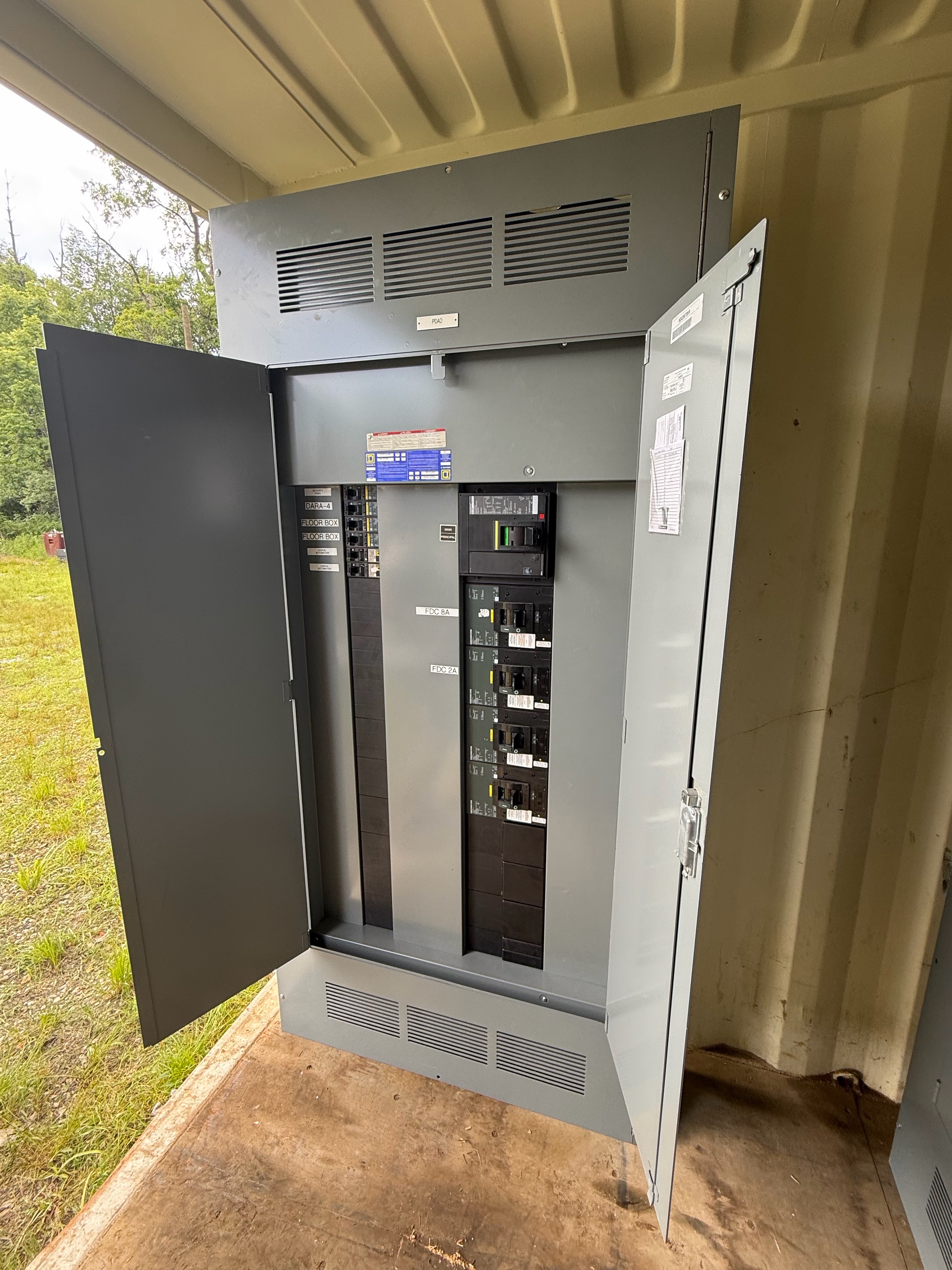
Define the MCC lot before discussing an offer
Start with a boundary around the equipment being considered, rather than treating the plant’s electrical room as one sale lot. For example, a group might include two MCC sections, their installed buckets and separately stored spare buckets, while excluding a neighboring distribution panel and field motors. Record section and bucket identifiers, counts, and the room or storage area where each item is located. If drawings or asset records use different names, note both labels and flag the discrepancy. This prevents a spare bucket from being counted as installed equipment—or a retained asset from being included by assumption. The owner or authorized seller should confirm the proposed sale boundary before evaluation.
Separate included controls from other plant assets
Associated controls can be easy to overlook when they are mounted beside, wired to, or stored with an MCC. List items such as control stations, relays, drives, panels or loose components only when they are actually part of the offered group; do not assume a connected device transfers with the MCC. A shutdown plan may retain a control panel for another process or include a separately stored control assembly with the MCC lot. Use asset records and safely accessible exterior labels to describe what is included, excluded or uncertain. This inventory-level distinction lets a buyer assess a coherent group without implying that adjacent switchgear, cabling, motors or other plant assets are included.
Describe configuration without conflating ratings
For each section or bucket, capture the maker and any safely visible identification, then distinguish assembly, breaker, bus, frame and trip information where records provide it. These are different identifiers and ratings; a breaker’s frame or trip information does not by itself establish the MCC assembly’s nominal voltage or bus rating. Do not infer compatibility from appearance or assume a spare bucket fits another section. If nameplate information is obscured, unavailable or inconsistent with drawings, report that limitation rather than trying to uncover it. Safe photographs may show exterior nameplates and equipment from authorized safe positions only. No one should approach, open or handle equipment to improve documentation; qualified personnel follow site rules for electrical work.
Plan disconnect and rigging responsibilities
Decommissioning an MCC is not simply a matter of loading cabinets. Before any removal plan, identify the boundary between electrical disconnection and material handling, and establish who has authority to approve each task. Disconnects and other electrical work must be performed by qualified, authorized personnel under the plant’s site rules; sellers need not test or prepare the equipment for sale. If the offer proceeds, the buyer can cover crane, rigging, loading, freight and hauling, with the work coordinated around approved access and site requirements. Clarify which party controls permits, work windows and area access. Do not treat this equipment purchase as a commitment to demolish unrelated structures or address hazardous materials.
Make condition records useful without seller testing
Evaluation can begin with records the owner already holds: an inventory, equipment schedule, shutdown documentation, available maintenance history and a count of loose spare buckets or controls. Note known missing parts, visible exterior damage or discrepancies, but do not energize, open, test, disconnect or move equipment to investigate. Seller testing is not required. If condition is unknown, say so; if a component is recorded as removed, identify it as absent rather than implying it remains in the lot. This is especially useful where one section is complete and another has been partly stripped. The buyer assesses each asset group individually, and documentation supports that review without guaranteeing acceptance, price or a particular outcome.
Request an offer with a clear payment and scope basis
A useful inquiry identifies the owner or authorized seller, plant shutdown status, MCC sections and spare-bucket quantities, associated controls, exclusions, available records and safe access constraints. State whether voltage information comes from records or safely accessible exterior nameplates; buyers consider equipment across all voltage classes, but no label alone guarantees compatibility or acceptance. Ask for a cash offer and confirm that payment is upfront if the assets are accepted under agreed terms. Freight and hauling arrangements should be discussed alongside crane, rigging, disconnects and loading responsibilities, not assumed from a photograph. The buyer’s assessment is individual, so a complete scope and candid unknowns are more useful than unsupported condition claims or expectations of a fixed result.
DECOMMISSIONING / THE COMPLETE SERVICE
From shut-down site to paid seller.
We buy electrical switchgear from decommissioned data centers and shut-down power plants. We handle all rigging and logistics: crane, rigging, disconnects, loading, freight and hauling are on us. Qualified personnel handle electrical disconnects and isolation according to site safety procedures. The seller does nothing but get paid.
We make cash offers, pay upfront, require no testing from the seller, and buy all voltage classes. Share the site and equipment details you know; photos are helpful only when they can be taken safely. Never open or touch energized equipment or disturb a live installation.