Identify the equipment by records, not appearance
Replacement projects may leave older and newer switchboards side by side, and similar enclosures do not establish which assembly is being retired. Start an assessment with existing asset registers, approved one-line diagrams, panel or switchboard schedules, and project turnover records, if available. Identify each candidate using recorded location and designation, while keeping nominal system voltage, assembly voltage, continuous-current rating, device frame, trip setting or rating, and interrupting rating distinct. Include a value only when records support it; mark gaps unknown. The buyer considers used and surplus electrical equipment across all voltage classes, but does not infer suitability from labels alone.
Release by phase, with boundaries confirmed
A staged replacement can produce separate handover windows for equipment removed from service at different times. A list can show the proposed release phase, asset identifier, and whether the item is excluded, pending review, or offered for assessment. Those labels are planning information, not proof of electrical status. Do not assume a redundant path is inactive because a newer switchboard is installed or because a project calls an assembly “old.” Only qualified, authorized personnel may perform electrical work under site rules. The buyer will not direct site switching, determine isolation, or treat a proposed date as guaranteed acceptance or pickup timing.
Protect confidential equipment information
Equipment lists may expose room names, power architecture, security details, or operational dependencies. Share only information approved for external review, and use the facility’s authorized channel and access controls. A coded asset ID can support an initial discussion; disclose cross-references or detailed diagrams only when the responsible site contact permits it. Existing records are useful for distinguishing candidate assets, but a buyer does not need the seller to create drawings, measure gear, or assemble a new technical package. Remove unrelated sensitive content where permitted, while retaining enough approved context to avoid confusing one switchboard with another.
Separate known facts from open questions
For each proposed item, note what records actually establish: identification, recorded ratings, ownership or release authority, and the anticipated phase. List unknowns separately, including undocumented modifications, completeness, condition, or whether components remain with the assembly. Do not fill gaps by inference from a neighboring unit or a photograph. No seller testing, measurements, staging, fabrication, or operational demonstration is required to request an assessment. If records conflict, flag the conflict for the authorized site representative to resolve through normal procedures. An offer and acceptance are assessed individually; an inquiry does not oblige either party to proceed.
Set clear exclusions and scope
Define the candidate equipment and any excluded items by recorded identifiers, such as replacement assemblies, retained sections, accessories, or material reserved for the project, where records support those distinctions. This helps prevent a phased purchase discussion from being mistaken for transfer of an entire electrical room. The buyer may make a cash offer for equipment accepted under an individually agreed purchase and pays upfront for that agreed purchase. No particular asset is guaranteed acceptance, and no price or schedule is assured. The purchase assessment does not include unrelated demolition, building work, or hazardous-material remediation.
Arrange a controlled handover
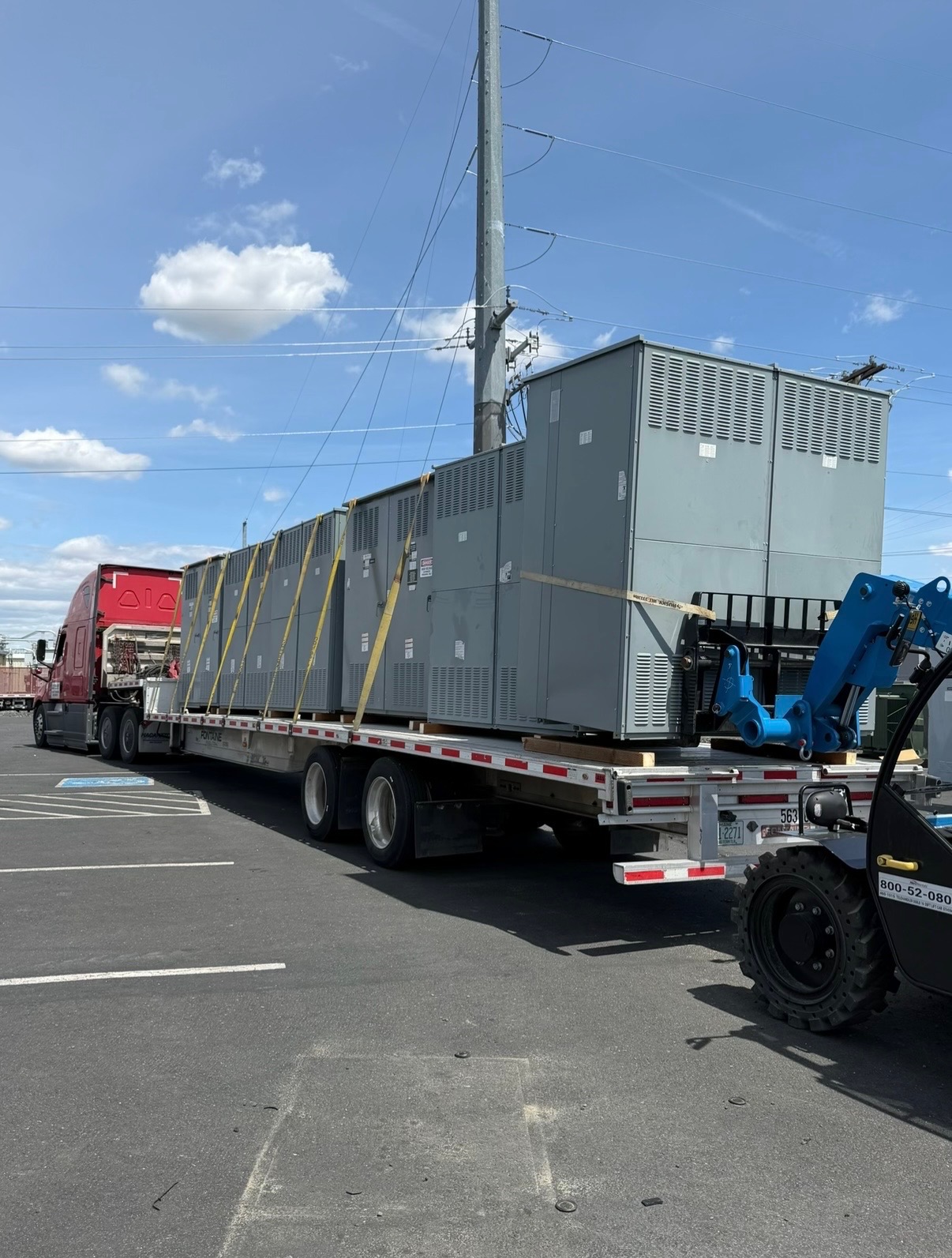
When a phase is purchased by agreement, the buyer funds the necessary disconnects, crane and rigging as well as loading, hauling and freight. The seller does not hire or pay a removal crew. Confirm access windows, escort requirements, loading constraints, and coordination with the replacement schedule through authorized site contacts before setting logistics. Electrical work and any site-controlled isolation or disconnection must be performed only by qualified, authorized personnel under site rules. Never approach, touch, open, operate, test, disconnect, remove, or move energized or potentially energized equipment. A planned release date is not a promise of pickup timing.
Use exterior photos only when authorized
Photos are optional and should show only safely accessible equipment exteriors and exterior labels or nameplates, taken from positions the site authorizes as safe. Do not open a cabinet, remove a cover, enter a restricted area, or take interior photographs. Never approach or handle energized or potentially energized equipment to obtain an image; if a label cannot be safely seen, rely on existing records or leave the detail unknown. Exterior images can help distinguish a listed asset but cannot establish condition, isolation, ratings not legible in approved records, or readiness for removal. Georgia inquiries can describe phased availability without exposing protected site information.
DECOMMISSIONING / THE COMPLETE SERVICE
From shut-down site to paid seller.
We buy electrical switchgear from decommissioned data centers and shut-down power plants. We handle all rigging and logistics: crane, rigging, disconnects, loading, freight and hauling are on us. Qualified personnel handle electrical disconnects and isolation according to site safety procedures. The seller does nothing but get paid.
We make cash offers, pay upfront, require no testing from the seller, and buy all voltage classes. Share the site and equipment details you know; photos are helpful only when they can be taken safely. Never open or touch energized equipment or disturb a live installation.