Start with the site’s lift-planning record
Before discussing a proposed pickup, identify who controls the work area and which site contact can explain access and permit requirements. Existing lift plans, contractor notes, site maps or work permits may reveal restrictions, but they are not a substitute for a current review by qualified crane and rigging specialists. Share copies only when authorized, and flag whether records are preliminary, outdated or tied to another scope. Do not infer that a previous lift method applies to different equipment or conditions. The specialist responsible for the work selects and approves the method.
Document overhead constraints without approaching equipment
Power lines, building projections, pipe racks, lighting, trees and other overhead features may affect a crane plan. Provide known information from approved site drawings or observations made from authorized safe locations; do not approach equipment or enter a restricted area to check clearances. If a drawing is incomplete, say so plainly rather than estimating. A qualified lift planner must assess relevant clearances and controls under applicable requirements and site rules. Never treat a photograph or old plan as proof that an area is clear, safe, or suitable for a lift.
Describe access and ground conditions as known
Useful records can include approved delivery routes, gate restrictions, hours, escort requirements, turning limitations, surface restrictions and designated staging boundaries. Note who supplied the information and whether it is confirmed or subject to site approval. Do not ask site staff to measure, clear, stage or alter a route for a purchase inquiry. Crane placement, ground capacity, reach and setup feasibility are specialist decisions, not assumptions a seller or buyer should make from a map. Any required access review must be coordinated with the site’s authorized representatives and the qualified contractor.
Keep equipment identity separate from lift assumptions
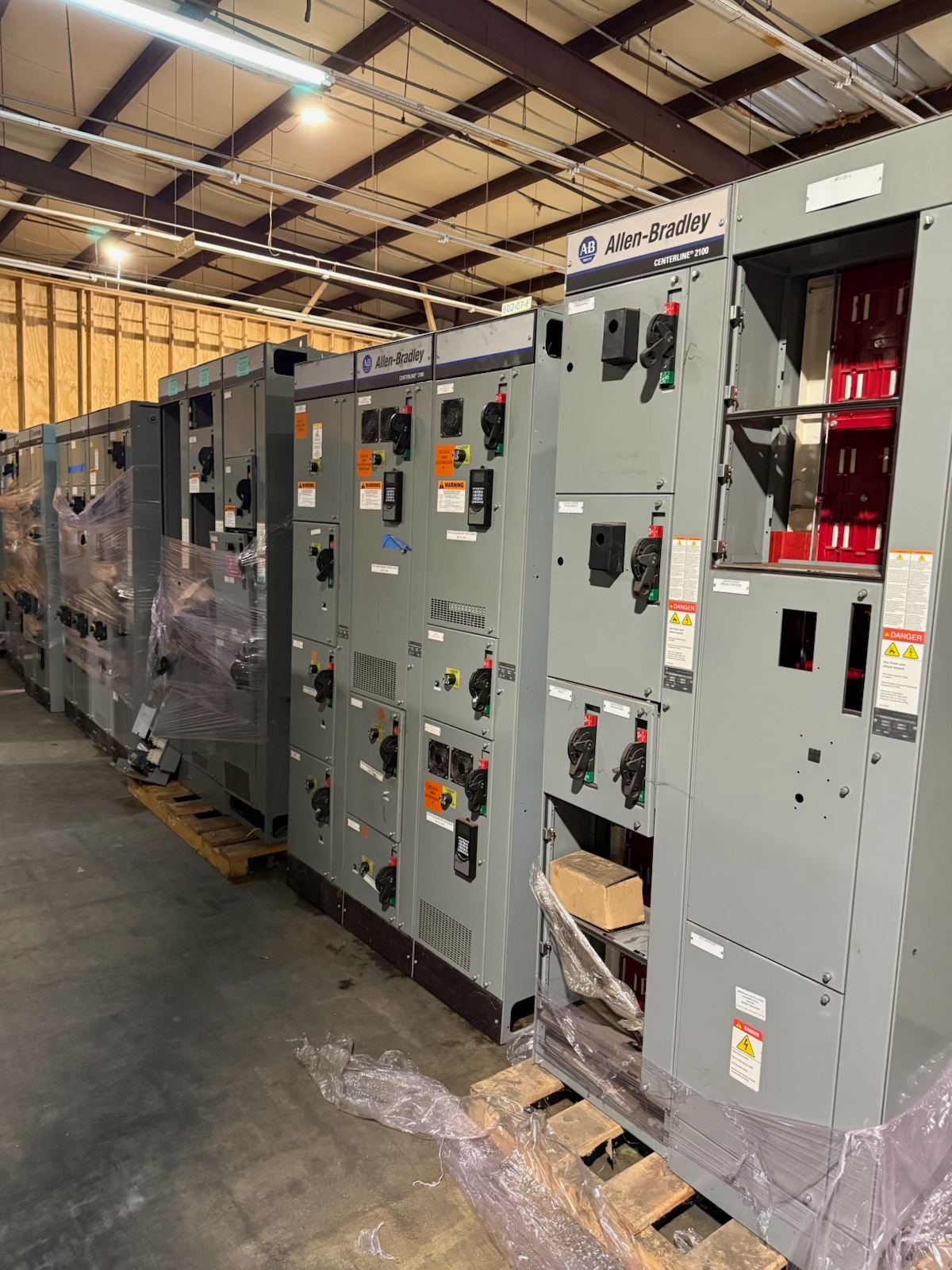
Existing inventories, drawings, nameplates and maintenance records may help identify an asset for purchase assessment. Ratings must remain distinct: nominal system voltage, assembly voltage, continuous-current rating, device frame, trip setting and interrupting rating describe different things and should be reported only when supported by records. An equipment rating does not establish its weight, lifting points, condition or removal method. Do not test or inspect equipment to fill gaps. Photos may show only safely accessible exteriors and exterior labels or nameplates, taken from site-authorized safe positions; never open a cabinet or photograph its interior.
Agree on responsibilities before a purchase
We make cash offers and pay upfront for purchases that are agreed, but every asset and acceptance is assessed individually; no price or schedule is guaranteed. For an agreed purchase, the buyer covers necessary crane, rigging, disconnects, loading, freight and hauling as arranged for that scope. The seller does not hire or pay a removal crew. This is not a promise to accept every asset, perform unrelated demolition or remediate hazardous materials. Clarify the equipment included, site approvals, access conditions and any exclusions in the written agreement before work is scheduled.
Make safe handover the first condition
Electrical work, including any required isolation or disconnect, must be performed only by qualified, authorized personnel under site rules. Never approach, touch, open, operate, test, disconnect, remove or move energized or potentially energized equipment. A seller need not test equipment or prepare it for a request for assessment. Instead, share available records and identify the site contact who can coordinate authorized work if a purchase is agreed. The responsible site and contractor personnel determine safe status and work sequencing; a buyer’s commercial assessment does not authorize electrical or lifting work.
Build a practical coordination checklist
For an initial discussion, gather only information already available and authorized to share: asset identification, record source, known permit or escort conditions, access notes, overhead-obstruction documentation, and the appropriate site contact. Mark unknowns clearly so a qualified crane and rigging specialist can review them later. Do not promise a lift date before permits, access, scope and specialist planning are resolved. If the site is a decommissioned data center or shut-down power plant, the same rules apply: site-specific controls govern, and any purchase and handover remain subject to individual assessment and agreement.