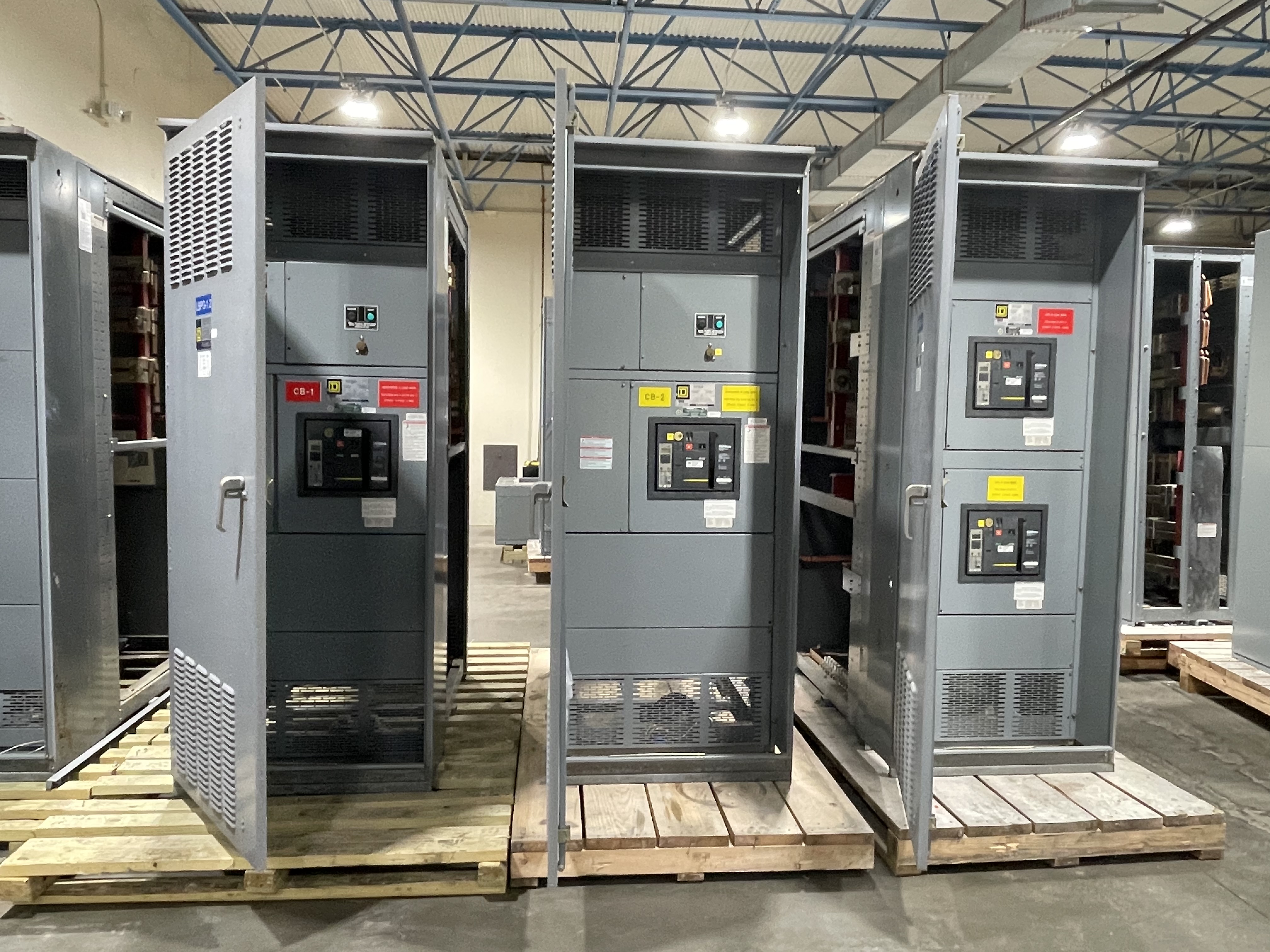
Confirm the route before agreeing to a date
A corridor that appears clear may still be a controlled egress route, shared loading path, or access point for another tenant. Ask the appropriate site contact to identify approval authority, permitted hours, access restrictions, and any required notices. Share a proposed route for review rather than assuming a direct path is available. The buyer can consider those constraints when assessing a possible purchase and logistics plan. No removal time is guaranteed: a date should be documented only after relevant parties approve access and the purchase arrangement is agreed.
Map responsibilities without shifting removal to the seller
Write down who approves corridor use, arranges building access, coordinates security, and confirms a workable schedule. When a purchase is agreed, the buyer covers the necessary disconnects, crane and rigging services, freight, loading and hauling. The seller does not hire or pay a removal crew and should not be asked to move or stage the switchgear. This division does not authorize work outside the agreed scope or override site controls. Clarify any building-required escort or access procedure in advance, while leaving electrical tasks to qualified, authorized personnel operating under site rules.
Protect tenants and property that stay in place
Discuss how the approved route can protect retained doors, walls, flooring, fixtures, neighboring equipment, and tenant property. Site representatives can identify sensitive areas, occupancy periods, access limits, and any required protection or supervision for the buyer’s planned work. Record the agreed route and the property boundaries relevant to it; do not assume corridor clearance includes permission to use adjoining rooms or storage. The buyer can assess practical logistics, but an equipment purchase is not a promise of building repairs, demolition, or hazardous-material remediation. Resolve exclusions before accepting an offer.
Use records to identify what may be purchased
Existing equipment schedules, asset lists, drawings, and exterior nameplate records can help identify the offered asset and distinguish it from retained gear. Where available, describe recorded ratings with their labels intact: nominal system voltage, switchgear assembly voltage, continuous current, device frame, trip, and interrupting ratings are different values, not interchangeable descriptions. The buyer purchases used, surplus, and decommissioned equipment across all voltage classes, including equipment from decommissioned data centers and shut-down power plants. Records support assessment but do not guarantee acceptance, compatibility, condition, or a particular price.
Make a safe, limited information handover
To request an assessment, provide the information already available, the asset’s general location, access constraints, and who can approve a corridor route. Optional pictures must be taken from positions the site authorizes as safe, and must show only accessible equipment exteriors or exterior labels and nameplates. Keep cabinets closed and never photograph inside. Leave energized or potentially energized equipment alone: do not approach, touch, open, operate, test, disconnect, remove or move it. No seller testing is required. If safe exterior access is unavailable, rely on existing records and have the site identify an authorized contact instead.
Document timing and conditions in writing
A written plan can identify approval dependencies, the authorized access window, corridor route, tenant notifications, site contacts, and the agreed scope of removal. Note what happens if access is unavailable or building operations change, and who must confirm a revised schedule. Keep the plan consistent with site procedures and the purchase agreement; do not treat a tentative route discussion as permission to begin work. The buyer makes cash offers and pays upfront for agreed purchases. Offers and acceptance are assessed individually; neither an offer amount nor a removal date is guaranteed.
Set a clear handover boundary
Before handover, confirm that the equipment included in the agreement is identifiable from available records and that required building approvals for the route have been addressed. The buyer covers necessary removal logistics under an agreed purchase; the seller is not responsible for hiring or paying a crew. Any electrical work must be performed only by qualified, authorized personnel under site rules. Do not ask the seller to disconnect or prepare equipment. A purchase assessment does not commit the buyer to accept every asset, clear unrelated property, perform demolition, or remediate hazardous materials.