Separate the roof scope from the equipment transaction
Roof repair can involve access restrictions, overhead work, temporary protection and changing site conditions. A possible switchgear sale is a separate commercial decision; it does not make the buyer responsible for roof repair, building work or general site clearance. Before discussing timing, identify the site contact for roof work, the person authorized to discuss the equipment, and any site representative who controls access. These roles may belong to different teams or contractors. Describe proposed work areas and anticipated schedule windows at a planning level, without directing anyone to approach or handle electrical equipment. A purchase assessment does not establish permission to enter restricted areas or change another contractor’s scope.
Coordinate schedules without selecting a lift method
Crane activity near an equipment room may need to fit around roofing work, site access controls and other scheduled operations. The buyer and site representatives can discuss practical timing, access requirements and responsibility boundaries if a purchase is agreed, but the appropriate lift plan and equipment are not chosen through a general buyer article. Do not treat a roof contractor’s schedule as approval for equipment removal, or assume proposed crane activity is included in that contractor’s agreement. Confirm who authorizes site access and who coordinates any work interfaces. All electrical work must be performed by qualified, authorized personnel under site rules; a seller should not disconnect or prepare equipment for a proposed lift.
Make weather contingencies explicit
Roof work and crane activity can both be affected by weather, but their acceptable conditions and decisions are determined by the responsible site and work teams. Discuss how schedule changes will be communicated, who can pause or reschedule site activity, and whether access routes or work areas may change. Rain, wind, lightning or other conditions may alter plans; do not assume a planned date remains suitable or that one contractor’s decision governs another scope. Any purchase timing is individually assessed, not guaranteed. If weather delays a proposed handover, keep equipment undisturbed and follow site controls. No one should approach, touch, operate, test, disconnect, remove or move energized or potentially energized equipment.
Use existing records and keep unknowns visible
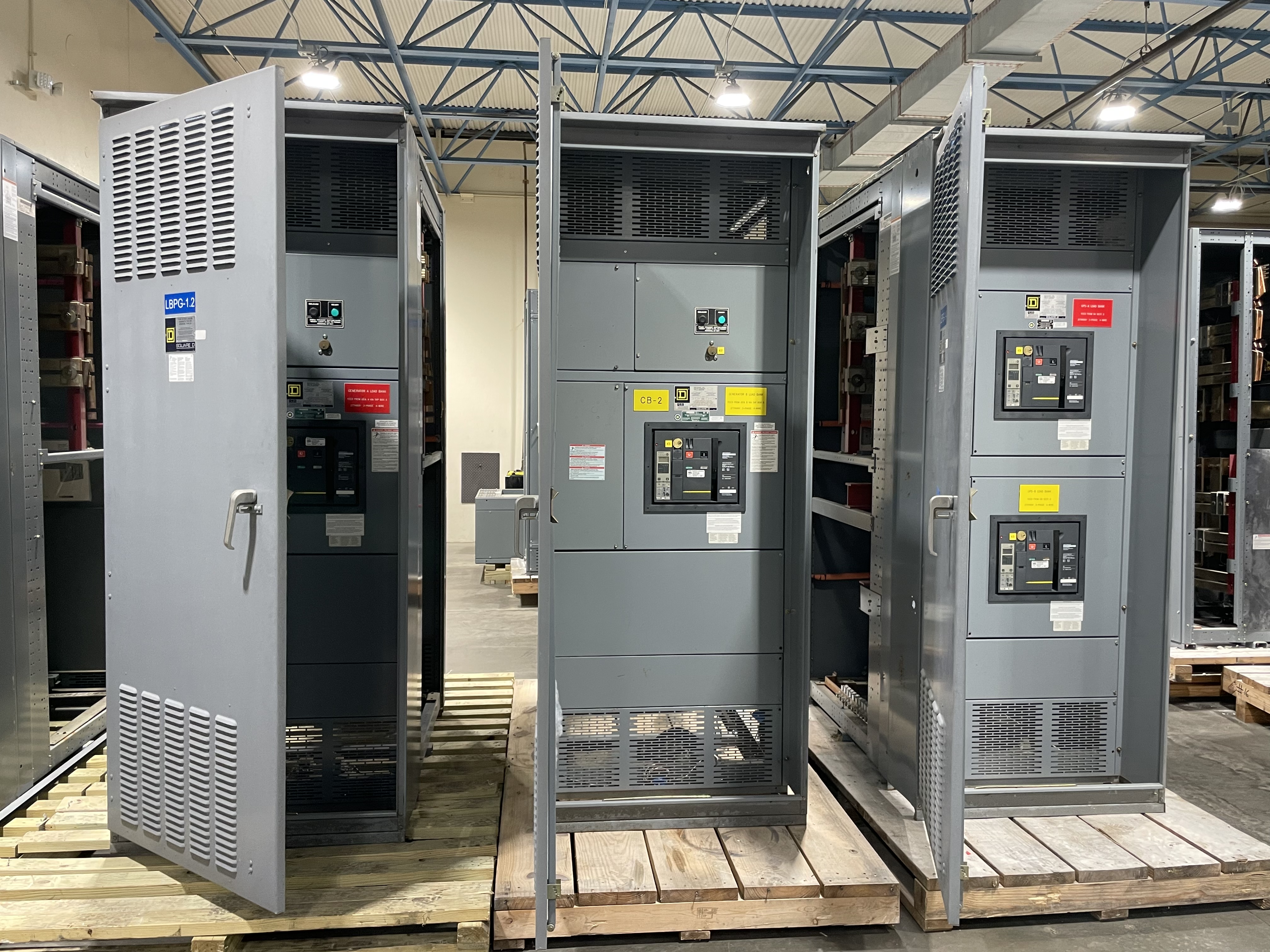
Existing asset lists, prior project records, available exterior nameplate information and site documentation may help a buyer assess whether equipment is of interest. Report ratings only when supported by records, and keep nominal system voltage distinct from assembly voltage, continuous current, device frame, trip rating and interrupting rating. These are not interchangeable. Missing, unclear or conflicting information can remain an open question; do not arrange seller testing, measuring, fabrication or staging to fill gaps. If photographs help, provide only images of safely accessible equipment exteriors and exterior labels or nameplates, taken from site-authorized safe positions. Never open a cabinet, take internal photographs or approach equipment to obtain a better image.
Define removal responsibilities only after agreement
A buyer may consider used, surplus or decommissioned electrical equipment across all voltage classes, including equipment from decommissioned data centers and shut-down power plants. Interest is not an assurance that any particular asset will be accepted. If both parties agree on a purchase, the buyer covers necessary crane, rigging, disconnects, loading, freight and hauling under that agreed purchase; the seller does not hire or pay a removal crew. Qualified, authorized personnel must perform electrical work under site rules. Confirm agreed scope and access arrangements before any work is scheduled. The buyer does not thereby undertake unrelated demolition, roof repairs or hazardous-material remediation.
Plan a safe, documented handover
For an agreed purchase, establish a handover contact, required site approvals, access windows and the communication path for schedule changes. Keep roofing and equipment-related responsibilities distinct, and confirm which party controls each work area under site rules. The buyer makes cash offers and pays upfront for agreed purchases; offers and acceptance are individually assessed, with no guaranteed price or timing. Payment terms and the agreed equipment scope should be clear before handover arrangements proceed. Until authorized personnel establish that equipment is safe for the relevant work, leave it undisturbed and follow site restrictions. A seller is not asked to test, disconnect, prepare, stage or move equipment to request a purchase assessment.