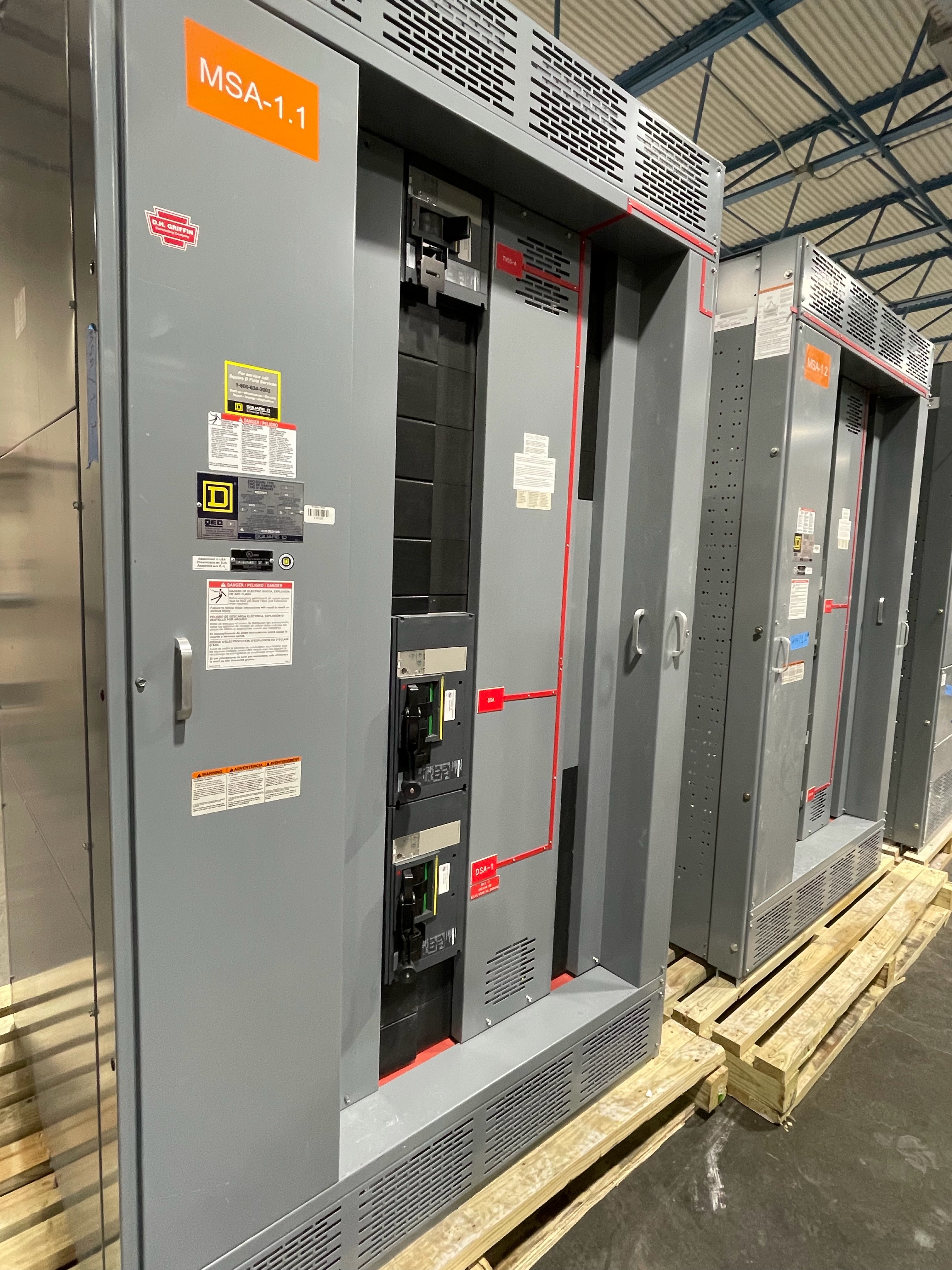
Set the boundary around what stays
Begin by identifying the exact assemblies proposed for removal and the equipment intended to remain. A lineup that looks continuous from outside may include shared structures, connections or access constraints that cannot be judged by appearance alone. Ask the site’s responsible electrical authority to document the proposed boundary, the retained equipment, and the conditions required before release. Do not approach, open, touch or photograph energized equipment at close range; exterior images are appropriate only when safely visible from an authorized position. If the boundary is uncertain, pause the transaction discussion rather than treating visual separation as proof.
Make release a site-controlled decision
Release is not a buyer’s assumption or a rigging crew’s determination. The facility controls access and establishes the permitted work area under its procedures; qualified, authorized electrical workers perform and verify the electrical work required for that site. Ask who has authority to approve the boundary, what release documentation the facility can provide, and how the status will be communicated before any removal activity. If retained distribution must stay operational, the site should define how the work zone is separated from it. No one should approach or touch energized gear to establish that separation.
Distinguish the equipment being valued
Inventory descriptions should distinguish a complete switchgear assembly from individual breakers or other components, and record what is included without implying compatibility. Where known from existing records, note assembly identification, breaker identity, frame and trip information, nominal voltage, and applicable ratings as separate fields; they are not interchangeable. Do not open equipment or perform testing to fill gaps. The buyer can review available records and safely visible exterior nameplates, with each asset assessed individually. This specificity helps clarify whether the proposed sale concerns a lineup section, separate apparatus, or an incomplete assembly whose condition and scope remain uncertain.
Choose removal scope without shifting site duties
Removal scope should follow the verified boundary, not a desired truckload or assumed module size. For example, if records identify one section but the site cannot confirm its separation from retained distribution, a smaller scope or delayed release may be safer to evaluate than removal of the whole lineup. Qualified electrical workers handle required electrical disconnects under site rules; riggers do not substitute for that expertise. For an agreed purchase, the buyer covers applicable disconnects, crane, rigging, loading, freight and hauling. The seller is not required to hire or pay a removal crew, and no unrelated demolition is implied.
Plan rigging around the retained lineup
Once the site has authorized release and defined access, professional riggers can assess the approved lift and movement path. Their plan should account for the identified equipment, available clearances, load handling and the protection of retained assets, based on conditions they are authorized to inspect. Keep the live-equipment boundary under facility control; rigging personnel must not approach or touch energized gear. Ask who coordinates access, who confirms the work area is released, and what equipment the site requires to remain undisturbed. If the path or separation is not accepted by site authorities, defer movement rather than improvising around active distribution.
Share useful records without preparing the gear
A seller can help evaluate an asset by sharing ownership or sale authority, an inventory, existing drawings or records, and exterior photographs of nameplates safely visible from an authorized position. No seller testing or preparation is required, and missing records should be identified plainly instead of guessed at. The buyer considers all voltage classes, but that does not mean every item will be accepted; scope, available information and the individual asset inform an offer. Avoid arranging access that would put anyone near energized equipment for better photographs. Ask the buyer what documentation would help clarify the proposed inventory before discussing removal details.
Align the purchase with the approved work window
When the boundary, scope and site release process are understood, the buyer can assess the equipment and make an individual cash offer. Payment is upfront for an agreed purchase; acceptance, price and timing are not guaranteed. Confirm in writing which assets are included, which removal services apply, who the site’s authorized contacts are, and what conditions must be met before access or movement. This is especially useful when retained distribution constrains scheduling: the purchase discussion should not override the facility’s release decision. If the site cannot authorize a safe work area, hold the removal plan until it can.